
Challenging Situation: City Looking To Improve Properties Recently Acquired From County
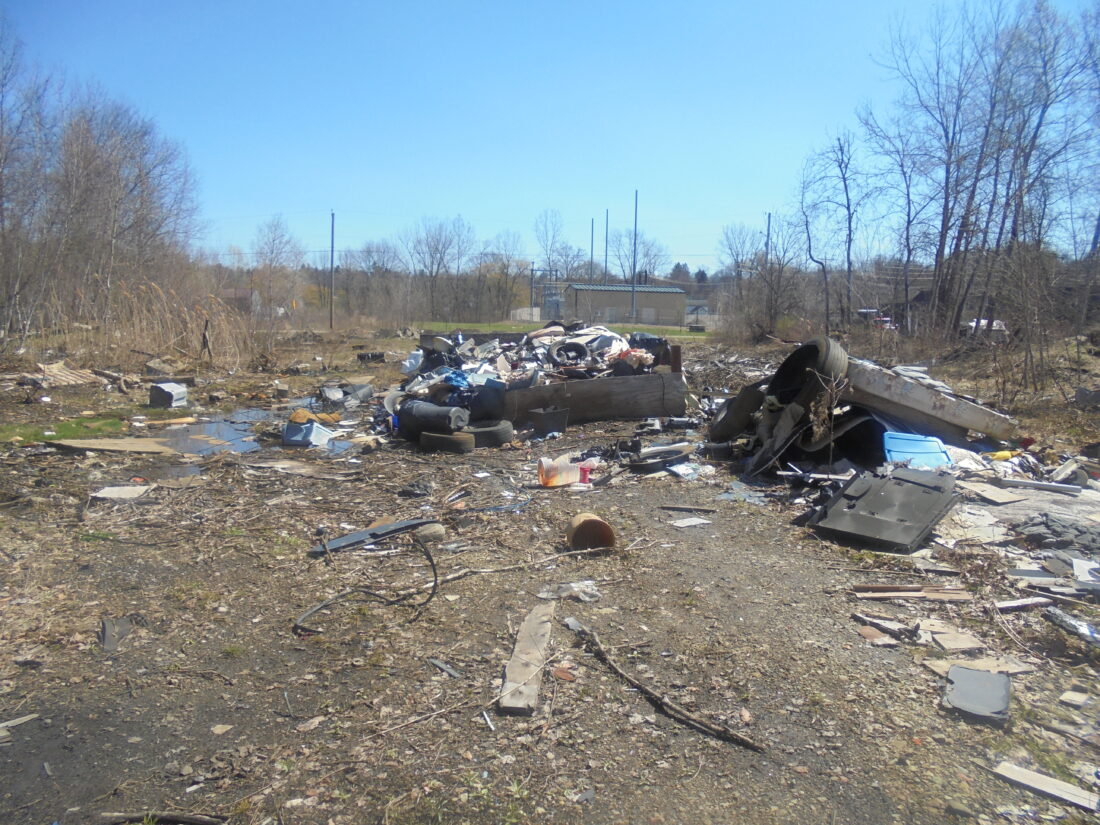
Multiple properties, including some such as the one pictured, have been acquired by the city of Jamestown for clean up and public safety reasons, following repeated code violations by former owner Kristie White. P-J photos by Sara Holthouse
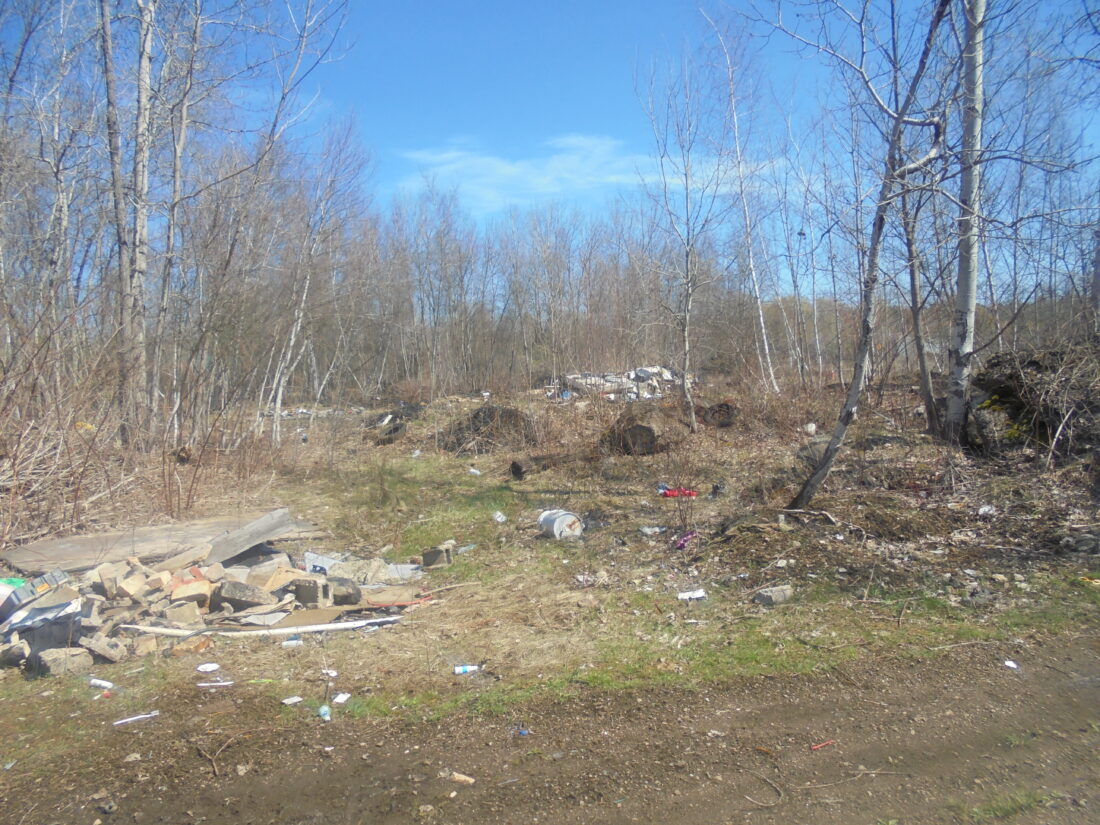
Some of the sites were included in the clean up as a part of the city’s 2024 State of Emergency, and have since returned to the state they were in before that.
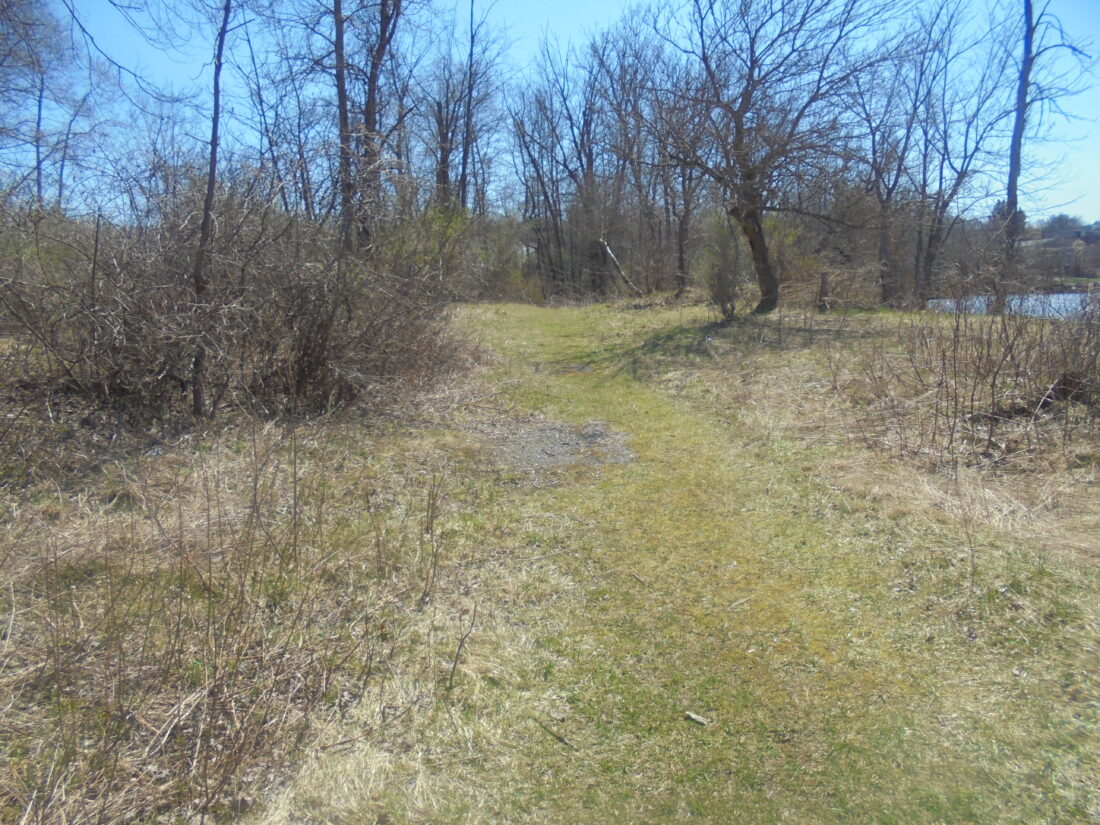
There are 12 properties in all, including the one pictured next to the Chadakoin River.
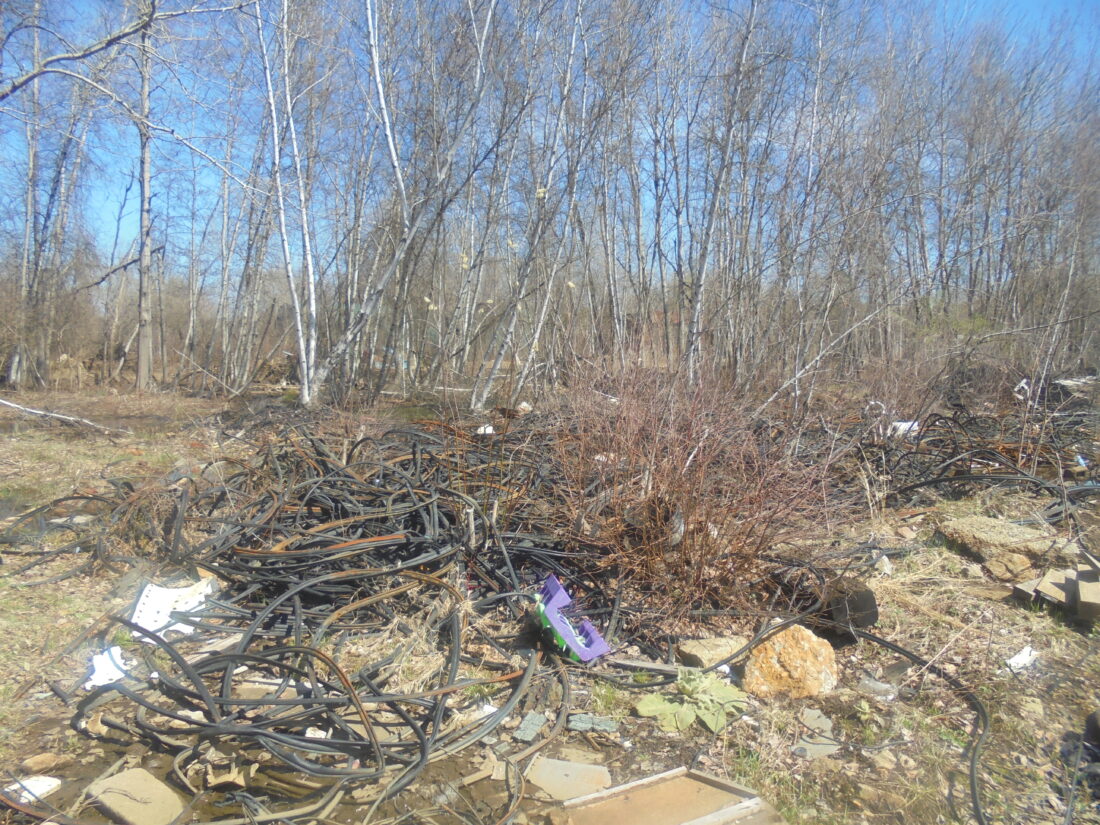
The sites include some along the Chadakoin River and Riverwalk have become sites for junk and debris dumping, including for things such as the pile of stripped wires pictured.
Multiple properties, including some such as the one pictured, have been acquired by the city of Jamestown for clean up and public safety reasons, following repeated code violations by former owner Kristie White. P-J photos by Sara Holthouse
Some of the sites were included in the clean up as a part of the city’s 2024 State of Emergency, and have since returned to the state they were in before that.
There are 12 properties in all, including the one pictured next to the Chadakoin River.
The sites include some along the Chadakoin River and Riverwalk have become sites for junk and debris dumping, including for things such as the pile of stripped wires pictured.
Trending
Twelve properties in the city of Jamestown, formerly foreclosed upon by Chautauqua County, have recently been acquired by the city. Now, the city is looking to the future with plans to clean up and improve the properties, especially those located along the Chadakoin Riverwalk.
City officials told The Post-Journal that acquisition of these properties was driven by ongoing public safety, environmental and community concerns, and it has been a multiple year process. Over the years the parcels, owned by Kristie White, have been the site of repeated code violations, illegal dumping and unsafe structures. They have also been creating risks to residents, surrounding neighborhoods and the Chadakoin River. Parcels are located within both residential and commercial corridors, adjacent to Jackson-Taylor Park, and across multiple locations in the Chadakoin Ward, which officials say make these properties have amplified and broader community impacts.
"Despite sustained, good-faith efforts to work with the property owner, Kristie White, compliance was not achieved," city officials said. "As conditions persisted, the city determined that acquisition was necessary to protect public health, stabilize neighborhoods, and improve overall quality of life. Ownership enables the city to proactively manage, secure, and maintain the properties, address concerns efficiently, and implement long-term solutions. It also positions these sites to support broader community priorities, including neighborhood revitalization, enhanced Riverwalk access, and encouraging responsible private investment."
The process to address the properties belonging to White took place over multiple years, with the city conducting numerous court proceedings, repeated code enforcement actions, site inspections, and ongoing communications with White. Officials noted that all actions were carried out in strict compliance with applicable legal requirements, including the formal service of notices and documentation.
"Ms. White actively resisted compliance at every stage, contesting the legal process and delaying resolution," city officials said. "Even after the city lawfully acquired the properties, she continues to pursue legal action against the city, challenging both the outcome and the city's authority."
There are 12 parcels in total that were formerly owned by White, with a total tax delinquency of $31,331.29, over a number of years. Property addresses include; 60 West 14th Street accruing $10,183.40 in tax delinquency, two parcels on West 15th Street that accrued $810.41 in tax delinquency together, 32 West 17th Street with $10,761.85 in tax delinquency and multiple code violations since 2023, two other parcels on West 17th Street with a tax delinquency of $1,945.24, Isabella Avenue on the Chadakoin River with $201.37, two parcels on Monroe Street with $6,580.01, and three parcels on Clinton Street with a total tax delinquency of $849.01.
"At 32 West 17th Street, the court found Ms. White guilty of multiple code violations, including high grass and weeds, missing or damaged siding and trim, unlicensed vehicles, and accumulation of junk, garbage, and debris," city officials said. "She was fined $1,900, which remains unpaid. After failing to appear in court on multiple occasions despite proper service, a bench warrant was issued. This case underscores the importance of due process: the city must meticulously document unsafe conditions, demonstrate risks to public safety and the environment, and present substantiated evidence in court to secure enforcement."
Work on these properties for the city was both time-intensive and complex, officials said, and required careful navigation of legal procedures, enforcement responsibilities and public safety considerations. Officials added that every step was essential to establish accountability, ensure legal compliance, and protect the surrounding community.
Now that the city has ownership of these parcels, the plan is to undertake a comprehensive cleanup of the properties, including the removal of junk and debris or any other unsafe or unpermitted structures.
"This effort will stabilize the sites, eliminate public health and safety concerns, and prepare the parcels for productive, community-benefiting use," city officials said. "With ownership, the city has clear legal authority to manage, secure, and maintain these properties, ensuring that future issues--such as illegal dumping or unauthorized activity--can be addressed promptly, consistently, and in full compliance with the law."
The parcels are also located in areas with multiple ongoing projects and renewed private interest, so officials said the efforts to maintain these properties and to improve site conditions will reinforce ongoing positive momentum from these other projects. Efforts are set to not only improve site conditions but also strengthen neighborhood confidence and encourage responsible, high-quality investment. With properties also sitting along the Riverwalk, maintaining these sites will support safe, accessible and enjoyable public spaces, aligned with the city's long-term vision for the area, officials said.
City officials also noted that the parcels on Isabella and Monroe Streets were directly impacted and a part of the city's 2024 State of Emergency response to unauthorized homeless encampments. Officials said that while the city underwent significant costs to remove debris, hazardous materials and unsafe structures, despite these efforts, the properties were not adequately maintained by White. The lack of maintenance has returned these properties to how they were before the State of Emergency.
"This lack of oversight contributed to recurring issues, including ongoing illegal dumping, accumulation of junk and debris, and the re-establishment of unsafe, unpermitted structures for habitation," city officials said. "These conditions posed continued public health and safety risks, requiring repeated city intervention and frequent law enforcement response, which strained resources and affected neighborhood quality of life. After consistent, good-faith efforts to achieve compliance failed--and considering outstanding tax obligations--the city determined that acquisition was necessary to protect the community and ensure long-term resolution of these issues."
The effort to acquire and clean up these properties by the city is focused on public safety, preserving the environment and promoting the well-being of city residents. The city said the properties' conditions created real, ongoing risks, especially as they sit close to homes, public spaces and the Chadakoin River, and required decisive action by the city.
"The city has made meaningful progress over the past several years in addressing these complex challenges," officials said. "Residents understandably wish for faster results, and the city shares that urgency. These situations are inherently complicated, involving multiple properties, longstanding neglect, and extensive legal and regulatory frameworks. Each case requires significant time, investment, and resources--including inspections, enforcement actions, court proceedings, and formal communications--and must be handled meticulously to ensure legally enforceable and sustainable outcomes. When multiplied across the number of properties facing similar issues citywide, this necessitates careful prioritization and strategic allocation of resources to achieve the greatest impact for public safety, neighborhood stability, and community well-being."
They added that residents also need to understand that the city cannot unilaterally demand compliance or take immediate action against every negligent property owner or violation without following legal procedures. Property owners are given the opportunity to address their issues, following the principles of due process, and in each instance the city will thoroughly document property conditions, risks demonstrated to public safety and the environment, and will present substantiated evidence in court to secure enforcement. Following the legal process, which officials said is deliberate and legally grounded, ensures that all actions are "enforceable, sustainable, and protective of both the community and the integrity of the legal system."
"The city is committed to holding negligent property owners accountable, utilizing all available legal avenues, and implementing long-term solutions that protect both residents and the environment," city officials said. "These efforts extend beyond individual properties, reflecting a citywide strategy to strengthen neighborhoods, safeguard public safety, and enhance overall quality of life. By combining rigorous legal processes, strategic prioritization, and proactive property management, the city can achieve lasting, sustainable results that benefit the community and preserve its natural resources for generations to come."