For Grant Robinson, Glass Blowing Is A Passion
-
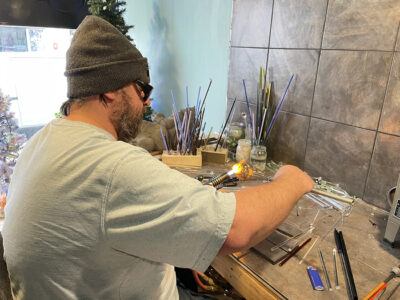
- Grant Robinson uses a tungsten claw to help hold the glass ornament. P-J photo by Michael Zabrodsky
-
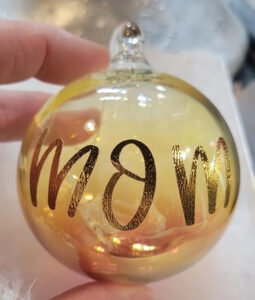
- One of several ornaments Grant Robinson creates at The Liquid Monkey, 16 E. Third St. Submitted photo
-
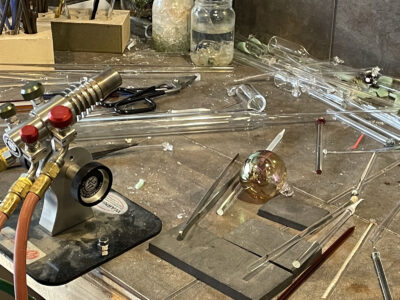
- A finished holiday ornament. Submitted photo
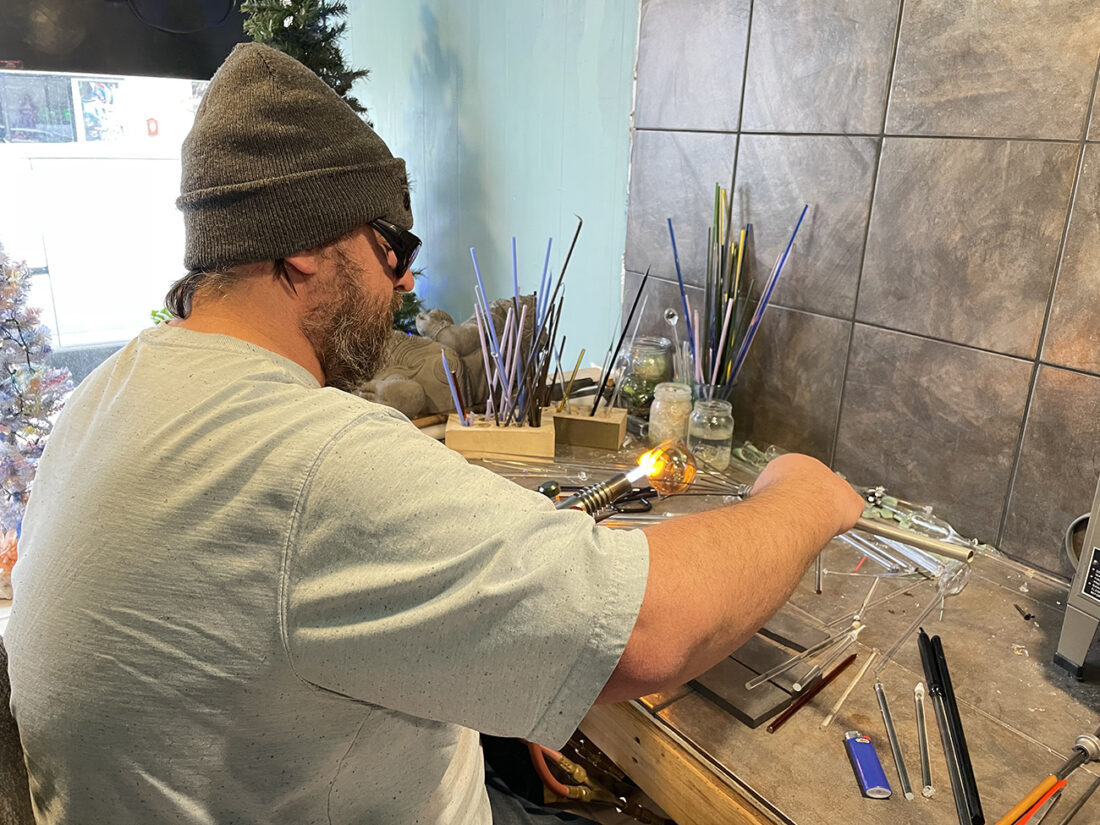
Grant Robinson uses a tungsten claw to help hold the glass ornament. P-J photo by Michael Zabrodsky
Through the window at his business on Third Street, you probably have seen him sitting at his desk.
Unless you stop to take a closer look, you may not know that he is blowing glass and making holiday ornaments and other items.
On certain days, Grant Robinson will demonstrate how he makes his ornaments, and sometimes a little crowd may gather to watch him during his creative process.
Robinson doesn’t mind.
Robinson has been blowing glass for more than 20 years. He first started as a screen printer and worked in Eugene, Ore., for companies like Columbia Outfitters and Adidas, but was taken in by the designs of blown glass. Then, he made a decision to change vocations and went to work for Eugen Glass Alliance. He worked for EGA for about 10 years.
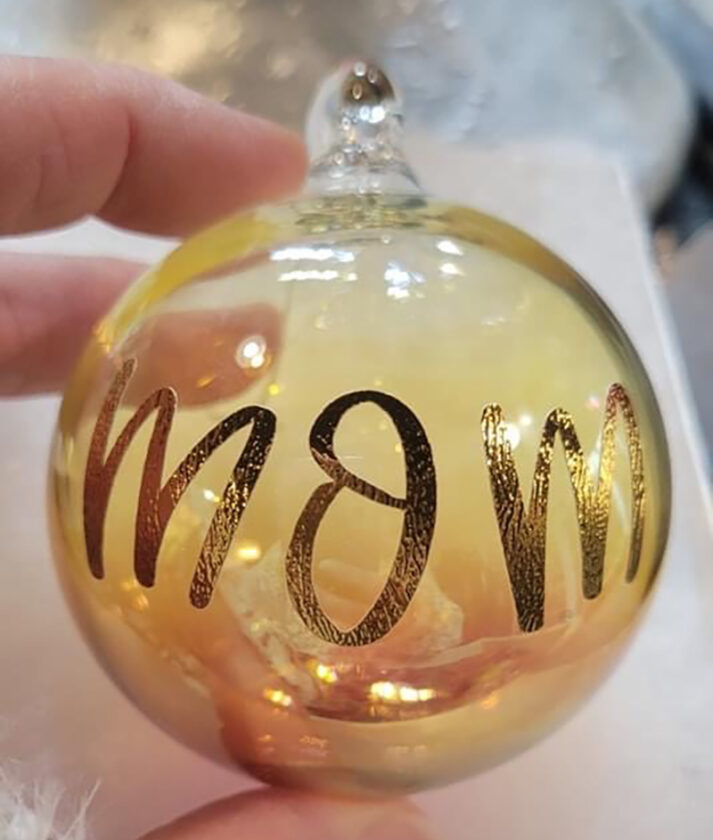
One of several ornaments Grant Robinson creates at The Liquid Monkey, 16 E. Third St. Submitted photo
“I started hanging out in the (glass) shop, and eventually my interest piqued, and some of my friends out there helped me get some (glass-blowing) equipment,” Robinson said.
In a way he is trying to revive the art, the heritage, and the trade.
“Glassblowing — it’s a dying trade. You learn it from people, and it gets passed down. It’s been passed down from generation to generation,” Robinson said.
Robinson admitted he is more like a scientific glass blower. With a bench top blower and some Pyrex Glass, he creates his ornaments.
According to britannica.com, Pyrex, is a type of glass and glassware that is resistant to heat, chemicals, and electricity. It is used to make chemical apparatus, industrial equipment, including piping and thermometers, and ovenware. Chemically, Pyrex contains borosilicate and expands only about one-third as much as common glass (silicate) when heated. As a result, it is less apt to break when subjected to rapid temperature changes. It is resistant to many chemicals and is an electrical insulator. Fibers and fabrics made of it possess excellent heat insulation and fire-resistant qualities. It is sometimes referred to by the generic term, borosilicate glass.
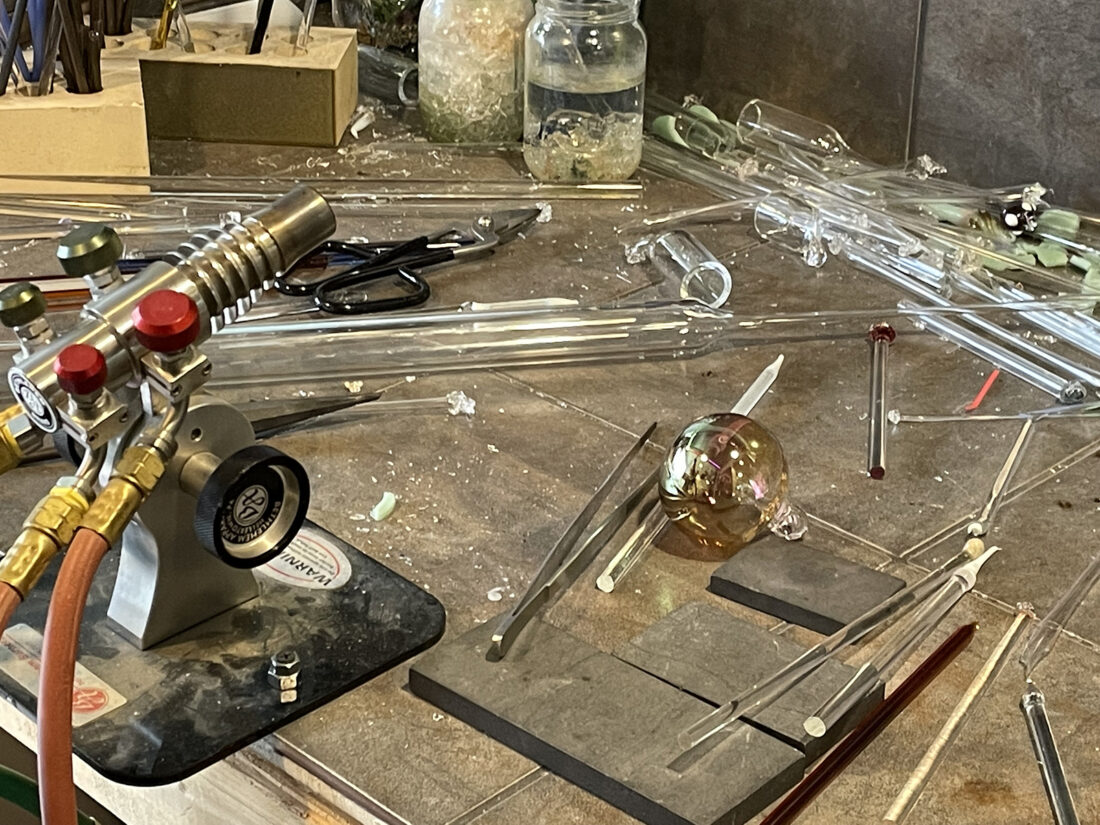
A finished holiday ornament. Submitted photo
Robinson said he makes all of his designs by hand because, he said, “It’s more natural to me.”
“Glass is always liquid,” Robinson said.
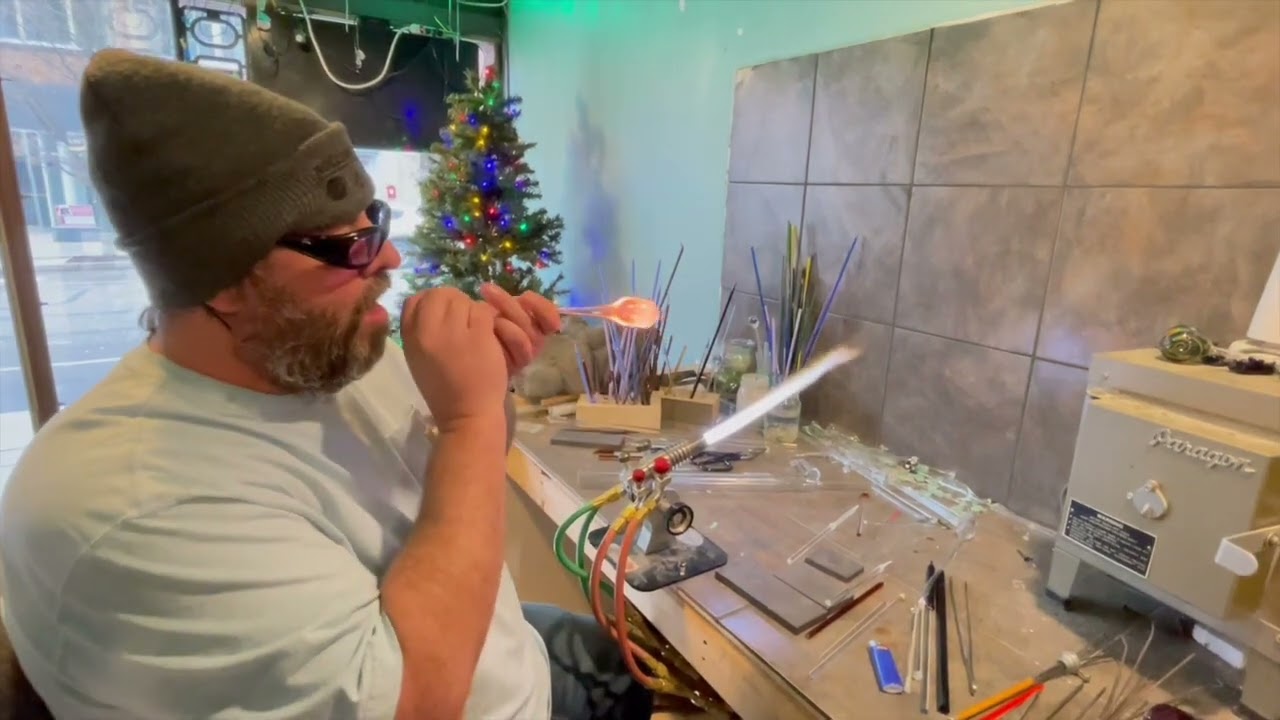
He said a simple clear Christmas ornament that can be hand-fumed with gold or silver takes about 5 minutes to complete. He puts on his eyeware, and then lights the torch. He waits for the flame to reach 3,500 degrees Fahrenheit, and when it does he moves glass over it. Glass, Robinson said, begins to melt at about 1,100 F. After the glass reaches the correct temperature, he cuts it to a length for blowing the ornament. Next, with tungsten claw grabbers, he holds and finishes shaping the tube into a small clear bulb. When that is finished, he hand-blows the bulb to a bigger circumference. When the circumference he wants is reached, he begins the fuming process where minute specs of gold or silver are blown by the flame over the clear glass bulb. Last, he uses tweezers to make a loop so the ornament can be hung.
“They are really pretty and transparent,” Robinson said.
Robinson owns The Liquid Monkey at 16 E. Third St., in Jamestown.
Top stories
Trial underway in 2024 Lakeview attack
MAYVILLE – A trial for an inmate of the Lakeview Correctional Facility who is accused of injuring multiple ...

Missing Mary: Chautauqua Lake celebrates retiring teacher who spearheaded Envirothon, Academic Bowl successes
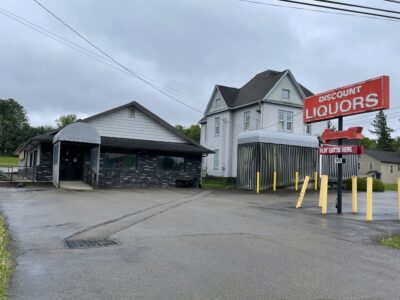
New coffee shop to be placed at former liquor store

Numerous companies respond to Route 430 fire

Worker injured after fall from bridge overnight during project