
Nature Is Always Taking Its Course
Trending
Nature is full of cycles. Day and night, the four seasons, and the water cycle are just a few examples. Perhaps the biggest cycle of all is that of life and death. Often life is our main focus when discussing nature and the outdoors. However, where there is life there must also be death. Although it may seem sad, it is part of the natural life cycle of all living things. Death, and dead things left behind, are important to an ecosystem and the beings within it.
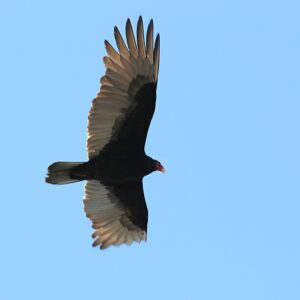
When an animal or plant dies, the leftover organic material goes to support the other living things in the environment. For example, when we put a trail camera up by a dead deer, it helped feed foxes, fishers, crows, and hawks, as well as countless insects. These animals benefited greatly from eating carrion, and some animals, like scavengers, rely on them as a source of food. Consuming carcasses in the environment also helps many carnivores survive the winter, turning the death into easy energy to keep them warm and alive. You can't discuss scavengers without of course mentioning vultures, like the Turkey Vulture. Not only do they help remove dead animals from the environment, but they also remove any diseases that the dead animals may have been carrying, including rabies, distemper, botulism, and more. Vultures can do this because of their incredibly acidic stomachs, which neutralize and remove pathogens from the environment, keeping other animals healthy.
Dead plants also do a great deal of work supporting the ecosystem. Many insect species rely on layers of dead leaves as insulation to keep them warm through the harsh winter. Dead leaves also decompose and add new soil full of nutrients to the ground. Decomposition is aided by fungi and bacteria which feed on and break down organic matter. That fresh soil is perfect for helping future plants grow, which in turn supports the continued health of an ecosystem. At Audubon we have a composting bin where you can see this in action. A bin filled with scraps of food and plant clippings, among other organic matter, is joined by worms and decomposers that work to turn it back into nutrient-rich soil that we use for our garden beds, where plants happily grow and attract pollinators. Without death's hand in creating soil, life would struggle to grow and flourish.
However, fallen leaves are not the only way in which dead plants benefit the environment. Dead trees, also called snags, are important for many other living things. Many fungi species can be found growing on snags, using the dead tree as a home and food source. Insects will bury into and eat the wood underneath, like bark beetles carving elaborate paths as they munch away. Those insects in turn attract woodpeckers, who use their powerful beaks to make holes to snack on bugs. The holes created by woodpeckers also make excellent nesting cavities for species that use them, like owls, red squirrels, bees, and many others. Without snags, these creatures would struggle to find food or a place to live and raise young. If you see a snag in the woods, a closer look will reveal what creatures have been using it. Snags encourage many species to live in an area, increasing biodiversity and strengthening the entire ecosystem.
Life and death are inextricably linked, but that is not a bad thing. In order for us to be alive now, we are supported by all the living creatures, plants, animals, and more, that came before us. Whenever a living being inevitably dies, it paves the way to support new life.
Audubon Community Nature Center builds and nurtures connections between people and nature. ACNC is located just east of Route 62 between Warren and Jamestown. The trails are open from dawn to dusk and birds of prey can be viewed anytime the trails are open. The Nature Center is open from 10 a.m. until 4:30 p.m. daily except Sunday when it opens at 1 p.m. More information can be found online at auduboncnc.org or by calling (716) 569-2345