
Trending
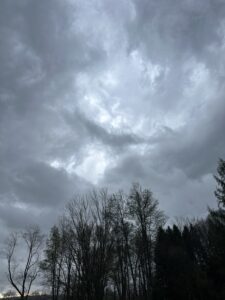
Spring is here! Buds are growing, birds have returned and are singing, and everything has come alive once more. Both people and wild animals eagerly anticipate the warmth that follows winter. However, one feature of spring that is often less anticipated is the rain that comes with it. Personally, I enjoy spring rainstorms just as much as sunny days. Now that it is consistently above freezing, snow is rare. However, air currents still flow, and as warm, humid air from the south comes up and meets the cold, dry air from the north, the humid air rises and forms rain clouds. Rain is a hallmark of springtime; just think of the well-known phrase "April showers bring May flowers".
Rain in springtime is what spurs the growth and awakening of everything else in the environment. Seeds, waiting patiently in the ground, sometimes since the previous fall, use the warm rain and wet ground as their signal to start growing. The increase in rainfall promotes spring plant growth. Once plants start growing again, other animals know it is time to awaken from hibernation, and in many cases to start finding a mate and raising young. The increase in plants means there is more food for herbivores, enough to provide energy for growing young. The increase in herbivore populations, including young, also means that carnivores can start raising their families as well. Whether it is native bees seeking out blooming flowers for their nectar and pollen, rabbits eating fresh grass, or foxes eating the rabbits, all this new life gets kickstarted by the arrival of rain.
The rain at this time of year also has a specific character to it that makes it feel different than the rain in summer or fall. Big fat raindrops sometimes come in from seemingly out of nowhere and are often paired with thunder and lightning. Sometimes the rain is a sprinkle that lasts for the entire day, but at other times it appears suddenly and rains buckets before leaving just as quickly as it appeared. Spring rain also brings with it the unique scent of petrichor, the wet ground producing its own distinct smell.
The dry ground, soaking up water, becomes soggy and oversaturated, forming puddles and raising the water table. Dirt becomes mud, which animals use to build their homes and nests--think of beavers building dams, mud dauber wasps, and birds like robins making cup-shaped nests. The wet ground also forms puddles, perfect for jumping in and attracting amphibian friends. When the air is humid and the ground wet, it is a great time to search for amphibians like frogs and salamanders. When it is damp out, they are much more likely to be out and about. On a warm evening after a spring rainstorm, it is the perfect time to listen to frogs singing their songs. Echoes of spring peepers may fill the air, a loud but tiny chorus of males searching for mates.
Springtime is when the world comes alive again after a sleepy and quiet winter, but none of that can happen without the rain that it brings along. Though it is easy to stay inside and begrudge the rain, I choose to embrace this refreshing aspect of spring as much as it refreshes the earth below. Next time it rains, I plan to go outside and feel the water drip down my hair and back, soaking into my clothing the same way it soaks into the ground. Afterwards, I will go back inside and dry off, make myself a cup of tea, and listen to the calming sound of falling rain, perhaps accompanied by rolling thunder.
Audubon Community Nature Center builds and nurtures connections between people and nature. ACNC is located just east of Route 62 between Warren and Jamestown. The trails are open from dawn to dusk and birds of prey can be viewed anytime the trails are open. The Nature Center is open from 10 a.m. until 4:30 p.m. daily except Sunday when it opens at 1 p.m. More information can be found online at auduboncnc.org or by calling (716) 569-2345.