Chautauqua Lake, What’s The Plan?
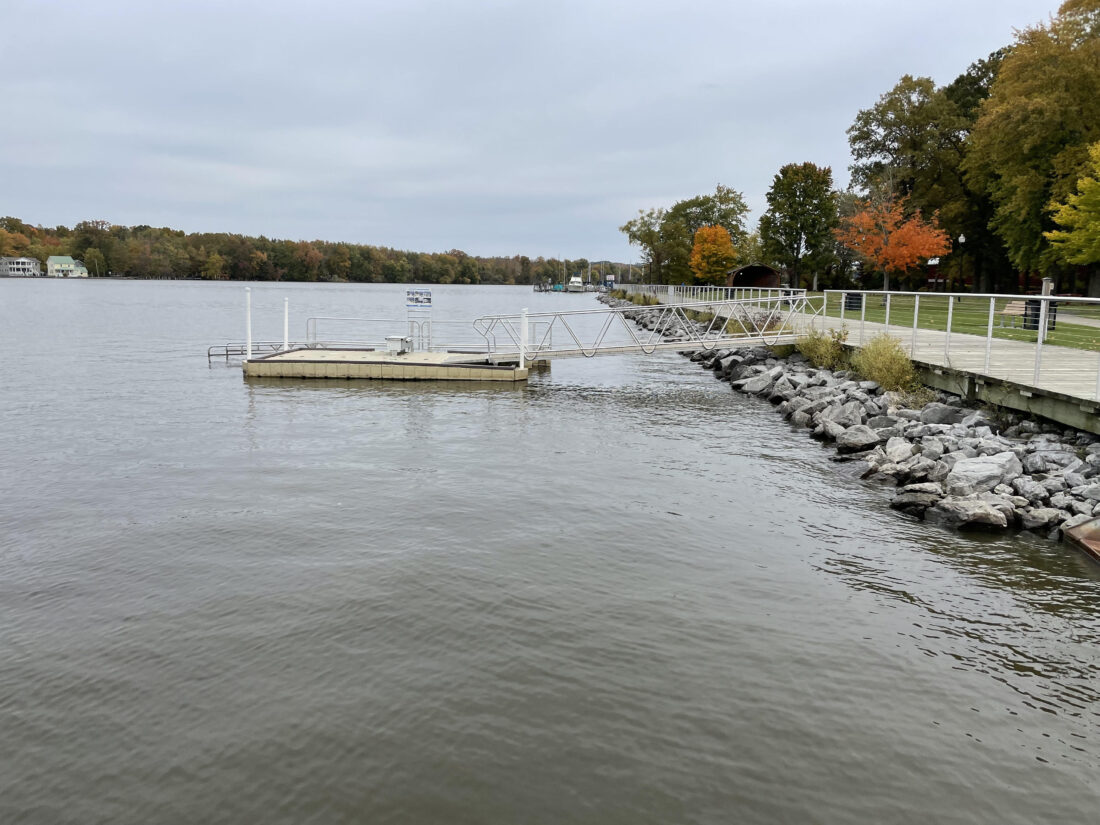
Celoron Boardwalk is pictured here. Submitted photo
As we prepare for another summer season on Chautauqua Lake, the “lake management plan” is once again a key topic of discussion. As the search for a more sustainable funding source continues, so does the dialogue on the objectives that we should work to achieve. The folks following lake and watershed issues will know that there are already quite a few different plans, strategies, and guidance documents on bookshelves and hard drives. Each of these serves a particular role in the management of the lake and watershed, but do any of them exactly fit the bill of a “lake management plan”? If not these plans, then what might we look for?
For several years now the Chautauqua Lake Macrophyte Management Strategy has helped guide plant management programs. Nuisance plant growth is one of many challenges faced on the lake, and provides a useful starting point for a discussion of comprehensive management plans. Harmful algal blooms, climate change, and flooding are also main concerns. The MMS suggests an adaptive approach in which lake organizations meet during the offseason to discuss and plan the work that they will do each summer. These discussions, among Alliance members and other stakeholders, help to inform a coordinated work plan that is announced once funding has been secured for the year. The strategy lays out important objectives and steps to take during this process, such as the collection and sharing of data, ways of measuring success, permitting, adapting to new conditions, and how to analyze the work plan at the end of each year.
The lake’s MMS is intended to be a living document that can be updated as needed, and uses a framework that is similar to other plans in use around the country. Documents such as the Washington State Department of Ecology’s 2004 Guidance for Integrated Aquatic Vegetation Management Plans provide an example of a step-by-step process that can be used by lake communities to address excess plant growth. Because of the past investments in our guidance documents and datasets, we are strongly positioned to produce a more detailed lake management plan. The Washington State approach recommends steps such as listing “water body and watershed characteristics.” We already have very detailed documents like the County’s Watershed Management Plan. Another step is to “map aquatic plants,” which researchers have been doing for decades on our lake. While we have already taken many of these steps, one issue is that some of this information is siloed away in different places, or needs to be brought up-to-date. This is a challenge that we are continuing to address.
One of the most important and difficult parts of these types of plans is a “problem statement.” A problem statement is like a mission statement for an organization, where you briefly explain what you would like to accomplish. The MMS states “it has become evident that an integrated management structure, with a variety of management alternatives, is needed to manage Chautauqua Lake’s macrophytes and the conflicts that they create.” This problem statement is similar to those you will find in related documents, and in the mission statements of several local organizations including the Alliance. When there are calls for a “new” management plan, we may be hearing a desire for an updated problem statement for Chautauqua Lake, one that leads to more well-defined goals, approaches, and performance measures.
Goals may include trying to reduce the abundance of a specific invasive species in a particular area over a certain period of time. New measures of success could also be more focused on the use of the lake, such as public surveys or gathering information on how much recreation is taking place and where. In the end, more well-defined lake management goals would rely on agreement between stakeholders on what we want to achieve, how we want to do it, and how we measure success.
The Alliance releases its coordinated annual workplan each year, which consists of the programs led by our members to improve the lake and watershed. That and other Alliance-partnered work is explained in more detail in our annual reports, which are released each May and posted on our website. Our member organizations and other stakeholders also release their own project updates throughout the year. Reflecting on the structure that has been established and the tools at our disposal, there are exciting opportunities to refine our collective approach and embrace the challenges that lie ahead.
Local News
Coming Soon: Camp Onyahsa To Dedicate Health Center
Sherman says auditorium needs improvements
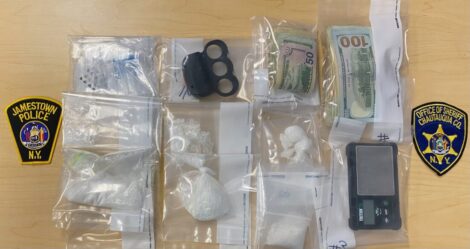
City man charged after drug raid Friday
State reps continue pressure on Dunkirk finances
State Sen. George Borrello and Assemblyman Andrew Molitor continue to pressure the city of Dunkirk on its ...
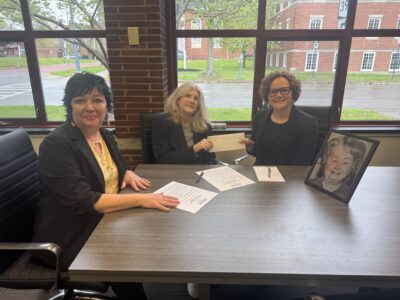
Lasting Legacy: Diane L. Benson Memorial Scholarship established at CRCF to support students