‘Health Homes’ Initiative Seeks To Reduce Child Asthma
Part of Gov. Andrew Cuomo’s 2020 executive budget is a proposal to reduce asthma-related illnesses in children and adults by improving home energy performance and safety.
The state Department of Health and New York State Energy Research and Development Authority will partner to implement the New York State Healthy Homes Pilot in the homes of 500 Medicaid members living in regions with the highest asthma burden across the state. The pilot will sustainably integrate asthma management services and reduce environmental asthma triggers with home energy efficiency improvements and safety measures to reduce asthma-related illnesses. This proposal is part of the Governor’s groundbreaking Health Across All Policies Initiative.
“Every New Yorker, regardless of their financial circumstances, has the right to live in a safe and healthy home free of the triggers that can worsen asthma,” Governor Cuomo said. “Housing quality is a key factor linked to chronic health issues, and this new pilot program can help address the problem head on and improve the quality of life for New Yorkers living with asthma.”
To improve asthma-related health outcomes, Cuomo will launch the multi-agency pilot building on the successes of Medicaid’s Delivery System Reform Incentive Payment Program asthma projects. The healthy homes model integrates energy efficiency and housing services with home-based asthma self-management education, home environmental assessment and remediation, and home-injury prevention interventions.
Administered in partnership by NYSERDA and NYSDOH, pilot participants will benefit from a wide range of no-cost home-based services designed to improve their asthma control, including education on medication management, identification and reduction of asthma triggers services, pest management control, and resources such as specialized vacuums, mattress and pillow covers and asthma-friendly cleaning kits.
Households will also receive a no-cost home energy and environmental assessment from NYSERDA to identify opportunities for improved energy performance along with health and safety improvements. As determined by the assessment, measures such as air sealing, insulation, heating system repair, ventilation, and air conditioning may be installed according to need, along with provision of in-home measure optimization education.
As part of Medicaid’s Value-Based Payment Reform, the Office of Health Insurance Programs will work with participating managed care organizations to incorporate pilot activities into their value-based payment arrangements as part of the requirement to address social determinants of health. Participating managed care organizations commit to contributing sustainable financial support for activities included in the pilot, which will ensure that improved quality of care and beneficial housing improvements will be addressed into the future and independently of pilot funding.
As further compliance with Medicaid’s Value-Based Payment Reform, the pilot will measure progress and quality metrics spanning multiple social determinants of health that impact asthma and evaluate potential savings, including energy efficiency savings and reductions in healthcare costs associated with avoidable emergency department visits and hospitalizations.
Vulnerable and low-income families face a disproportionately high burden from asthma, which not only impacts their overall health and productivity, but also increases health system costs. Research shows that missed school and work days due to asthma, as well as a significant portion of these costs, can be reduced by providing integrated clinical and environmental health interventions in the home.
Community

Broadway show tunes featured in pops concert
4 H Youth Learn Leather Crafting
Local 4‑H youth recently took part in a hands‑on leather crafting educational workshop, where they learned the ...
Jackson Elementary Announces Honor, Merit Rolls
Robert J. Jackson Elementary School officials recently named the school’s honor and merit rolls for the third ...
MOOG Endorses Dream It Do It Advanced Manufacturing Program Certification
MOOG is partnering with Dream It Do It Western New York to support efforts to build a talent pipeline into ...
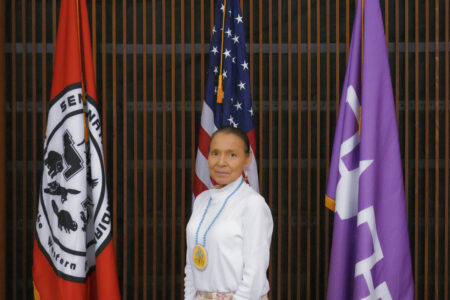
Borrello Chooses Seneca Nation Council Member As Woman Of Distinction