It’s About To Time To Take A Stroll In Rabbit Country
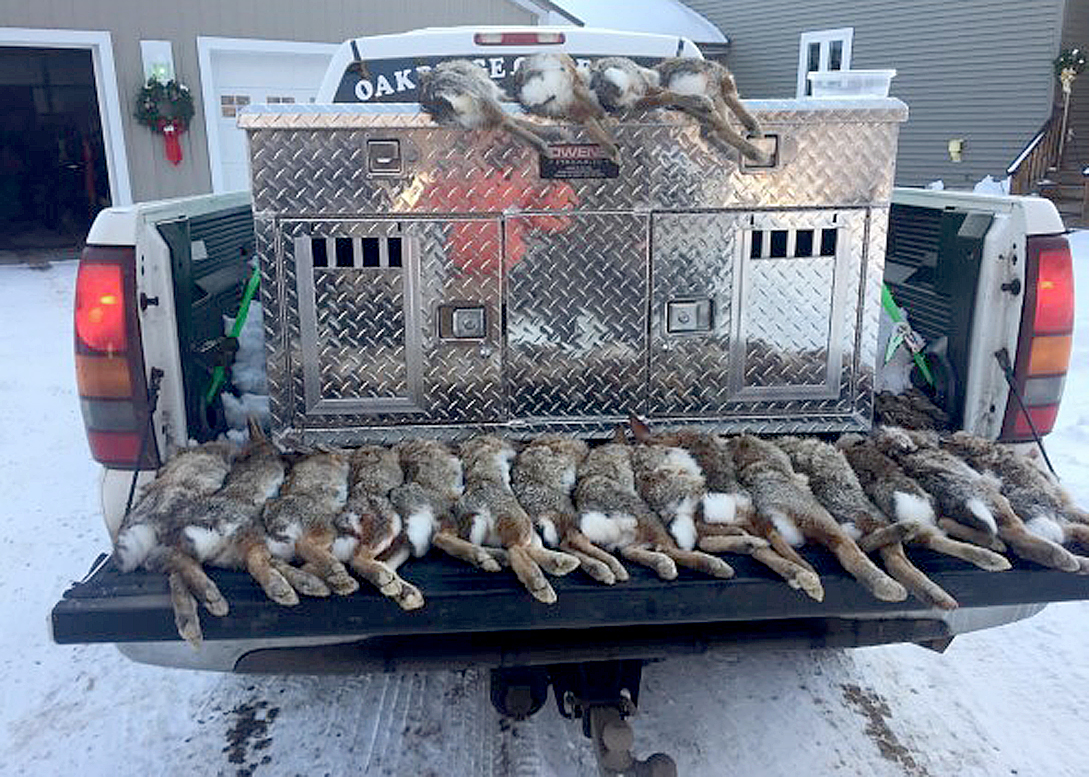
Submitted photo
The rabbit is the quintessential prey animal — a wary, timid herbivore. As with all prey animals, it has its own set of defensive tactics.
First, the rabbit tries to hide from you. A rabbit’s first instinct when it senses a predator is freezing and blending in with the surrounding vegetation. Depending on the terrain, you should try to flush it out.
When possible, try to make noise in one part of the brush to flush the animal out in front of you. Walking zig-zag across a field can also scare up any rabbits hiding among tree tops and high grass.
If the rabbit is kicked up with a line of escape heading away from you, it will zig-zag in leaps to shake you. One of the rabbits’ defensive measures is this random pattern of running.
Rabbits used to be more diurnal in their habits; however, encroaching agricultural practices like edging borders and trimming brushy areas has reduced their habitat. Rabbit will be more active during the early mornings and evenings to increase their chances of survival.
To get a rabbit you need to be where the rabbit lives. Simple enough, but often this can be some pretty dense thick/thorny patches. Brushy areas that are close to their feeding areas are excellent prospective hunting grounds for rabbits. Abandoned barns often provide the cover they crave, as well as hollow logs, fence rows, deadfall, or brush piles.
Since they’re wary and wily, it’s often easier to locate them by finding their favorite foods; clover, alfalfa and blackberry bushes are just a few rabbit favorites. They love to sit by fences and at the edges of where fields blend into forests.
One way to find rabbits’ habitat is to go out at dawn or dusk and note where you see any rabbits disappear into the brush. With snow on the ground this can be easy, but without it, it’s much more difficult.
When you are heading out to chase rabbits it’s best to bring along a blaze orange safety vest, thick clothing and boots. Bring heavy-duty work gloves, as rabbit territory often teems with thickets, tangles and thorny brush.
You don’t want to find the right habitat at the right time of day, flush the rabbit and take the shot, only to have your quarry disappear into a pile of fluff because you’re using the wrong caliber firearm. In other words, you don’t want to completely eradicate your prey with too much firepower.
When you’re hunting small game, you need to match your weapon to your prey. Most rabbit hunters go for a 20-gauge shotgun with an improved cylinder choke. Experience has shown that any larger, and you won’t take down your quarry, you’ll just be picking pellets out of your tasty meat.
Another popular choice for rabbits is a .22 rifle, great at a distance. I am looking forward to testing my marksmanship with my new FX Air Rifle in the coming weeks. This is not only fun, but adds a challenge to what can be an already challenging hunt.
You can also use a bow and arrows, and crossbows are popular. Skip the pistol, unless you’re a TC fan with a .410 barrel and you have practiced a bunch.
Another thing that has come to our awareness is the use of lead shot while rabbit hunting, 5’s and 6’s have been popular for some time, but some folks are getting away from lead. I guess they are concerned about this rabbit stew and use a shot for fear of potential lead-poisoning hazards. Heck, I have been using lead shot for decades just like my father, his father and his father before him and while we have a family history it doesn’t involve lead from rabbit hunting.
As you’re walking through the low-lying brushy areas, be observant of rabbit droppings, which are small, about the size of blueberries, and round and amassed in small piles. Walk into the wind, working a field upwind so your scent and any noises you’re making are carried away from your flighty prey.
One trick that works equally with grouse or woodcock as it does with rabbit is to weave a long pause into your walk. If you’re zig-zagging through likely rabbit habitat, pause every so often. Wait there, still and silent, for up to a half-minute.
Rabbits are incredible listeners and have probably heard you from a way off. When you pause, they think you’ve spotted them, and, if you wait long enough, they may flush on their own, escaping a perceived threat.
Hunting for rabbits with dogs — it is a total rush and worth the price of admission so to speak. A lot of hunters go out for rabbits with snow on the ground. As with any animal, rabbits’ habits change as the seasons come and go. If you’re out on a very frigid day, you’ll have to flush your prey from their hiding holes where they’re keeping warm.
If it’s sunny and slightly warmer, especially after a cold snap, you may be able to find rabbits active during the day, instead of just evening and morning hours. Check a south or southwestern facing slopes in the middle of a warmer day for rabbits sunning themselves to raise their internal temperature.
When you’ve bagged your rabbit, you need to dress it before cooking. Dressing is a relatively simple procedure, and there are a lot of different ways to do it. Remember that wild rabbits often have a lot of fleas, so dress your rabbit outdoors or let it cool completely before you bring it inside. We have found field dressing rabbits once killed to reduce the amount of weight we carry.
The easiest is to make an incision from anus to breastbone and open the rib cavity. First, remove the windpipe and esophagus, and continue to remove all the entrails. Always remove the anal glands and the gallbladder, along with the rest of the innards. An old-time rabbit hunter taught me to pat snow or raise with fresh water as quickly as you can than it cools for a couple days for tender meat.
You can eat rabbit in a variety of ways, but most people like it in a stew. Braise it first to add that lovely taste of roasted meat to your stew.
To butcher a rabbit and cut it up in the easiest way, start from the ground up. First, cut off the hind legs, which is easy as the legs are not connected to the body by bone. Do this again for the front legs, and the same for the head and the ribcage, removing them and any unattractive sinew or silver skin.
You’re left with a saddle of meat, which you can cut into two by severing the backbone. You can then chop these pieces into smaller, bite-sized bits.
With current above average temperatures, it is fun to get and run the dogs or just go for a stroll. While the lack of snow makes finding your furry prey more difficult it’s a great time either way.
Local Sports

Early Showdowns
Ellicottville Beats Panthers 19-7 In Division 3 Baseball
FRANKLINVILLE — Ellicottville took advantage of 15 walks and four hit batters by Franklinville pitchers in a 19-7 ...
Wintersteen Is Medalist Two Days In A Row
BEMUS POINT — Jocelyn Wintersteen was the medalist two days in a row for the Cassadaga Valley/Maple Grove girls ...
Fredonia Outlasts Cougars 3-2
SINCLAIRVILLE — A pair of singles victories and splitting doubles competition lifted Fredonia boys tennis past ...
East Otto State Forest Expands