State Legislators Try Again On Rural Treatment Rules
-
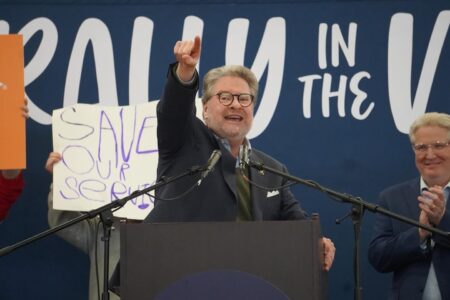
- Pete Harckham, D-Peekskill and initial sponsor legislation is pictured.
-
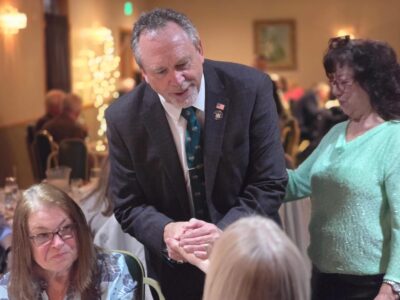
- Peter Oberacker. R-Oneonta, has signed on as a co-sponsor for treatment service providers in rural area.
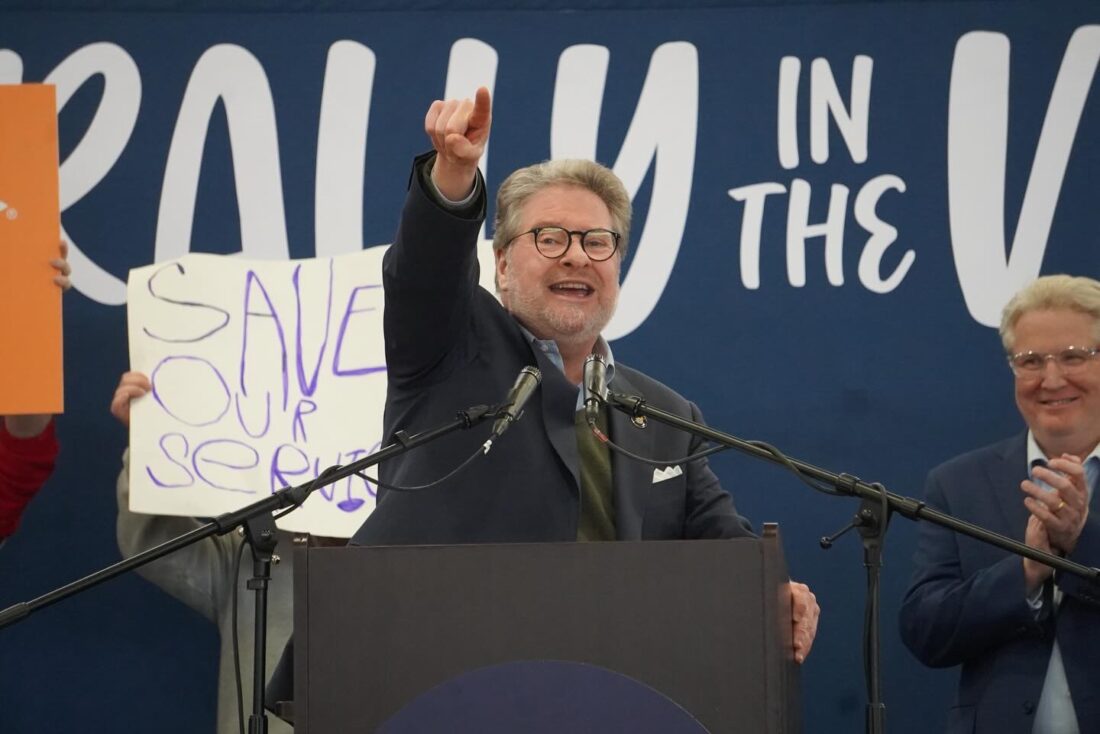
Pete Harckham, D-Peekskill and initial sponsor legislation is pictured.
State lawmakers are taking a second try to pass legislation that would create new rules and regulations for treatment providers operating in rural areas.
The legislation (S.5105) would direct Dr. Chinazo Cunningham, commissioners of the state Office of Alcohol and Substance Addiction Services and Supports, to create the new standards.
It recently passed the state Senate unanimously.
The Senate bill was initially proposed on Feb. 19, 2025, and passed the Senate before the end of the 2025 legislative session.
It did not make it to a floor vote in the Assembly. Now that the bill has once again returned to the assembly, many hope it does not once again see the same fate.
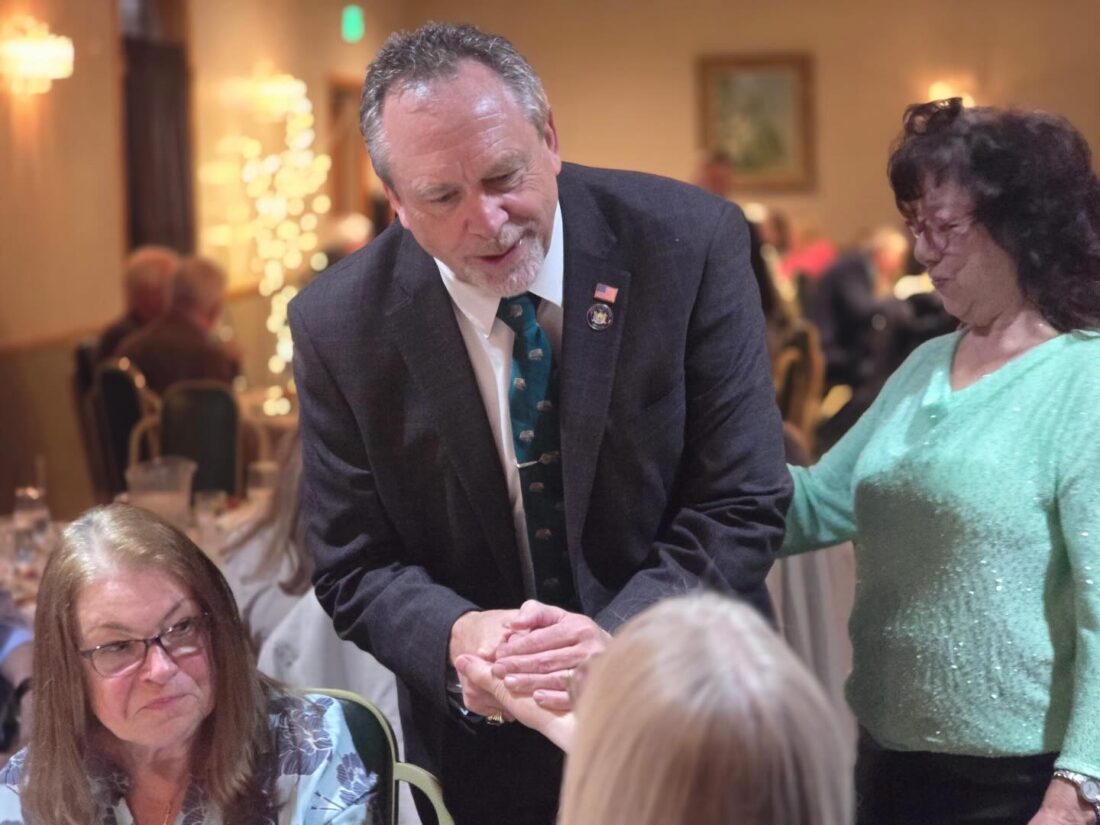
Peter Oberacker. R-Oneonta, has signed on as a co-sponsor for treatment service providers in rural area.
The bill was initially proposed by Sen. Pete Harckham, D-Peekskill, though the bill seemed to receive an extent of bi-partisan co-sponsorship thanks to Peter Oberacker, R-Oneonta.
Though many may be initially concerned about burdening rural municipalities or organizations with additional costs, the bill does make a provision advocating for this to be taken into account by the commissioner.
“Currently, the Office of Addiction Services and Supports (OASAS) uses a formulary for its reimbursement rates that differentiates the increased financial needs for facilities located within New York City in comparison to the rest of the state,” Harckham stated in the bill’s justification. “This formulary does not take into account the increased costs required to maintain facilities where there is a low population density, also known as rural locations. Rural counties have some of the highest rates of persons with substance use disorder, yet their geographic location makes it difficult for individuals to seek services and for those facilities to stay open.”
While in the Senate Committee on Alcohol and Substance Use Disorders, Sen. Rob Rolinson, R-Poughkeepsie, discussed the many challenges that rural areas present to those seeking treatment. Rolinson noted the importance of the first step, but stated that for many in rural areas this may be up to an hour away, noting the challenges to get to the services and for the services to operate. Rolinson said that, while the need for these services are certainly present in rural areas, the demand continues to be unable to be matched. Rolinson argued that this bill’s creation would help to institute regulations to alleviate these struggles potentially. Oberacker also gave some personal experience being from, and representing, a largely rural district.
“Rural communities face distinct challenges in addressing substance use disorder, yet state policies and reimbursement structures too often fail to reflect those realities, leaving the providers who serve them at a clear disadvantage. In lower-density areas, treatment providers must cover vast geographic regions while contending with workforce shortages, limited transportation infrastructure, and operating costs that are often higher than those in more populated parts of the state,” said Sen. George Borello, R-Westfield. “If we are serious about expanding access to recovery services and strengthening families across New York, we need a framework that accounts for the unique circumstances rural providers face.That is why I voted yes on this bill. Rural New Yorkers deserve the same access to treatment as anyone else, and the providers who serve them deserve a system that recognizes the realities on the ground.”
Now that the bill has moved out of the senate, it is on the members of the assembly to decide the fate of the legislation. Assemblyman Andrew Molitor, R-Westfield, seemed in agreement about the problem, especially pertaining to fixing reimbursements to rural regions. However, Molitor seemed unsure if the reimbursement rates would be implemented by OASES, having argued that the discretion currently granted to the organization allows many of these regulations to have been put in place already.
“OASES, as an executive branch agency could promulgate these rules and regulations without an additional law. It would be much more expedient,” said Molitor. “However, the discrepancy in reimbursement rates between NYC and rural counties seems problematic, especially since the costs in rural counties for these services is higher. It is uncertain if this bill would fix the issue though, because the factors OASES should consider in granting higher reimbursement rates for rural counties is still at OASES’ discretion.”
Top stories
State Legislators Try Again On Rural Treatment Rules
No Decision Yet On Chautauqua Lake Lawsuit
CHQ Transit Hub Receives Approval
Former Bank Becomes Home Of New Gift Shop
Public Works Committee Talks Equipment Purchases