
Trending
Editor's Note: This article is from the CWC archives and was originally published on April 2, 2016.
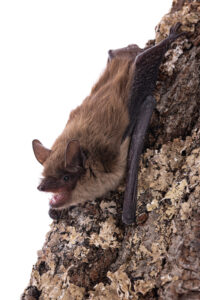
Whether you love them or hate them, bats are incredible creatures. At over 1,300 species, they are the second most numerous order of mammals and make up almost a quarter of the entire mammal kingdom! They live on every continent except Antarctica, and besides fruit and insects, they also eat fish, frogs, blood, birds, mice and even other bats.
Despite their astounding diversity, bats are often much maligned. Grossly exaggerated claims that they spread disease, outright fear and persecution, as well as environmental degradation have led to huge numbers of these incredible creatures being unnecessarily slaughtered around the world. Recent headlines asserting that they spread Ebola have gained wide notoriety, yet the studies pointing out serious flaws in these reports barely receive a mention. Selected for the ease of studying large groups of colonial mammals, bats were almost immediately identified as the culprit in the recent Ebola epidemic. Point in fact, there is NO credible scientific evidence linking bats to Ebola, yet tens of thousands of bats have perished from human persecution due to these erroneous claims. Yes, bats do carry rabies, but not more than any other mammal. Less than half of 1% of bats carry the virus, and recent studies have pointed to a biased system for assessing rabies prevalence rates in the wild. You are many times more likely to catch a disease or be injured by a feral cat or dog than a bat. In fact, ALL of the historically documented deaths attributed to bats worldwide pale in comparison to the deaths attributed to "man's best friend" in the United States alone over just one year. Treated properly with the respect that any wild animal deserves, bats pose such a miniscule risk to human health that it is all but negligible.
All of our local bats are insect eaters, and just one individual bat can eat upwards of one thousand insects in a single night. This translates to very real public health impacts when thinking about mosquito borne illnesses such as West Nile Virus or Eastern Equine Encephalitis, as well as huge economic impacts in terms of suppression of agricultural pests. For example, a study of a colony of 150 big brown bats (Eptesicus fuscus) was estimated to impact the following, quite impressive, number of agricultural pests through direct predation or suppression of gravid females in just one year: 600,000 cucumber beetles; 33,000,000 rootworms; 335,000 stink bugs; 194,000; scarab beetles; and 158,000 leafhoppers. The impact of this one species of bat affects crop harvests of cucumbers, corn, soybeans, cotton, potatoes, apples, as well as lawn and nursery industries by driving pest populations down. Our county is home to thousands of farms, with economic impacts in the tens of millions of dollars locally. Gauging the impact of bats on these pests from the information above, it quickly becomes apparent that bats can be a HUGE asset to our local farms. Recent studies looking at the impact of bat predation on insects that attack corn harvests suggest economic impacts in the billions of dollars. Aren't bats incredible?
The benefits don't stop there! Many farms understandably struggle with agricultural pests. Often, they resort to using expensive, toxic chemicals to fight back against the yearly scourge of insects destroying their crops. This is a losing battle, as evidence shows that insects readily evolve to withstand these chemicals, leading to ever higher levels of more and more toxic substances being applied to our food. When we increase our bat populations, we decrease the need for pesticides, which saves farms money. This also leads to a healthier environment, cleaner water and lower incidences of health issues that may be attributed to this use. Installing bat houses is a great way to attract beneficial bat species, which help us as we help them. Bat experts suggest using a four chamber nursery house, and evidence shows that multiple houses leads to higher occupancy rates. Bat house plans are available free of charge at www.batcon.org.
Our bats that live in the Chautauqua County region are in serious trouble. In addition to the issues listed above, a recent disease, White Nose Syndrome, has decimated bat populations in the eastern United States. Not all bat species are impacted, but the ones that are have experienced declines of up to 99%. Some of the most common bat species in NYS have almost completely vanished from the landscape. This is tragic, and may lead to ever increasing issues with agricultural pests or public health crises. Every individual bat is invaluable - please make sure you do what you can to help them, or at least not hurt them! No one would ask that you love a creature that creeps you out, but everyone should respect the services bats provide to our ecosystem, economy and health. If you are experiencing issues with bats in your home or want more information on what you can do to help, please contact our Conservation Lands Manager and bat expert Jonathan Townsend at Jonathan@chautauquawatershed.org. We would be happy to do whatever we can to encourage good bat-human relations!
Chautauqua Watershed Conservancy is a not-for-profit organization with a mission to preserve and enhance the quality, scenic beauty, and ecological health of the Chautauqua region's lands and waters for our community. For more information, visit chautauquawatershed.org and follow us on Facebook and Instagram.