
Hunters have a role to play — with CWD
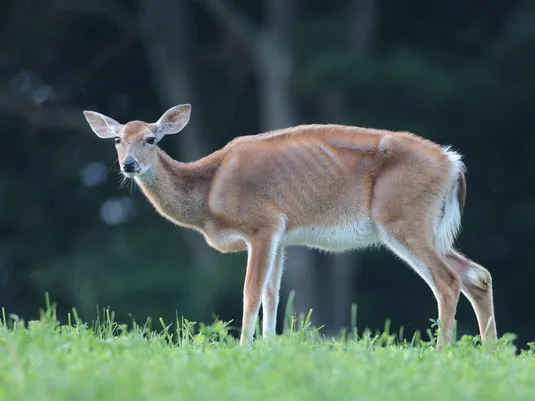
Pictured is a doe with chronic wasting disease. New York has zero cases of CWD for more than 20 years. Other states are envious. Photo courtesy of Pennsylvania Game Commission
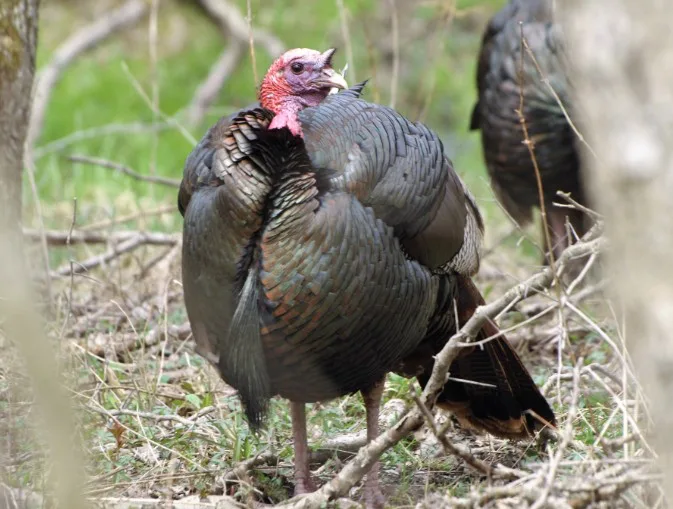
The fun to be found turkey hunting is endless, especially when deer hunting in autumn — it’s exciting. The Southern Zone fall turkey season ends on Oct. 30. Photo courtesy of the late Joe Forma collection
Pictured is a doe with chronic wasting disease. New York has zero cases of CWD for more than 20 years. Other states are envious. Photo courtesy of Pennsylvania Game Commission
The fun to be found turkey hunting is endless, especially when deer hunting in autumn — it’s exciting. The Southern Zone fall turkey season ends on Oct. 30. Photo courtesy of the late Joe Forma collection
Trending
For many Western New York deer hunters, the pursuit of a whitetail doesn't always end at the state line. Each year, hunters travel to other states to join friends and relatives, hunt with experienced guides, or explore new territory in search of a memorable buck. While the excitement of an out-of-state hunt might be exciting, there is an important responsibility every hunter should keep in mind: protecting the healthy New York deer herd from chronic wasting disease.
Chronic wasting disease, or CWD, is a fatal neurological disease affecting white-tailed deer, mule deer, elk, moose and other members of the deer family. It has been documented in 37 states, making it a growing concern for wildlife managers and hunters throughout the country. Once established in an area, the disease is extraordinarily difficult to eliminate.
CWD is caused by infectious proteins called prions that damage the brain and nervous system. Infected animals may gradually lose weight, stumble, drool excessively or behave abnormally. Yet one of the greatest challenges is that deer can carry the disease for months or longer before showing visible signs. An animal that appears healthy may still be infected.
The disease was first recognized in captive deer in Colorado in 1967 and later found in wild deer and elk. Scientists have not determined exactly where it originated or what initially caused it to emerge. Researchers do know that CWD can spread through bodily fluids and contaminated soil, food and water. Its infectious prions can persist in the environment for years, making the disease particularly difficult to control.
New York has already seen how serious the threat can be. CWD was detected in the state in 2005, prompting an intensive response in north central New York by the Department of Environmental Conservation. Officials successfully eliminated that outbreak, but preventing the disease from returning remains essential to protecting the state's wild deer population. New York has zero cases of CWD for more than 20 years. Other states are envious.
That responsibility is especially important for hunters who travel outside New York. State regulations prohibit bringing whole deer and certain other high-risk carcass parts across the border. Hunters returning with deer, elk, moose or caribou must follow DEC rules, which generally permit deboned venison, cleaned skullcaps or antlers without attached flesh, hides, cleaned teeth or lower jaws, and finished taxidermy products. Checking current regulations before traveling can prevent costly mistakes and help protect local wildlife.
Questions about eating venison from areas where CWD occurs are also understandable. There is currently no confirmed evidence that CWD infects people, but public health authorities advise hunters not to eat meat from animals that test positive. In affected areas, hunters should consider having their harvest tested and follow local wildlife agency guidance before consuming the meat. Deer that appear sick should never be harvested for consumption, and ordinary cooking does not destroy CWD prions. Common sense.
Other precautions can make a difference, too. Hunters are urged to choose synthetic alternatives to natural deer urine-based scents. Supporting fair-chase hunting and avoiding the movement of live deer or potentially infectious carcass material can also help limit the spread of disease.
CWD is more than a wildlife management issue. Healthy deer populations sustain hunting traditions, support local businesses and provide generations of families with lasting outdoor memories. Keeping those traditions alive requires hunters to remain informed and recognize that even small decisions can have lasting consequences. Follow the rules.
The best defense against chronic wasting disease is to prevent it from becoming established in the first place. For New York hunters, protecting the deer herd begins with accepting that every responsible hunter can help make a difference. Let's keep chronic wasting disease out of New York.
Last, the Southern Zone fall turkey season runs through Oct. 30, one bird of either sex is allowed and hunting is legal from sunrise to sunset. Bow, crossbow, shotgun is allowed. Not allowed: Rifle, handgun firing a bullet, dogs in Northern Zone with crossbow, bait, or electronic calling/amplifying devices (during open season).
Gotta love the outdoors.
CALENDAR
Oct. 27: Children in the Stream Youth Fly Fishing/4-H Program, Fly tying/fly fishing classes, 7-8:30 p.m., free, Costello Room, Rockefeller Art Center at SUNY Fredonia, For info: email Alberto@albertorey.com.
Oct. 30: Last Day of Southern Zone fall turkey hunting season, one bird either sex allowed, sunrise to sunset. See dec.ny.gov for zones.
Nov. 1: Fall Shoot, open to public, 11 a.m. start, raffle prizes, fun competitions, Westfield Fish and Game, 8150 Ogden Road, Westfield.
Nov. 3: Children in the Stream Youth Fly Fishing/4-H Program, Fly tying/fly fishing classes, 7-8:30 p.m., free, Costello Room, Rockefeller Art Center at SUNY Fredonia, For info: email Alberto@albertorey.com.
Nov. 4: Fly Tying Class, 6-8 p.m., free, Falconer Rod & Gun Club, 329 Falconer St., Jamestown; info: 716-467-0782.
Nov. 7-8: NYS Handgun Class, Westfield Fish and Game, 8150 Ogden Road, Westfield; 20-student max, $225 fee, register at RASGROUPTRAINING.COM or call 716-499-6959.