
WNY’s tick problem deserves a better explanation
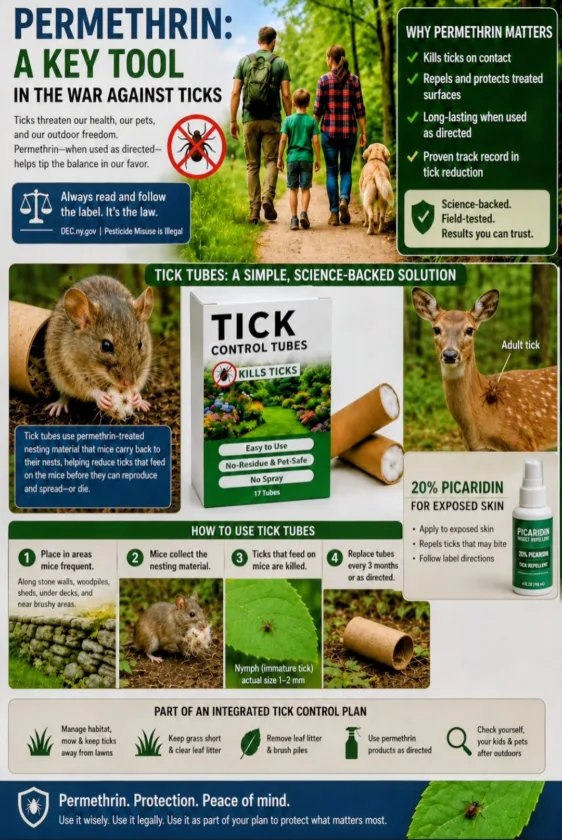
Illustration by Sheri Voss
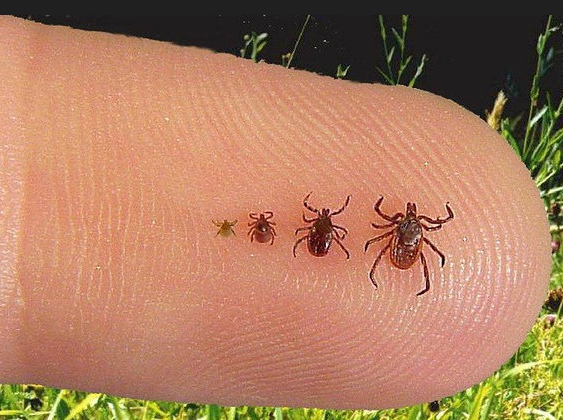
Deer ticks are extremely small, are difficult to detect, and have painless bite. Photo courtesy of California Public Health Department
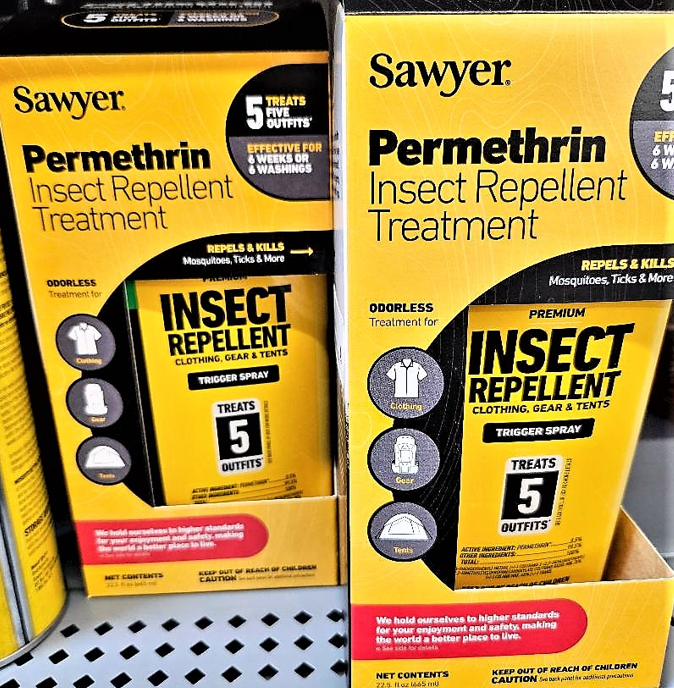
Appropriate tick-repellent clothing, EPA-registered repellents such as permethrin (and picaridin), and thorough tick checks after being outdoors can reduce the chance of a tick bite. Photo courtesy of Forrest Fisher
Illustration by Sheri Voss
Deer ticks are extremely small, are difficult to detect, and have painless bite. Photo courtesy of California Public Health Department
Appropriate tick-repellent clothing, EPA-registered repellents such as permethrin (and picaridin), and thorough tick checks after being outdoors can reduce the chance of a tick bite. Photo courtesy of Forrest Fisher
Trending
Across Western New York, many homeowners have noticed what seems like an explosion in deer ticks -- and with it, growing concern about Lyme disease. It is understandable that attention turns to our abundant white-tailed deer. After all, deer are among major hosts for adult black-legged ticks, commonly called deer ticks.
But, there is an important distinction that is often missed: Deer help sustain tick populations, but they are not the source of the Lyme disease bacteria. Like many other warm-blooded animals, they are only a host to adult deer ticks -- deer ticks feed off them, but not the source of Lyme disease.
The real story is considerably more complicated -- and more interesting. There is a bigger mouse-tick connection that everyone should know more about.
The Lyme disease bacterium, Borrelia burgdorferi, is maintained in nature primarily through small mammals, especially the white-footed mouse. These mice are highly competent reservoirs and distributors for the bacteria. Larval ticks feed on infected mice and acquire the bacteria. Those ticks can later transmit Lyme disease to people, pets (cats and dogs) and other animals.
That is why calling them "deer ticks" can be misleading. The name describes an important host -- not the animal that gave the tick its Lyme infection.
Deer are extremely important to the tick’s life cycle because adult ticks can feed and reproduce on them. But white-tailed deer are considered poor reservoirs for Borrelia burgdorferi, and typically do not pass the Lyme bacterium back to feeding ticks. So let’s respect the deer for what they are: an important part of the ecosystem, a magnificent wildlife resource and a host for ticks -- but not the villain in the Lyme story. Should we eliminate all the deer? Would make little sense.
What about eating venison? This is another point that deserves far more public attention: You do not get Lyme disease from eating properly handled and cooked venison.
The fact that a deer can carry ticks does not mean the meat is a source of Lyme disease. Lyme disease is transmitted through the bite of an infected black-legged tick -- not through eating deer meat (venison).
As a general rule, hunters should still follow normal precautions when field-dressing deer: wear appropriate gloves, wash hands and equipment, and handle and cook venison properly.
There is no reason for Lyme disease fears to turn into fear of eating venison. The ticks did not give the meat Lyme disease and eating properly prepared venison is not a recognized route of Lyme transmission.
So why not attack the mice? This is where things get even more interesting. It may seem logical to simply eliminate mice, but nature rarely makes things that easy. Removing mice indiscriminately could potentially leave infected ticks looking for other hosts (any warm blooded creature). The goal should be to interrupt the transmission cycle -- not simply remove one piece of it.
What about tick tubes? Commercial tick tubes use nesting material treated with 20% permethrin. The concept is simple: mice collect the material and bring it into their nests. The EPA suggests placing these around wood piles, bushes, flower beds, stone walls, etc. The permethrin can kill ticks feeding on those mice, potentially reducing the number of infected ticks entering the next stage of their life cycle. These sort of products make good sense. More properly regulated mouse-targeted, tick-targeted commercial products should be developed, tested and approved.
In the end, we need to protect ourselves, but understand the source of Lyme disease (mice). Personal protection remains extremely important. Appropriate tick-repellent clothing, EPA-registered repellents such as permethrin and picaridin, and thorough tick checks after being outdoors can reduce the chance of a tick bite. Personal protection addresses our exposure. It doesn’t address the ecological cycle that produces infected ticks.
The deer are part of the story. The white-footed mouse is a much bigger part of the Lyme story.
Western New York doesn’t need a war on wildlife. It needs better public education, better research and better tools for interrupting the mouse-tick-Lyme cycle.
Respect the deer. Enjoy the outdoors. Hunt responsibly. Eat your venison. Lastly, do understand what is really happening in the woods beneath our feet.
If we want to get serious about Lyme disease, we need to stop looking only at the deer -- and start paying much more attention to the mouse.
Gotta love the outdoors.
CALENDAR
Aug. 28-30: NYS Conservation Council, Fall Conference, Hancock House/Catskills Fly Fishing Museum, visit: www.nyscc.com.
Aug. 29: Kids free ice cream social, noon-2 p.m., Stockton Library, visit with Cassadaga Fire Dept. and Bear Lake Rod & Gun Club (Don Campbell) while there.
Aug. 29: NYSDEC Hunter Ed Course, Springville Field & Stream, 8900 Chaise Road, Springville, 8 a.m. to 4:30 p.m., event is full.
Aug. 30: NYSDEC Bowhunter Ed Course, Springville Field & Stream, 8900 Chaise Road, Springville, 9 a.m. to 5 p.m., register at: https://decals.events.east.licensing.app/em/events/431 or call DEC Hunter Education at 585-226-5463.
Aug. 30: Trap Shoot, open to public, Erie County Conservation Society, 13319 Miller Ave., Chaffee, 9 a.m. to noon, $6/round.
Aug. 30: Ellington Rod & Gun Club, "Don't Know Partner Trap League," 1045 Hagerdon Hill Road, Ellington; Info: 716-287-3987.
Aug. 31: Annual Club Picnic, Northern Chautauqua Conservation Club, 10 a.m. to 6 p.m., members $25, nonmembers $40, Info: 716-366-8836.
Sept. 1-30: NYS Early Nuisance Canada Goose, Upstate New York only, see syllabus, www.dec.ny.gov.