
Resist temptation, leave young in nature alone
Trending
In New York state, wildlife is something people from many walks of life treasure. Hunters, hikers, campers, anglers, birdwatchers and families exploring local parks may not agree on everything, but most share one belief: supporting healthy wildlife matters. That shared appreciation becomes especially important.
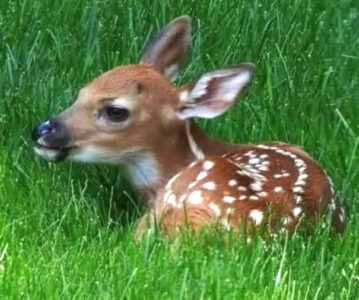
In spring and early summer, right now, young animals begin appearing in fields, forests, parks and our backyards. A spotted fawn tucked quietly into tall grass or a baby bird fluttering near the ground can stir concern. Our instinct to help is understandable. In most cases, helping means leaving wildlife alone.
The New York State Department of Environmental Conservation reminds residents that fawns, nestlings, fledglings and other young wildlife are rarely abandoned. What looks like neglect is often nature at work. A doe often leaves her fawn hidden for hours while feeding nearby, returning periodically to nurse. During those first vulnerable weeks, the fawn's stillness and camouflage are its best protection from predators. Human interference -- even well intentioned -- can interrupt that natural behavior and create unnecessary stress or danger.
The same is true for young birds. Nestlings may accidentally end up on the ground, while fledglings, fully feathered but awkward, spend time hopping and fluttering as they learn to fly. To many observers, a young bird outside the nest may seem helpless, and that they need our help. In reality, adult birds are almost always close by, watching and feeding them. It's their time to grow. The message is simple but important: observe, don't interfere.
Handling wildlife carries risks not only for animals but also for people. Stress, injury, disease transmission, or more. The wildlife adults might abandon their young then. Pets, too, should also be kept at a respectful distance from young wildlife.
Protecting wildlife goes beyond accepting restraint. It also means becoming active stewards of the outdoors. New Yorkers can support habitat conservation through local conservation groups, volunteer cleanups, citizen science bird counts, habitat restoration projects, hunter education programs, or by learning more through DEC outreach and educational events. Teaching young people to appreciate animals without disturbing them may be one of the most important conservation lessons of all.
Wildlife survives because natural systems work best when humans respect boundaries. If we hope future generations will enjoy the thrill of hearing songbirds at dawn or spotting a deer in the woods, awareness today matters. Sometimes, the kindest action we can take is simply to step back, admire from a distance, and let wild things stay wild. The best thing you can do for a young fawn: Walk away. If you do encounter a fawn that is obviously injured or orphaned, call a Wildlife Rehabilitator (https://appfactory.dec.ny.gov/SpecialLicensesSearchSystem/rehab) for advice and help. They are the only people legally allowed to receive and treat distressed wildlife. They have the experience, expertise, and facilities to successfully treat and release wild animals back into the wild, where they belong.