
Deer Ticks Can Be Tiny Terrors In Western New York
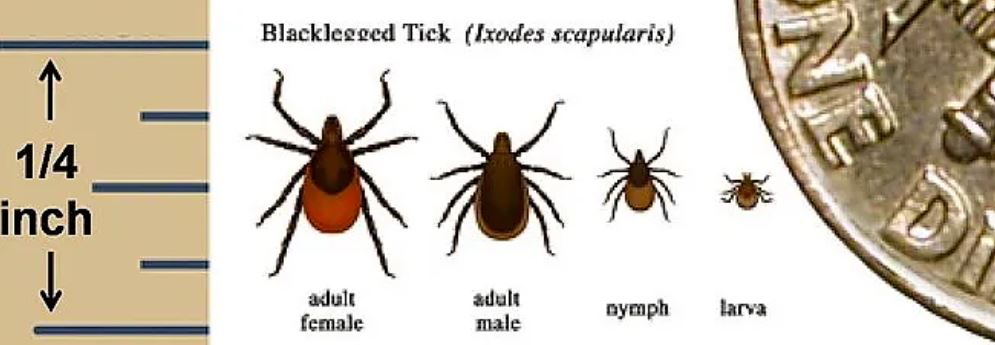
Deer ticks — also called black-legged ticks — are tiny in their larvae stage, but just as deadly as adult deer ticks. Be aware of their minimal size. Graphic courtesy of CDC
After Wednesday, we know spring is on the way with more than enough April showers. But the first signs of spring also mark another advent. If you’ve spent any time outdoors in Western New York lately, you’ve probably heard a version of the same question: “What is this rash?” More often than people realize, the answer traces back to something no bigger than a sesame seed — a deer tick and a “bullseye rash.” A deer tick bite can mean you have Lyme disease. It can be a life-debilitating disease. So please pay attention, especially now, as deer ticks live in shady, moist areas at ground level; like we have right now.
As winters grow milder and spring arrives earlier, tick populations are thriving. That first stretch of 40-degree days and melting snow doesn’t just signal hiking season — it kicks off prime time for ticks. And while they may be small, the problems they bring, including Lyme disease and other infections, are anything but.
Here’s the good news: tick bites are preventable. They’re not that fast, they don’t jump and they don’t fly. In fact, they’re more like tiny, patient hitchhikers waiting for a ride. Which means with a little awareness and a few smart habits, you can enjoy the outdoors without bringing one home.
Start with what you wear. Light-colored clothing isn’t just a fashion statement — it’s your first line of defense. Ticks are dark and easier to spot against lighter fabrics, which gives you a chance to remove them before they latch on. Long sleeves and pants add another layer of protection, and yes, tucking your shirt into your pants and your pants into your socks might not win any style awards — but it works. It’s effective. Think of it as sealing the doors and windows before a storm.
Hair is another favorite landing zone for ticks, so tying it back or wearing a hat can make a big difference. They’re opportunists, and any easy access point like your head is fair game.
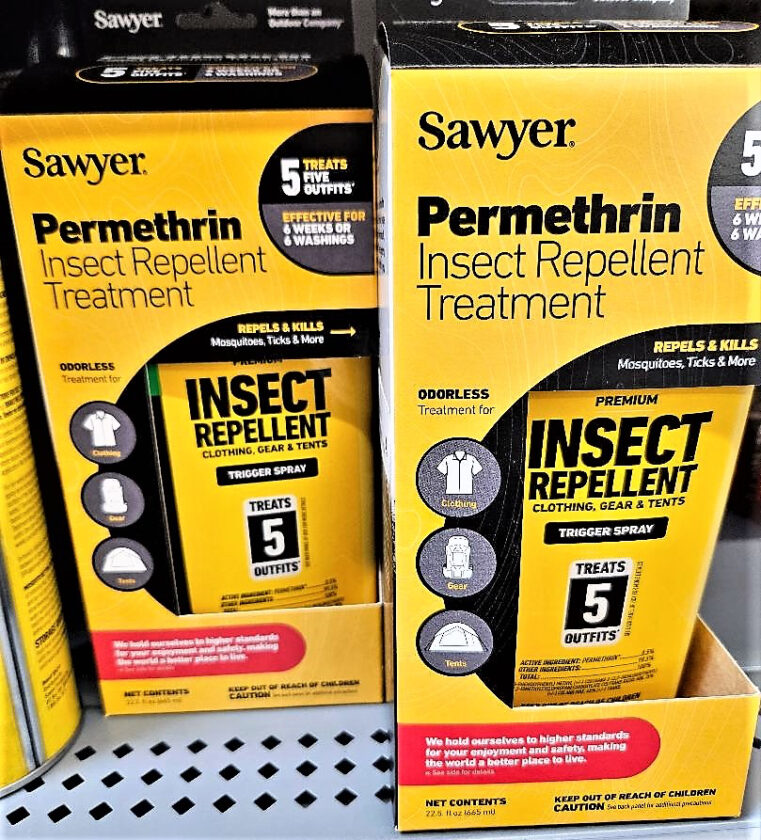
Permethrin is a deer tick and insect repellent for shoes and exterior clothing. Cost is usually under $15. Photo courtesy of Forrest Fisher
Repellents are your next tool. Products containing Permethrin are especially effective when applied to clothing and gear. They actually kill ticks on contact and continue working through multiple washes (read the label … six washes). Standard insect repellents like Picaridin can also help when applied to exposed skin — especially around cuffs, socks, your neck and waistbands. Just remember: Permethrin is for gear, not skin.
Even with precautions, nothing replaces a good old-fashioned tick check. Ticks are sneaky. They like warm, hidden areas — behind ears, under arms, along the scalp, around the waistline and crotch. Checking yourself (and kids, pets, and gear) throughout the day — and especially when you get home — can stop a problem before it starts. Then get in the shower and rise off to be sure. That’s the best way. Toss your clothes in the dryer on high heat. Done. Safe.
And here’s where awareness really matters: many people still don’t immediately recognize a tick bite or the early signs of tick-borne illness. That’s why education is just as important as prevention. Knowing what to look for, acting quickly, and seeking care when something seems off can make all the difference.
Ticks may be more common than ever in Western New York, but they shouldn’t keep you inside. With a little preparation, you can stay one step ahead and keep your outdoor adventures focused on fresh air, not unwanted passengers. Remember, the only thing you should be bringing back from the woods is a good story. Not a tick. To learn more about ticks, check https://dec.ny.gov/environmental-protection/public-safety/be-tick-free. Hunter Education courses are about to start for 2026, deer tick education is included in the Hunter Ed manual.
Gotta love the outdoors.
CALENDAR
April 2: WNY Re-Leaf Tree Safety Workshop, 8:30 a.m. to 3:30 p.m., Buffalo Zoo; tree care safety basics, chipper safety, chain saw safety, more; small fee.
April 7: Niagara Musky Association, monthly meeting, 7 p.m., Eldridge Club, 17 Board St., Tonawanda.
April 7: Children in the Stream, Youth Fly Fishing program, free, Costello Room, Rockefeller Art Center, SUNY Fredonia, 7-8:30 p.m., 12 years old and older, info: 716-410-7003 (Alberto Rey).
April 11: NYS Hunter Education Course, Carroll Rod & Gun, 1111 Frew Run Road, Frewsburg, 8 a.m. to 5 p.m.: students register online: https://dec.ny.gov; students must complete homework prior to class. Info: 716-569-4337.
ııı
Submit calendar items to forrestfisher35@yahoo.com at least 10 days in advance.
-
- Deer ticks — also called black-legged ticks — are tiny in their larvae stage, but just as deadly as adult deer ticks. Be aware of their minimal size. Graphic courtesy of CDC
-
- Permethrin is a deer tick and insect repellent for shoes and exterior clothing. Cost is usually under $15. Photo courtesy of Forrest Fisher
Local Sports
Junior Bowling
JAMESTOWN BOWLING COMPANY Tyler Swanson rolled a 252-188-179-619 and Kentrell Wiggins wasn’t far behind with a ...

D3’s Top Honors

YMCA Hosts Mixed Doubles Shootout
Deer Ticks Can Be Tiny Terrors In Western New York
Grzesiak Captures Title At St. Patrick’s Day Massacre
Corey Grzesiak took first place in the St. Patrick’s Day Massacre No. 2, Nitro Tournament No. 9 at Jamestown ...
Sabres’ 2,000th Win Gives Them 100 Points
BUFFALO (AP) — Bowen Byram flipped a long shot into an empty net with 1:43 remaining to lead the Buffalo Sabres ...