
A history lesson in how we measure success
Trending
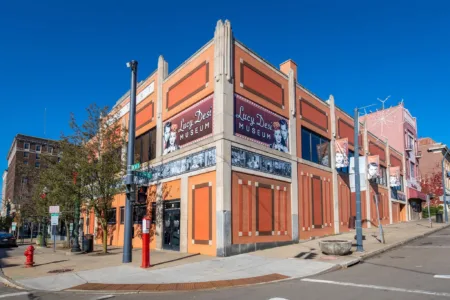
As early as 1990 – six years before it opened – the idea of a Lucille Ball Museum was being talked about in hyperbolic terms.
“In conjunction with the Civic Center and the New Comedy Festival, this could be one of the most exciting and important developments to come down the road for Jamestown in a long, long time,” said Sam Teresi, the city's development director in 1990 who later became mayor.
We heard the same thing about the National Comedy Center. In fairness, we've used the same sort of language and held the same sort of thoughts regarding the Lucille Ball-Desi Arnaz Center and the National Comedy Center.
But what if we've been measuring success the wrong way?
Of course we want a big economic impact from visitors lining the streets all summer, spending money in local shops and staying in regional hotels. Chautauqua Lake has been a tourist destination for more than a century; it makes sense that Jamestown should try to capitalize.
But retelling the story of the Lucy-Desi Center a week ago makes one realize that economics is only one way to measure the success of institutions like the Lucy-Desi Center, the Roger Tory Peterson Institute or even the National Comedy Center. By any rights the Lucy-Desi Center could have come and gone a couple of times over the past 30 years. Losing licenses to display memorabilia is a big deal in the museum world, and it almost happened here twice. The 2008-09 recession required an intercession from other downtown organizations to stabilize the Lucy-Desi Center's amidst a period of leadership turmoil and financial pressures that could have sunk the museum before it reached the period of tranquility we see now. We lived through it and didn't necessarily realize at the time how close we were to losing what has become a treasured piece of Jamestown's past and what should be a piece of Jamestown's summer tourism economy for years to come. It's a success that the Lucy-Desi Center is still here at all, much less celebrating the 30th anniversary of its opening to rave reviews on Memorial Day weekend 1996.
Taking a step back also makes clear that economics, while important, is only part of the discussion. Institutions like the Jackson Center, RTPI and the Lucy-Desi Center serve a purpose that goes beyond being a draw to bring people downtown. They're a way to remember those with Jamestown roots who made an impact on the world around them by documenting the natural world, by changing the world with their words and legal intellect or making people laugh out loud for decades. In the case of the Lucy-Desi Center, the fact that the museum is meeting the vision that Lucille Ball described to her family is an important measure of success that perhaps we as a community didn't fully weigh as we waded through the day-to-day ups and downs the museum has gone through over 30 years.
A preliminary proposal for the initial Lucille Ball-Desi Arnaz Center of Comedy was estimated to bring "upwards of 100,000 visitors on an annual basis into our downtown area," according to a meeting notice sent to The Post-Journal on April 23, 1992.
Has the center ever hit that number?
We doubt it. Attendance at the Lucy-Desi Museum had leveled out around 25,000 people a year, but checked in at 47,432 visitors in 2019, the year the National Comedy Center opened. Unduplicated museum attendance between the two museums was 95,502 in 2019.
Is the center a failure?
Absolutely not, in our opinion.
The center is still here and relevant 75 years after I Love Lucy premiered, drawing visitors and serving as a fitting memorial to the impact Lucille Ball and Desi Arnaz made on television history.
Sometimes, you have to take a step back so you can see the entire picture when judging the success or failure of an institution.