
Assessor pushes for tax-exempt properties to voluntarily pay PILOTs
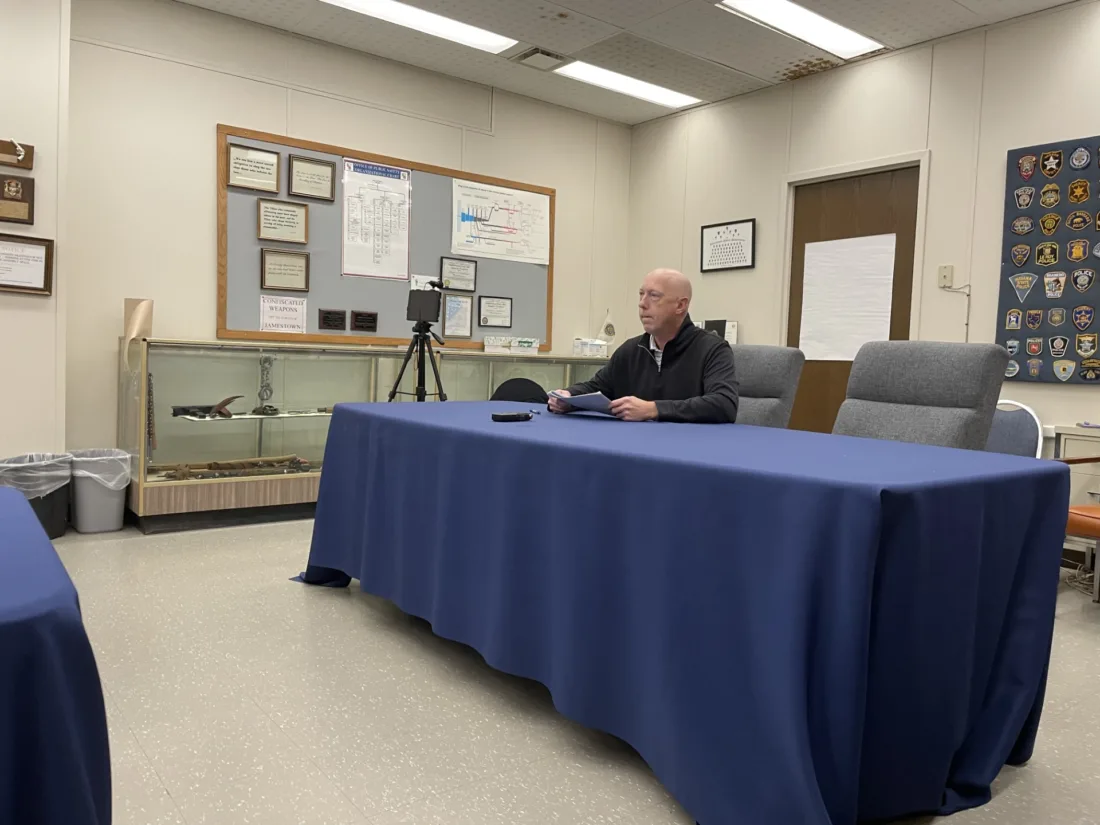
Mark Dean, city director of information and technology, presents his budget to the City Council. P-J photo by Sara Holthouse
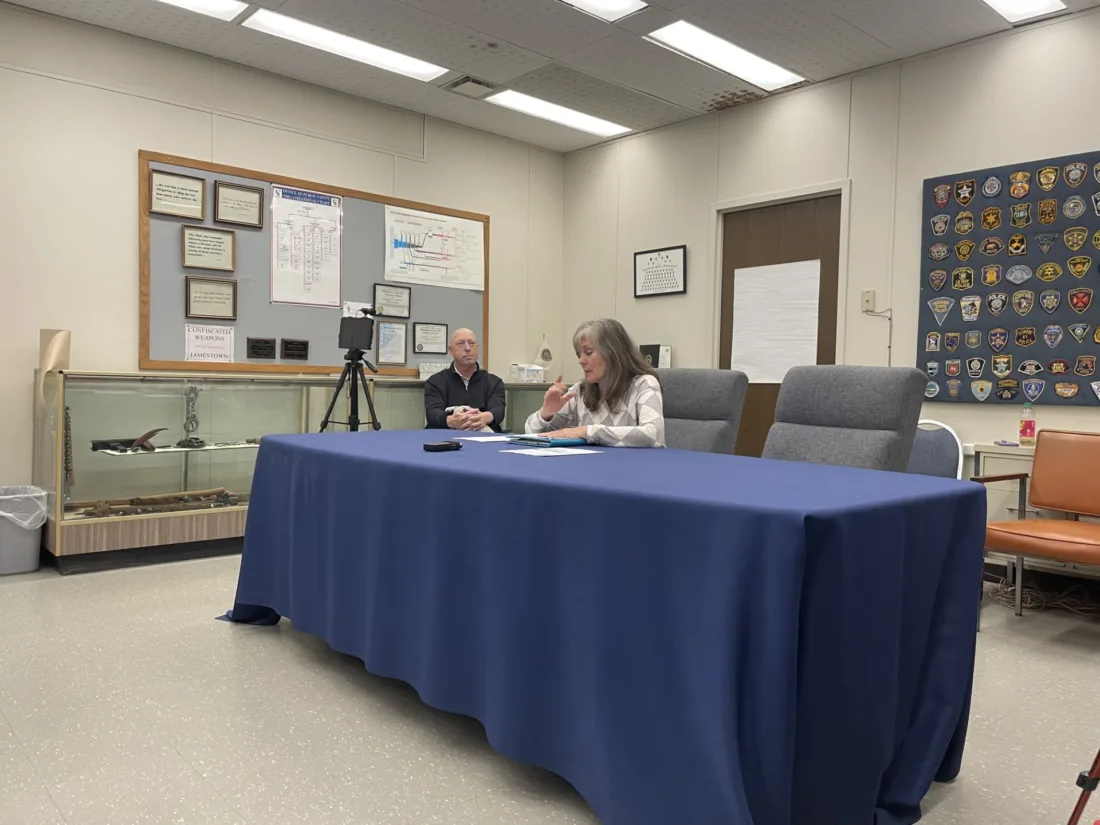
City Assessor Heather Young-Deyell presents her office’s budget to the City Council. P-J photo by Sara Holthouse
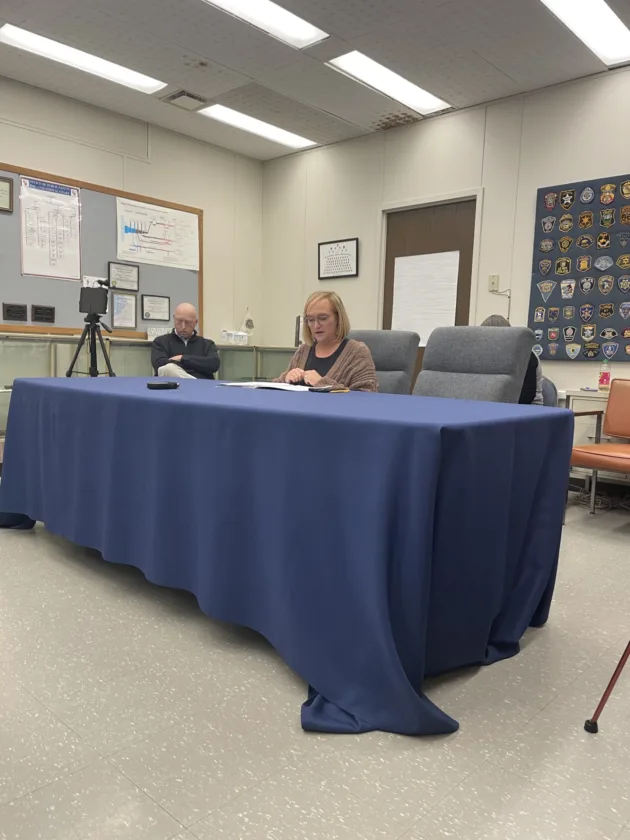
Joni Blackman, Fenton History Center executive director, is pictured discussing the Fenton’s roof project and other budget items with the City Council. P-J photo by Sara Holthouse
Mark Dean, city director of information and technology, presents his budget to the City Council. P-J photo by Sara Holthouse
City Assessor Heather Young-Deyell presents her office’s budget to the City Council. P-J photo by Sara Holthouse
Joni Blackman, Fenton History Center executive director, is pictured discussing the Fenton’s roof project and other budget items with the City Council. P-J photo by Sara Holthouse
Trending
Jamestown's assessor wants to renew old efforts to get tax-exempt properties to make voluntary PILOT payments to the city.
The final budget presentations for the 2027 city budget were given Monday night, and among those presentations were departments such as the Assessor's Office, Information Technology department and the Fenton History Center.
Assessor Heather Young-Deyell noted during her presentation that 39% of the city's assessed value is tax exempt property, which was also mentioned as a part of the executive budget. There are tax exempt property owners within the city that pay voluntary pilot payments to the city because they recognize they utilize services such as police and fire but do not pay property tax to help fund them.
"I think a way to help capitalize on that moving forward would be to connect with all of the tax exempt property owners and work with them to set up an agreement moving forward in a way that we can reestablish some of this revenue," Young-Deyell said. "Even though they're tax exempt, they're still utilizing our police and fire services."
This is something that city council said has been talked about and asked about for years and no one has been able to do anything about it before, and it was said that this is something that should be done. Most facilities included in this list are; WCA, Chautauqua Center, WCA Jones Memorial Facility, Gerry Homes, National Comedy Center, and Fourth Street Housing. These are all highly assessed properties, Young-Deyell said, that are tax exempt with a relatively high number of police and fire calls.
Young-Deyell also mentioned the possibility of doing a reassessment project in the future, noting the unpopularity of that term because people think it means taxes will go up.
"This is not true for many property owners," Young-Deyell said. "When we say reassessment we are simply redistributing a tax base that already exists. If a tax levy that you create remains relatively unchanged but we increase the tax base, we would be able shift the rate downward and collect less from each individual per thousand of assessed value."
These projects, she added, operate on a third, third, third rule, meaning a third of the property values go up, a third stay relatively the same and a third see their taxes decrease. Young-Deyell also noted that not everyone's property taxes would go up the same percentage. She also briefly discussed the differences between the city's lower and higher housing stock, potential negative impacts on property owners' STARs when equalization rates shift, the city's responsibility to the school in regards to this, and the previous 2004 to 2006 project, which was noted to have been expensive. Doing another project would be much less because of the city having mostly current data.
For the Fenton History Center, the biggest budget item of concern remains the roof.
Executive Director Joni Blackman presented their budget to council, saying that while most numbers have not changed, there is still a focus on the roof.
"It's patched for the winter," Blackman said. "It's not leaking anywhere. There is a state grant with the consolidated funding application that was put in at the end of July by the grant writer here for $675,000 from the state. We won't know until spring sometime."
$1.2 million is the number from the consultants for the new roof, though Blackman said architects have told her the cost is nowhere near that amount. She also noted the right architect is needed for the Fenton's specific kind of roof to be able to look at and know that, and that the state will discern that fairly quickly. When the city bought the building in 1919 the roof was tin, and since then a rubber roof has been put on top, with two or three more layers since. Blackman said they have been told by the state that the roof replacement can be another rubber roof.
Other items of note from the Fenton included the natural gas bill, inspection, maintenance and utilities costs.
Director of Information and Technology, Mark Dean, said for his department, items of note include salaries, maintenance costs and dues and subscriptions. This includes a line for disaster recovery.
"So if any of our servers go down those are up 24/7 and we can access those even if we're not in the building," Dean said. "If the building was destroyed, we'd still have access to that. We have a server on site that backs up the four main servers we have and every hour on the hour it takes a snapshot of every server."
There is a cloud based storage involved as well, Dean said, that pulls that snapshot from the server into the cloud. If any server goes down for any reason, IT can set up an offsite place for remote access. The server keeps about a year's worth of backups.
Other items of note included travel and training, other backups such as for Microsoft Office and an on site backup, software updates, the city's cybersecurity package, cybersecurity training, and computer equipment.