
YMCA eyes more child care spots with $978K project
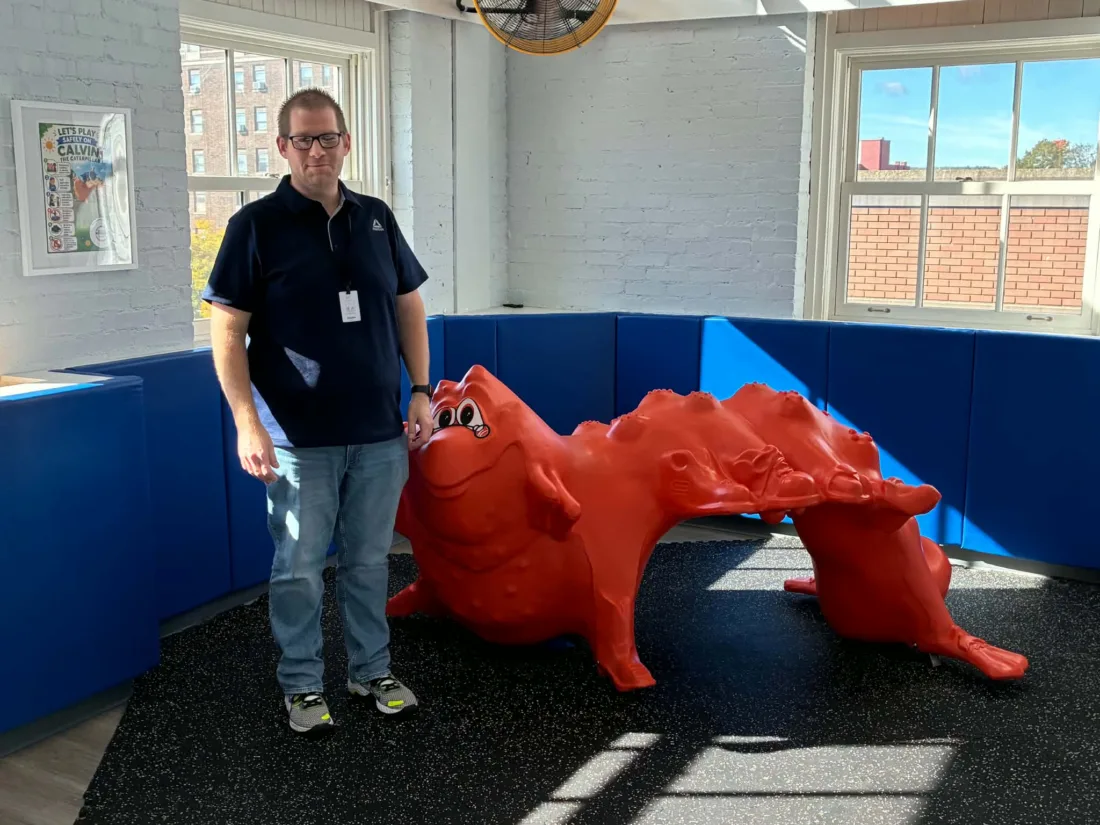
Shane Monroe, the associate director of the Young Women’s Christian Association, stands in a newly renovated gym space on the third floor of YWCA's 401 N. Main St. location. The YWCA renovated the third floor to support its childcare programming, and the first floor is currently under renovation as part of New York State’s Office of Children and Family Services $100 million investment to help combat areas defined as “Child Care Deserts.
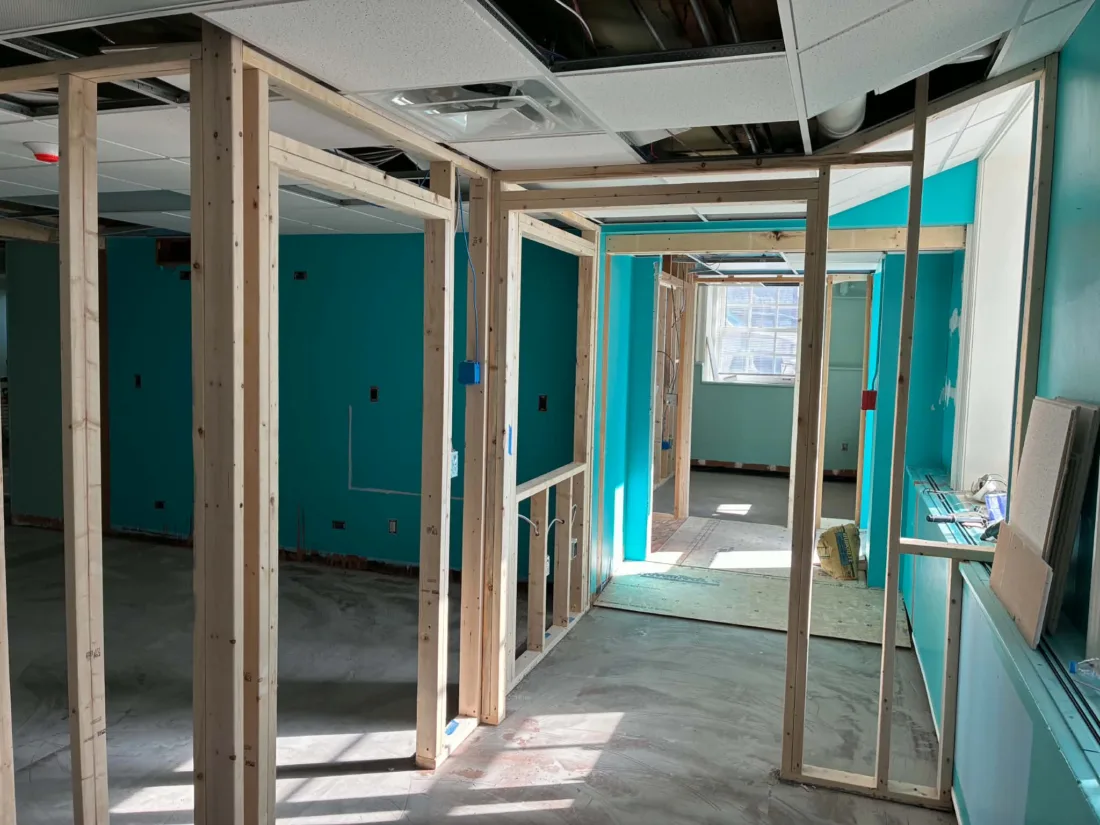
The first floor of the Young Women’s Christian Association, located at 401 N. Main St., is undergoing renovations to accommodate expanded childcare programming as part of a nearly $ 1 million project funded by a New York State Office of Children and Family Services grant.
Shane Monroe, the associate director of the Young Women’s Christian Association, stands in a newly renovated gym space on the third floor of YWCA's 401 N. Main St. location. The YWCA renovated the third floor to support its childcare programming, and the first floor is currently under renovation as part of New York State’s Office of Children and Family Services $100 million investment to help combat areas defined as “Child Care Deserts.
The first floor of the Young Women’s Christian Association, located at 401 N. Main St., is undergoing renovations to accommodate expanded childcare programming as part of a nearly $ 1 million project funded by a New York State Office of Children and Family Services grant.
Trending
The YWCA of Jamestown is looking to add child care capacity in its Fourth Street building.
The state Office of Children and Family Services defines a "childcare desert" as not having enough licensed/registered child day care slots to adequately serve the number of children in a geographic area. The state agency has designated the city of Jamestown, along with several nearby villages, towns, and municipalities, as an epicenter of childcare deserts for Western New York. .
The Young Women's Christian Association of Jamestown is working to ease some of the childcare desert challenges by repurposing two floors at 401 N. Main St. into space for child care programs.
"For more than 120 years, the YWCA Jamestown has continued to evolve to meet the changing needs of our community," said Amanda Gesing, executive director of the YWCA of Jamestown. "Over the years, this building has served many purposes, from housing a bowling alley and restaurants to providing a space for teens and families. This $978,000 renovation represents the next chapter in that history and, most importantly, an investment in the future of our children. Thanks to the support of the New York State DASNY Child Care Expansion Grant, we are not only refreshing our existing childcare spaces but expanding our capacity with three additional classrooms, allowing us to serve more infants, toddlers, and preschoolers. From improved classroom accessibility and safety features to upgraded kitchen facilities, every aspect of this project is focused on creating a safe, welcoming, and supportive environment where children can learn, grow, and thrive. We are excited to continue building on our legacy of service and anticipate celebrating the grand opening of our renovated childcare space in December or January."
According to some members of the YWCA leadership team, the entire first and third floors of the YWCA building have been converted or are being converted into childcare centers, designed with a focus on the children’s needs, safety and welfare.
"The entire third floor has been remodeled, and the first floor is under construction," said Shane Monroe, the YWCA’s associate director. "We've added new security protocols; added child-height sinks, toilets, desks and chairs; new lights, outlets and top-to-bottom paint, matching floors, carpets and hallways."
Monroe reported that the enhanced security features include two-door barriers, password- and badge-protected door locks, security cameras, and check-in locations throughout the building.
"We've met and/or exceeded every requirement that NYS OCFS requires," he said.
Monre said the nearly $1 million upgrade and remodel will add 30 additional childcare spaces, bringing the total number of children the YWCA can serve at its downtown location to about 109.
"We've added two infant rooms, two toddler rooms, and four three-to-five-year-old rooms – with two rooms dedicated to hosting Universal Pre-K classrooms and two for traditional childcare," said Monroe.
Monroe said he, the YWCA leadership team, teachers, and childcare professionals at the YWCA collaborated on the new rooms’ design and layout.
"Everything was a group effort from the ground up,” he said. “We ensured that the childcare workers on the front lines for us were included in the design layout. It was a collaborative effort among everyone involved – all focused on meeting the needs of the children in our care and serving the community."
Monroe stated that the last major renovations to the YWCA building occurred in 2004.
"Updating this facility is a crucial step forward, as the organization aims to address the community’s needs in a meaningful way," he said.
New York state identified $100 million to build and expand child care capacity in areas with the least supply. Utilizing funding from the American Rescue Plan Act (ARPA), child care desert funding represents an unprecedented opportunity and investment to build capacity and strengthen the state's economy by addressing the issues that impact businesses, including chronic absence, productivity reductions and turnover due to inadequate options for quality child care in the most needed parts of the state.