
Alliance board eyes 2027 with lake consultant
Trending
=The Chautauqua Watershed and Management Alliance board met with AJ Reyes of GEI Consultants recently to review the year's lake and watershed work and discuss 2027 funding.
This was the first year of the alliance's expanded 18-person board, which now drives improved coordination and communication between stakeholders.
Reyes, a certified lake manager and outside advisor to the alliance, made in-person visits to Chautauqua Lake twice this season and met with the public and DEC in August to field questions on management and planning. Key points from 2026 on the lake include: generally lower levels of nuisance plant growth than the previous season; Chautauqua Lake Partnership herbicide treatments of around 530 acres; Chautauqua Lake Association removal of 6.3 million pounds of plants and debris; significant but not abnormal numbers of algae blooms; and targeted removal of invasive starry stonewort.
The towns of Chautauqua and North Harmony wrapped up state grants funding the diver-assisted suction harvesting of starry stonewort, removing around seven tons of material from Prendergast Point and Ashville Bay this summer. In coordination with Everwild Land Trust, this targeted DASH work was paired with bulk mechanical removal by CLA and the town of Chautauqua over the past two years. Reyes and GEI are drafting a starry stonewort management plan for the lake, and organizing an independent Technical Advisory Group to provide outside expertise to the local team. A key recommendation for 2027 is to continue starry stonewort removal as well as research to assess the effectiveness of work and determine which tools work best to combat the species.
During his discussion with the board, Reyes noted that the number of algae blooms reported to the state's database is generally in line with previous years. During their visits to the lake GEI staff viewed several blooms and discussed the impact with residents and service providers, but did not observe major impairments caused by plants. Still pending are the results of the state's internal nutrient loading study by Ramboll, a key piece of the algae bloom puzzle. The lake community is also awaiting the results of North Carolina State's 2026 plant survey. CLP has coordinated lakewide surveys by NCSU for several years now, which are used to track changes in the plant community over time and guide management.
The alliance's proposed 2027 work plan focuses on the core programs of members, along with new proposals for stormwater management projects and capital investments. Core work includes mechanical and chemical plant management; lakewide and shoreline cleanup; watershed improvement; plant surveys; and invasive species. Communication and collaboration between members remains a top priority after the major steps forward in 2026.
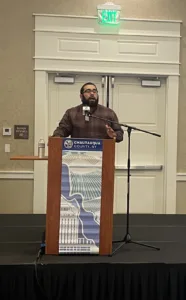
Reyes said he was pleased to meet with the public in August alongside DEC and the alliance board.
"We thank those who took the time to attend and are staying up-to-date with alliance communications like our briefly updates, annual reports, and online data dashboard," alliance board members said in a news release. "Partners including GEI, Ready Scout, CLA, and CLP developed a South Basin strategy for 2026 to create navigation zones after the issues experienced in 2025. Thankfully, nuisance plant growth was not a severe problem, and the strategy remains in the playbook until it is needed. With the first year of the expanded board drawing to a close we thank all of our directors for volunteering their time and effort to help improve the lake and watershed, and look forward to beginning 2027."