
Going Boldly: Jamestown’s connection to 60 years of Star Trek
Jamestown\\\'s connection to 60 years of Star Trek
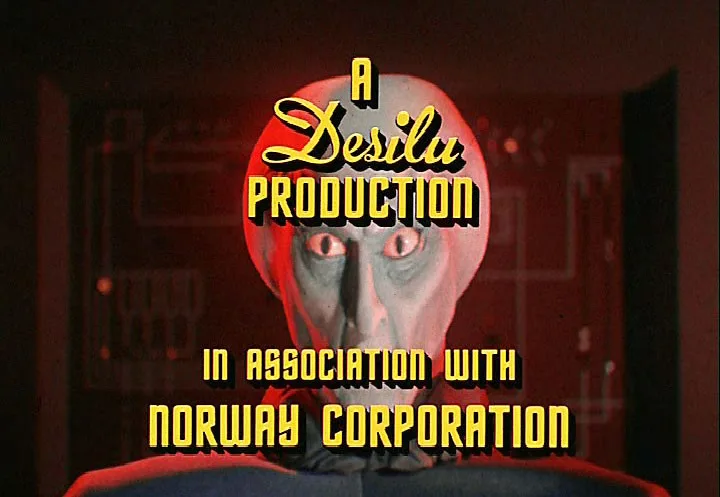
The end credits to the original 1960s Star Trek series included this card noting the series was produced by Desilu Studios, which was owned by Lucille Ball and Desi Arnaz.
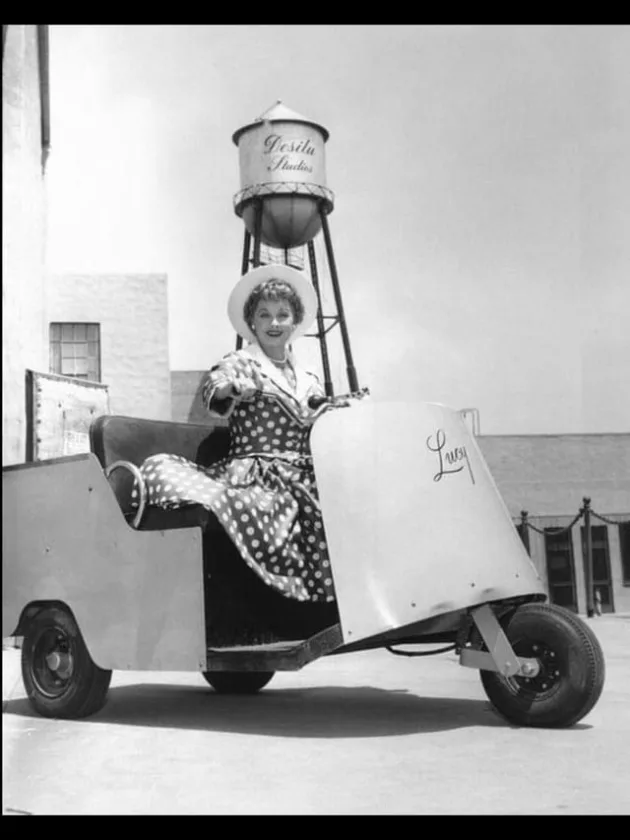
Lucille Ball is pictured on a golf cart on the site of Desilu Studios.
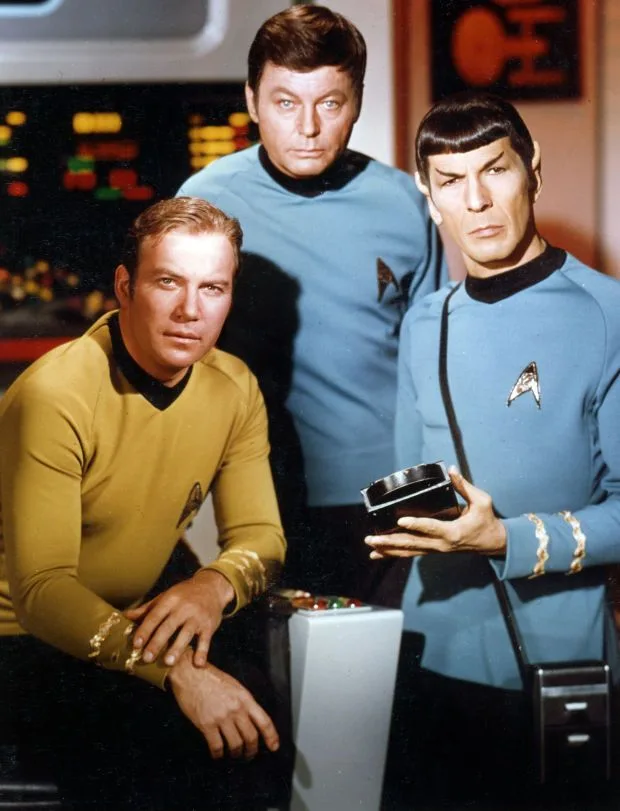
William Shatner, DeForest Kelley and Leonard Nimoy are pictured in a publicity photo for Star Trek.
The end credits to the original 1960s Star Trek series included this card noting the series was produced by Desilu Studios, which was owned by Lucille Ball and Desi Arnaz.
Lucille Ball is pictured on a golf cart on the site of Desilu Studios.
William Shatner, DeForest Kelley and Leonard Nimoy are pictured in a publicity photo for Star Trek.
Trending
Jamestown may seem an unlikely place to find an important chapter in the history of Star Trek. But as the legendary television series celebrates its 60th anniversary this week, Lucille Ball’s hometown has a remarkable connection to the final frontier.
Sixty years ago last night, on September 8, 1966, at 8:30 p.m., television audiences across America first boarded the USS Enterprise as Star Trek premiered on NBC. What began as an ambitious and expensive science-fiction series would grow into one of the most influential franchises in entertainment history, inspiring generations of scientists, engineers, astronauts, writers and dreamers - and creating a worldwide community of fans that continues to grow six decades later.
And behind Star Trek’s unlikely journey to television was a studio built by Jamestown’s own Lucille Ball and her husband, Desi Arnaz.
Desilu Productions didn’t create Star Trek. That extraordinary vision belonged to writer and producer Gene Roddenberry. After MGM passed on the concept, Desilu provided the creative home, production facilities and experienced production teams - from set builders and scenic artists to camera, lighting, makeup and wardrobe crews - that helped Roddenberry and his producers and writers bring that vision of the future to television.
Roddenberry envisioned more than a science-fiction adventure. Star Trek imagined a future in which people of different nations, cultures and even worlds worked together in pursuit of exploration, discovery and understanding. The bridge of the Enterprise, led by Captain James T. Kirk, reflected that hopeful vision through one of network television’s most diverse casts, while Mr. Spock, the half-human, half-Vulcan science officer, challenged audiences to see difference not as something to fear, but as a source of strength.
I LOVE LUCY ROOTS
But the story of how Roddenberry’s vision reached television begins years earlier with I Love Lucy.
Just three nights ago, I Love Lucy became the first television series ever to receive the Television Academy’s new Legacy Award, recognizing its profound and lasting impact on television and American culture. That legacy extends in some surprising directions - including all the way to the final frontier.
The success of I Love Lucy enabled Ball and Arnaz to transform Desilu from a small independent production company into one of Hollywood’s most influential television studios. In 1957, Desilu acquired the former RKO Pictures production facilities, expanding its operation to 35 sound stages across three studio complexes in Hollywood and Culver City - including the iconic Forty Acres backlot, where King Kong and Gone with the Wind had been filmed and which television audiences would later know as Mayberry on The Andy Griffith Show.
I Love Lucy had already helped revolutionize television production, pioneering the three-camera film technique before a live studio audience and helping establish the modern television syndication model. Desilu also earned a reputation for taking creative risks, with series like The Untouchables pushing the boundaries of network television.
In 1962, following Desi Arnaz's departure from the company, Lucille Ball took over Desilu, becoming the first woman to lead a major Hollywood studio. She was now solely in charge of one of the industry's most impressive production operations – and soon faced one of its boldest decisions.
At a time when westerns, detective series and family sitcoms dominated television, Star Trek demanded expensive visual effects, elaborate sets, ambitious storytelling and production techniques that pushed the boundaries of weekly television production.
Desilu embraced the challenge.
Working with Desilu executive Herbert F. Solow, Roddenberry developed the series on the Desilu lot, while Desilu helped shape the project and sell it to NBC. The studio - and Lucille Ball herself, who overruled her board of directors to support the project - took a considerable financial risk, backing two expensive pilots and continuing to deficit-finance Star Trek after NBC ordered it as a series.
The connections between Desilu, Lucy and Star Trek extended remarkably deep.
Marc Daniels, who directed the entire first season of I Love Lucy, went on to direct more episodes of the original Star Trek than any other director. Desilu casting executive Joe D’Agosta, whose work included The Lucy Show, helped assemble the casts for both Star Trek pilots and the original series. And Desilu music director Wilbur Hatch, who conducted the Desi Arnaz Orchestra on I Love Lucy, recommended longtime colleague Alexander Courage to Roddenberry to compose Star Trek’s unforgettable title theme.
Gene Roddenberry’s future wife, Majel Barrett - who would become one of the most enduring figures in Star Trek history - had an especially remarkable Lucy connection. Years before Star Trek, Barrett was a member of Lucille Ball’s Desilu Workshop for promising young performers and was signed to a contract with the studio. She later played “Number One” in the original Star Trek pilot, Nurse Christine Chapel in the series and Lwaxana Troi on Star Trek: The Next Generation, while also becoming the familiar voice of Starfleet computers. She married Roddenberry in 1969 and became affectionately known as the “First Lady of Star Trek.”
The visual-effects firm Howard A. Anderson Company, based on the Desilu lot, provided another connection. After creating the familiar Desilu end-logo animation and satin-heart opening for syndicated I Love Lucy, the company went on to create the shots of Star Trek's USS Enterprise traveling through space, along with iconic visual effects like the transporter effect and phaser beams.
These are just a few examples of how deeply the histories of Desilu and Star Trek intersect. Ball and Arnaz had built a remarkable studio - one with the facilities, skilled production teams, creative collaborators and willingness to take chances on ideas that could push television forward. Under Lucille Ball’s leadership as studio head, Roddenberry’s vision of the future found a home there.
FULL CIRCLE MOMENTS
And what happened next provides one of television history’s great full-circle moments.
Star Trek was only a modest success during its original three-season NBC run. Its transformation into a cultural phenomenon came largely afterward, when syndicated reruns introduced the series to millions of new viewers. The same television syndication model that I Love Lucy helped pioneer ultimately helped Star Trek reach the enormous audience that had eluded it during its original network run.
Sixty years later, Star Trek encompasses generations of television series, feature films, books, conventions and fans around the world. But perhaps its greatest legacy remains the idea at the heart of Roddenberry’s creation: that our future can be better than our present, and that people who are different from one another can explore it together.
As a Star Trek fan for 56 years, I find something particularly meaningful in knowing that part of this extraordinary story leads back to Jamestown - and I think our community should be proud to be part of that legacy. Gene Roddenberry imagined the future. Lucille Ball and Desi Arnaz built a remarkable studio. Under Lucille Ball’s leadership, that future found a home.
For those of us at the National Comedy Center and Lucy Desi Museum, it is a remarkable reminder that one studio helped change television not once, but twice - first through I Love Lucy, and then by giving Gene Roddenberry the opportunity to boldly bring his vision of the future to television.
Gary Hahn is Vice President of Marketing and Communications for the National Comedy Center and Lucy Desi Museum