
Panama to examine BESS moratorium
Trending
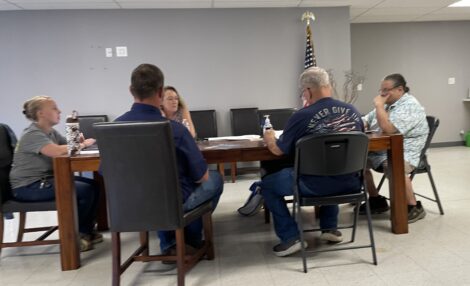
PANAMA -- Receipt of a letter from the Chautauqua County Board of Health is prompting Panama Village Board members to discuss a battery energy storage system moratorium.
The letter from the county was read as part of the communications section of the village's July meeting, detailing the Board of Health looking to assist local municipalities as they consider ideas like this, including both pros and cons that can come with having battery storage or wind operations within municipal borders. The letter also details community members of local municipalities expressing concerns to the board of health including about noise, shadow flicker, visual impact, proximity to residents' properties specifically for wind turbines, safety and air quality, and emergency response.
The letter also discusses concerns expressed from other municipalities, saying that the Board of Health is dedicated to helping wherever a public health concern is brought up, even as the science is still being worked on and evolving. The letter encourages municipalities to maximize setbacks and minimize decibel levels to ensure community safety.
"We need to figure out if we would like to put in some type of wording about long-term battery storage facilities, which could come into play in Panama," Mayor William Schneider said. "I don't see wind turbines coming into play in Panama."
With permission from the board, Schneider said he would like to move forward and work with Code Enforcement Officer, Melanie Eddy, to see what other municipalities have been doing. He said Eddy has been working on it for a while already, and the village had not been ready to break that out yet but the letter gives the situation a bit more urgency. Schneider also noted in the news there have been multiple local municipalities trying to put in moratoriums on battery storage facilities.
"So I guess we need to do our homework between now and our next meeting and have a discussion in old business next meeting on where we'd like to stand on that and how it best fits in our community, and if it does fit in our community," Schneider said.
Schneider noted a solar facility going in on Blockville-Watts Flats Road and a proposed facility on Swede Road as well, both with the potential to have an effect on the village. Schneider and Eddy will be working between now and the next meeting of the village to find out what other municipalities are doing and see what the village might want to do.
The letter not only addresses wind turbines, but also Battery Energy Storage Systems.
In the letter, the Board of Health notes its limit on what it can do.
"While our organization does not have regulatory authority over zoning or land use decisions, we are committed to supporting municipalities by sharing public health perspectives grounded in available scientific evidence and community experience. In this role, we aim to assist local leaders as they weigh the potential benefits and risks associated with these projects," it states.
At the last few Board of Health meetings, county residents have been in attendance, noting how their health has been affected by the current wind turbines.
The letter acknowledges their concerns, while also acknowledging the importance of green energy.
"We recognize that renewable energy development and energy storage technologies are important components of broader energy strategies. At the same time, members of our communities have expressed concerns related to potential health and quality-of-life impacts. These concerns include, but are not limited to, noise, shadow flicker, and visual impacts especially associated with increased numbers and proximity of wind turbines to residential properties as well as fire safety, air quality, and emergency response considerations related to battery energy storage systems," the letter states.
The Board of Health notes the importance of a "thorough and transparent review process that incorporates environmental health, and community considerations."
The review process may include the following:
- Reviewing the local, state, and international building codes that govern these specific structures;
- Making pertinent updates to local municipal codes following the review;
- Reviewing the most current and credible scientific evidence;
- Considering cumulative and long-term impacts on surrounding communities;
- Ensuring meaningful community engagement and opportunities for public input;
- Evaluating emergency preparedness and response capacity, particularly for battery storage facilities;
- Consulting with independent experts where appropriate.
Gregory Bacon contributed to this report.