
Lawmaker proposes microfiber filters for washing machines
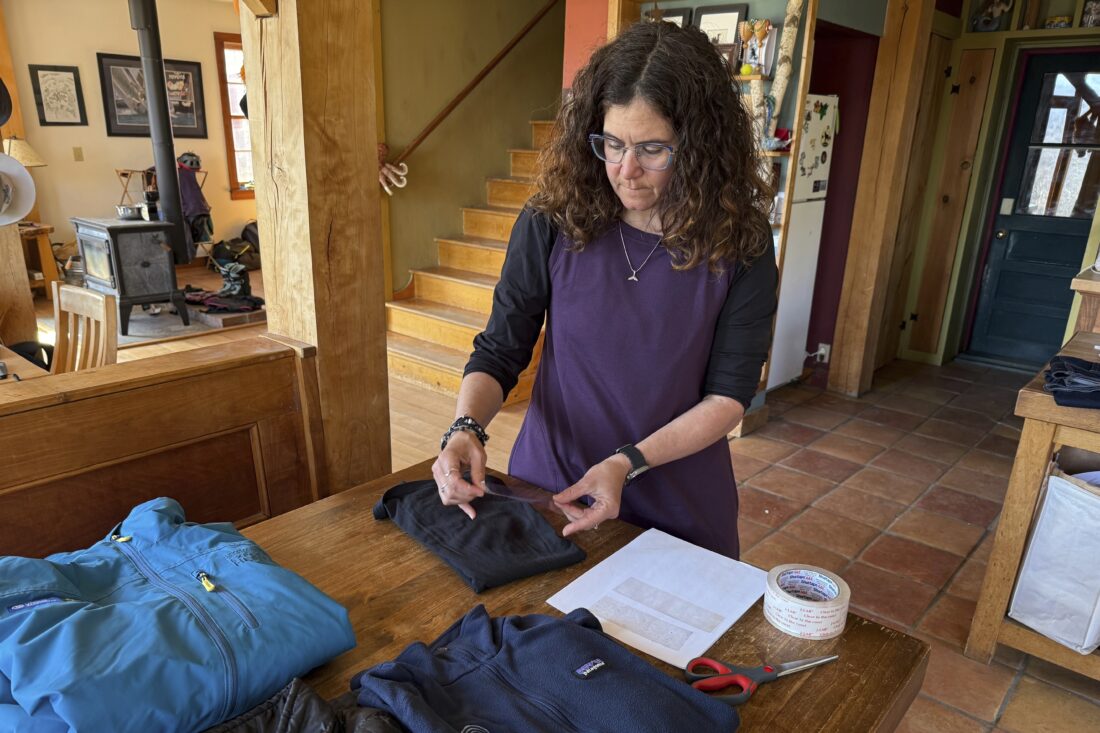
Rachael Z. Miller, founder of the Vermont-based Rozalia Project for a Clean Ocean, conducts a tape test on various clothing items to compare how much each material sheds microfibers on Thursday, April 17, 2025, in Granville, Vt. AP Photo by Amanda Swinhart
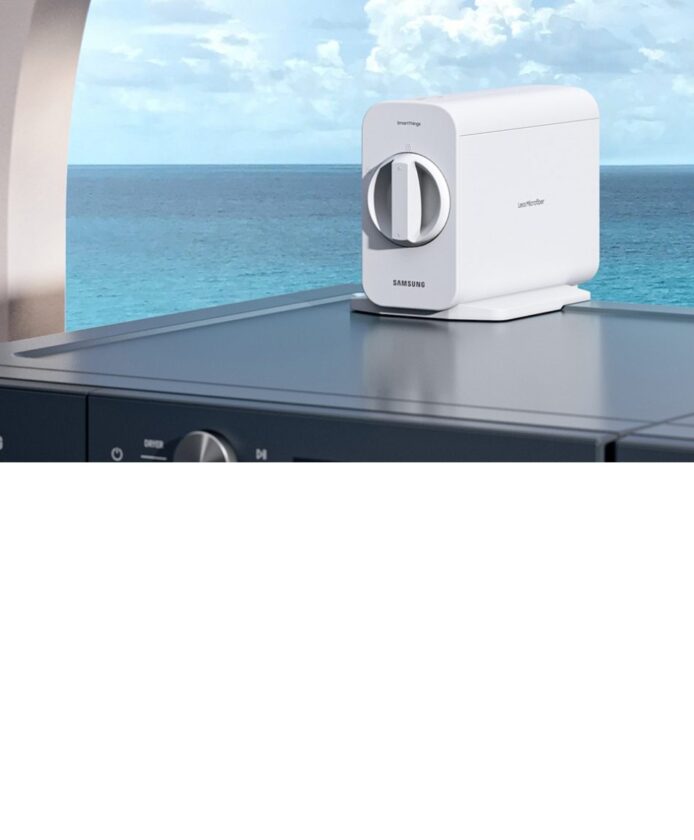
An external microfiber filter for a washing machine is pictured in this product release photo issued by Samsung in 2023.
Rachael Z. Miller, founder of the Vermont-based Rozalia Project for a Clean Ocean, conducts a tape test on various clothing items to compare how much each material sheds microfibers on Thursday, April 17, 2025, in Granville, Vt. AP Photo by Amanda Swinhart
An external microfiber filter for a washing machine is pictured in this product release photo issued by Samsung in 2023.
Trending
Assemblywoman Anna Kelles isn't coming for anybody's washing machines – but she wants the machines that are used to filter out microfibers before they are sent into the wastewater streams.
Kelles introduced legislation (A.11609) late in the legislative session that would require the phased adoption of microfiber filtration systems in washing machines sold in the state and in commercial laundry operations. The "Washing Our Clothes Without Polluting Our Water Act" was introduced too late in the session to be considered in 2026, but could be on the legislative agenda in 2027 when a new legislative session begins.
"Filtration systems in washing machines are seen as an effective strategy for capturing microfibers before they enter wastewater effluent and the environment. Studies have shown that microfiber filters can capture up to 78% of all microfibers. ... This legislation establishes a phased approach that allows manufacturers sufficient time to develop, test, and deploy filtration technologies, through developed performance standards in consultation with the DEC," Kelles wrote in her legislative justification.
The legislation would amend the state Environmental Conservation Law by adding a new section requiring producers of washing machines sold in the state to submit plans to the DEC that describe how the manufacturer will meet the microfiber filtration system standard for machines sold in New York, describe testing methods to be used, what incentives will be used to encourage retailers to sell washing machines equipped with microfiber filtration systems, outreach and education for consumers and a way to estimate what percentage of the manufacturer’s washing machines are sold each year in New York with microfiber filtration systems. Those plans would be required by Jan. 31, 2031.
All new washing machines sold after Jan. 1, 2032, would be required to have a label or sticker saying the machine has a filtration system to capture microfibers as well as instructions telling the machine’s owner how to check the filters or other features and dispose of any fibers or microfibers that are captured. Retailers will need to make sure the washing machines they sell after Jan. 1, 2032, are listed on a state website listing approved companies and washing machine brands.
If Kelles’ bill is approved, commercial laundry services won’t be able to operate without a microfiber filtration system for all washing machines in use. The bill’s text states commercial laundry facilities can comply by using machines with microfiber filtration systems built in, by installing external microfiber filtration systems that serve one or more machines or a combination of internal and external filtration systems.
State standards will require that any filtration systems can remove fibers and microfibers that are 10 micrometers or larger from water used across all washing cycles. Kelles proposes 10% of all washing machines sold in 2032 be equipped with filtration systems, with that number increasing to 55% of all machines sold by 2034 and all machines sold by 2036.
Any washing machine producer, retailer or commercial laundry service violating the law, if passed, could be fined $500 for each violation and an additional penalty of no more than $500 for each day the violation continues.
Samsung Electronics collaborated with Patagonia and the global conservation organization Ocean Wise to launch washing machines with microfiber filters in 2023. It's now sold in more than 20 countries for front-load washers. Bosch recently launched a microfiber filter in Europe for washers. France was first to adopt a law to mandate that new washing machines sold in the country have a microfiber filter, though implementation has been delayed.
In the U.S., efforts to mandate filters in states have failed. California Gov. Gavin Newsom vetoed a bill in 2023, saying he was concerned about the cost to consumers and he wants to incentivize, not mandate, technologies to remove microfibers in wastewater. In Oregon, state Sen. Deb Patterson proposed a bill this year requiring microfiber filters on new washers sold in that state after she came across the technology in Canada. Patterson said the bill doesn't have enough support yet but she'll keep trying.
The Association of Home Appliance Manufacturers has opposed proposals similar to Kelles' in the past, saying it's concerned about consumer costs and filter effectiveness.
"AHAM recognizes the need to reduce microfibers and has worked with NSF International on testing to explore the effectiveness of filters as part of the solution,” the association states on its website. “The testing results showed that the filters would be largely ineffective, capturing only 25 percent of microfibers estimated to have been released during the wash cycle. The filters also created several problems, including, in some cases, doubling the amount of water needed per cycle. Clogs in the filters were common, creating a household flooding risk.”