
Mission Shaper: Jamestown Native Works On NASA’s Artemis II, Receives Special Invite To Launch
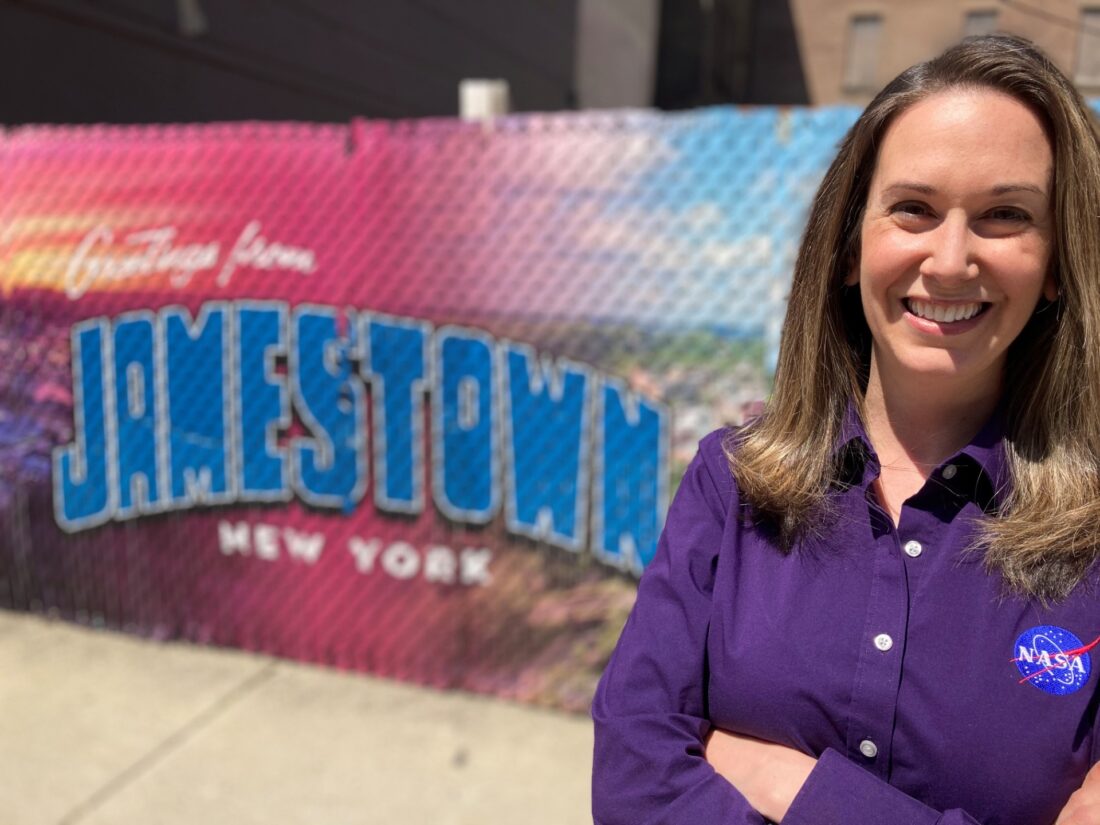
Pictured is Laurie Abadie, a 1997 graduate of Southwestern School, who now has a career at NASA and was involved in the Artemis II project, which officially launched on Wednesday. Submitted photos
-
- Pictured is Laurie Abadie, a 1997 graduate of Southwestern School, who now has a career at NASA and was involved in the Artemis II project, which officially launched on Wednesday. Submitted photos
-
- Laurie Abadie and her family in November 2024 at NASA’s Neil Armstrong Test Facility in Sandusky, Ohio, standing in front of the Orion vehicle that launched on the Artemis I mission.
This mission has a local connection, with Jamestown native Laurie Abadie — a 1997 graduate of Southwestern School — playing a role in bringing the mission to life, also receiving a special invitation to view Wednesday’s launch.
“My interest in space has always come from a sense of curiosity–wanting to understand how we explore, how we push boundaries, and how science can shape what’s possible,” Abadie said. “NASA represents the intersection of discovery, teamwork, and purpose, and that drew me in early. My family and friends have continually supported my passion for space, which evolved into a career at NASA.”
Abadie’s path to working on Artemis II began years ago when she was a NASA cooperative student or intern, alternating between college semesters studying Aerospace Engineering at the University At Buffalo, and working at the NASA Johnson Space Center in Houston, Texas. After graduation she began working as a NASA Flight Controller in Mission Control, then transitioning to NASA’s Human Research Program, where she is now. In her position as an aerospace engineer, Abadie is responsible for leading NASA’s strategy, coordination and integration for Artemis II and Mars mission planning, and she added she is “fortunate to work alongside teams who contribute directly to protecting astronaut health and enabling human exploration.”
“Working on Artemis has been an extraordinary endeavor that brings together people and expertise from across NASA and our partners,” Abadie said. “It spans everything from science and engineering to mission operations, payload integration, safety, and public engagement. Every element of the mission comes from countless hours of collaboration amongst teams all over the world. Being a small part of this effort means working within a massive network of passionate individuals who are focused on one shared goal: returning humans to the Moon and preparing for the next era of space exploration to Mars.”
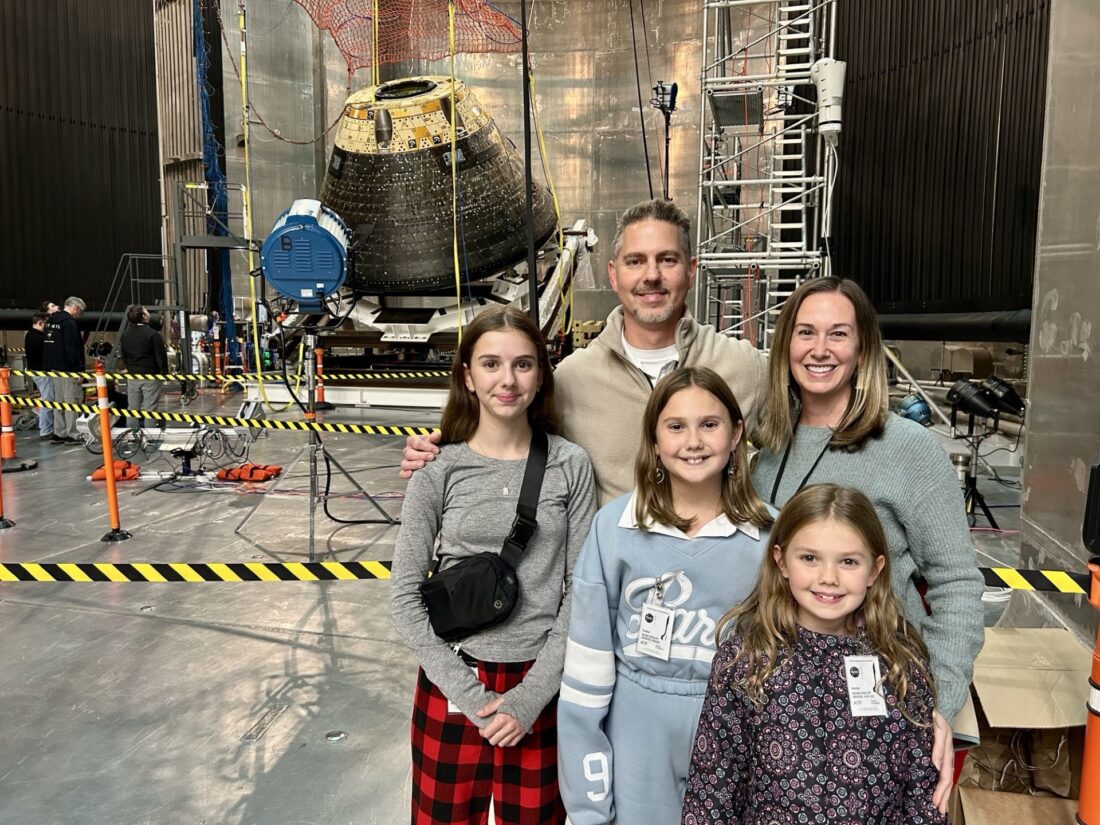
Laurie Abadie and her family in November 2024 at NASA’s Neil Armstrong Test Facility in Sandusky, Ohio, standing in front of the Orion vehicle that launched on the Artemis I mission.
While Wednesday saw the official launch of Artemis II on their mission, Abadie said the launch window was from April 1 to April 6, and it was also livestreamed on NASA’s YouTube channel. If there had been bad weather or an unexpected technical issue, the next launch attempt would have begun on April 30, but Wednesday’s launch attempt saw no issues and Artemis II officially launched from the Kennedy Space Center. The mission is expected to last 10 days.
“Launch preparation is a carefully choreographed effort that involves hundreds of people and many layers of planning,” Abadie said. “Teams refine requirements, verify systems, integrate payloads, confirm readiness across every discipline, and align all operational elements that support the mission. Every detail–technical, logistical, and public‒facing–must come together at exactly the right moment.”
Abadie and her family received a special invitation to the launch as official NASA guests. They did have to pay for travel, but Abadie said they were given a special viewing area, and receiving the invite meant a lot.
“It’s incredibly meaningful,” Abadie said. “Being invited to witness the launch in person is both an honor and a reminder of what a privilege it is to contribute to work that has such a profound impact. It’s also emotional–seeing the culmination of years of effort, knowing the dedication and teams behind it, and being able to share that moment with family is something I’ll always remember.”
For anyone out there looking to follow in her footsteps, Abadie said following their dreams and being willing to step outside of their comfort zone are some of the most important things people can do.
“You can do anything you put your mind to,” Abadie said. “Follow your dreams. This was the sage advice from my wonderful parents that has carried me through my life. Stay curious, treat people with kindness and respect, show gratitude, and keep learning. Some of the most exciting opportunities come from stepping outside your comfort zone. Be patient with the process, embrace teamwork, and don’t be afraid to take bold steps. Every path is unique–what matters most is passion, persistence, integrity, and a willingness to grow.”
Abadie also encouraged everyone to get involved and to follow their interests, which she said leads people to their passions. Specifically for those interested in learning more about NASA, there are multiple ways to get involved there, whether it is someone who enjoys looking at the stars, a teacher looking for educational material, or a student looking to get involved. NASA has a resources page on their website, www.nasa.gov/learning-resources/.
Overall, Abadie said missions like Artemis II are only possible through teamwork and a community.
“We can do the near impossible when we work together,” Abadie said. “Small steps count, and turn into big leaps that push the boundaries of discovery. So many hands and minds shape a mission like Artemis. Behind every launch are thousands of decisions, conversations, and technical achievements that the public never sees. It truly takes an entire community to make exploration possible. Artemis isn’t just a mission–it’s a symbol of what we can accomplish when we work together, keep pushing forward, and believe in the value of exploration. I hope it inspires the next generation of space explorers.”
Top stories

Protecting The Waters: DEC Releases Algae Bloom Roadmap
Ellicott Police Respond To Homeless, Trespass Complaints
FALCONER - Although progress has been made, safety and compliance problems concerning the homeless population are ...
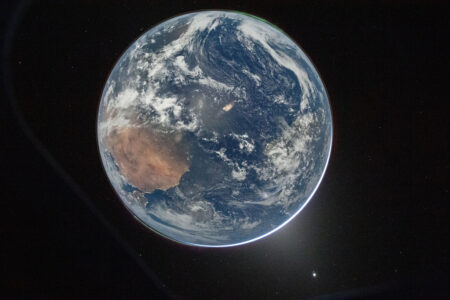
Artemis II’s moonbound astronauts capture Earth’s brilliant blue beauty as they leave it behind
Mission Shaper: Jamestown Native Works On NASA’s Artemis II, Receives Special Invite To Launch

Trial For Hector Rosas Expected This Year
City Man Faces Second Child Porn Charge
John Peterson, 42, of Jamestown was arrested and charged by criminal complaint with distribution and possession of ...