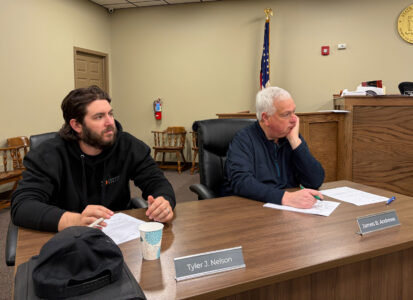
Department Of Public Works Uses Strategic Approach For Equipment, Infrastructure Needs
In both the 2025 and 2026 budgets, the city of Jamestown made the decision to limit new capital projects and investments beyond emergency and public safety needs.
Recently, multiple equipment purchases were approved by the City Council for the Department of Public Works, which is focused on a strategic approach moving forward into the year for equipment and other purchases as needs arise.
“In addition to the fleet-related items discussed at council, the Department of Public Works — like most departments — has ongoing equipment and infrastructure needs, particularly related to fleet replacement and maintenance equipment that support core services such as snow removal, road maintenance, and general operations,” said Mark Roetzer, city public works director. “These are standard, recurring capital needs that are evaluated each budget cycle.”
The decision made by the mayor and council for the 2025 and 2026 budget cycles to limit new discretionary capital investments outside of emergency and public safety needs was a needed one that ensures “that financial decisions are based on the most accurate and up-to-date information, particularly given delays in completing prior audits,” Roetzer added.
Without the completed audit and a complete financial picture, he said it was important for the city to take a cautious and disciplined approach to new spending, and the 2025 audit is expected to be completed on a more typical timeline, which will then leave the city in a better position to evaluate and plan for future capital investments in 2027 and beyond.
“During this time, DPW has continued to address critical operational needs by leveraging available funding sources,” Roetzer said. “ARPA funds were used to support key investments that directly impact DPW operations, including the Fleet Maintenance facility, infrastructure improvements such as sidewalks and park assets, and other projects that improve the department’s ability to maintain and service equipment efficiently. The Fleet Maintenance facility, in particular, is already helping extend the life of existing equipment and improve reliability — an important part of maintaining service levels while managing costs. The city has also made targeted infrastructure investments, including the Minnow Brook culvert project included in the 2026 budget.”
CHIPS funding is also being utilized by the department to support roadway and infrastructure work, as well as targeted equipment purchases, which Roetzer said allows for the department’s continued investment in core services. He added the city also consistently works with grant writer, Paula Pichon, to identify and pursue external funding opportunities that can help offset the cost of essential equipment and capital projects.
“Looking ahead, the city is planning for several significant capital needs, including replacement of aging DPW fleet vehicles such as dump trucks, plow trucks, and patch trucks, necessary repairs to parking ramps, and the Chadakoin River Channel Maintenance project,” Roetzer said “These are large-scale, high-cost projects that require careful financial planning and strategic timing to ensure the department can continue delivering reliable services efficiently.”
Similar to city residents, Roetzer said the city has to navigate significant increases in the cost of goods, services and infrastructure, including continued rises in fuel and diesel prices.
“Just as households are making careful decisions about what to prioritize, defer, and how to manage limited resources, the City must take the same approach–balancing immediate operational needs with long-term obligations,” Roetzer said. “For DPW, this means continuing to deliver reliable core services with existing equipment while taking a thoughtful, strategic approach to future investments.”
Top stories
Regulations Annulled: CLPOA, CLP Win Freshwater Wetlands Act Lawsuits
Department Of Public Works Uses Strategic Approach For Equipment, Infrastructure Needs
In both the 2025 and 2026 budgets, the city of Jamestown made the decision to limit new capital projects and ...
Community Helping Hands Looks Toward Future
Celebrating Again: Historical Series Commemorating Lucille Ball Movie, Homecoming
CLPOA Lawsuit Results In Annulment Of Freshwater Wetlands Act Regulations