State Discussing New Narcan Requirement
In June of last year, legislation was proposed at the state level that would require that various public locations carry naloxone and train staff on the administration of it.
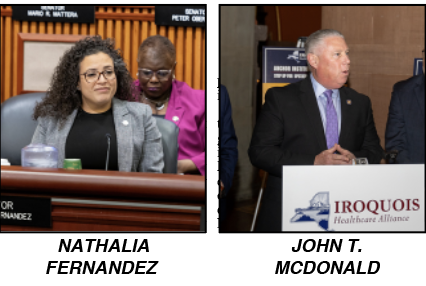
Though legislation already exists allowing these organizations to possess naloxone and train administrators, this legislation would require it. The proposed requirement has caused many to question the effectiveness of these types of measures. The bill (A.6014/S.5779) was initially introduced by John McDonald, D-Albany, in the state Assembly. The legislation would mandate that all school districts, public libraries, boards of cooperative educational services, county vocational education and extension boards, charter schools, and non-public elementary and secondary schools carry narcan. This was expanded on just recently with a same-as bill that was introduced before the state senate by Nathalia Fernandez, D-Brox. This bill amends the current legislation in place that allows any of these locations to carry and train, instead making it a requirement.
“New York had approximately 5,388 opioid-related overdose deaths in 2022 and there was a 68 percent increase in deaths from 2019 to 2021. Synthetic opioids, particularly fentanyl, were involved in 78 percent of all drug overdoses in 2021,” McDonald stated in the bill’s justification. “Not unlike having EpiPens for allergic reactions or defibrillators for cardiac arrest, having access to opioid antagonists is a necessary part of being prepared for medical emergencies in schools and could save lives.”
Narcan usage across Chautauqua County has similarly grown these past few years. This increase in access has undeniably lessened overdoses across the county, nearly by half. County overdose dropped from 63 overdoses in 2023 to 28 in 2024. However, while this increased focus on narcan has lessened overdoses, it has not seemed to have stopped the area from having high rates of drug usage. According to the 2026 Chautauqua Opportunities Inc. Community Opportunities Assessment, the county’s rate of opioid-related emergency department visits was still the highest rate among all counties in the state at 161.1 per 100,000 people in 2024. Additionally, the assessment stated that, while presence of fentanyl and cocaine decreased in overdoses in 2024, the presence of methamphetamine increased.
“I am encouraged that some progress has been made in combatting opioid addiction and overdoses in Chautauqua County and statewide. However, we still have a long way to go. Toward that end, this will continue to be a priority for me,” said Senator George Borrello, R-Sunset Bay. “We already have a law allowing schools and the other institutions outlined in the bill to maintain opioid overdose reversal medication on-site and train staff in its administration, I don’t believe this one is necessary.”
Additional concerns have related to the resources that this would take from the area, possibly disproportionately affecting rural areas. Borello stated that it would be an irresponsible move to mandate at the state level without the state providing the funding for the medication, training, and new requirements that would need to be put in place. Borello noted that this only worsens burdens on areas with lower population densities, and these districts do not have as large of an overall budget.
“The fact that this bill was introduced and is being considered is a sobering reminder of the devastation created by the opioid crisis. Every overdose that is prevented represents a life saved and I recognize the good intentions behind expanding access to medications such as naloxone,” said Borello. “Every bill aimed at expanding prevention and improving access to treatment and recovery is one that I will carefully review and consider.”
Top stories

Chautauqua’s Got Talent Opens 16th Season At Spire Theater
Legislator Wants Elected Officials’ Salaries Disclosed
MAYVILLE — In 2024, the Chautauqua County Legislature, without any Democratic support, approved significant pay ...

UPMC Chautauqua Hosts Trainings For Rare Birth Emergencies
Scott Forster Appointed Police Chief At Voting Session
City Woman Faces 17 Charges Of Child Welfare