
Ellicott Approves Stray Dog Measures
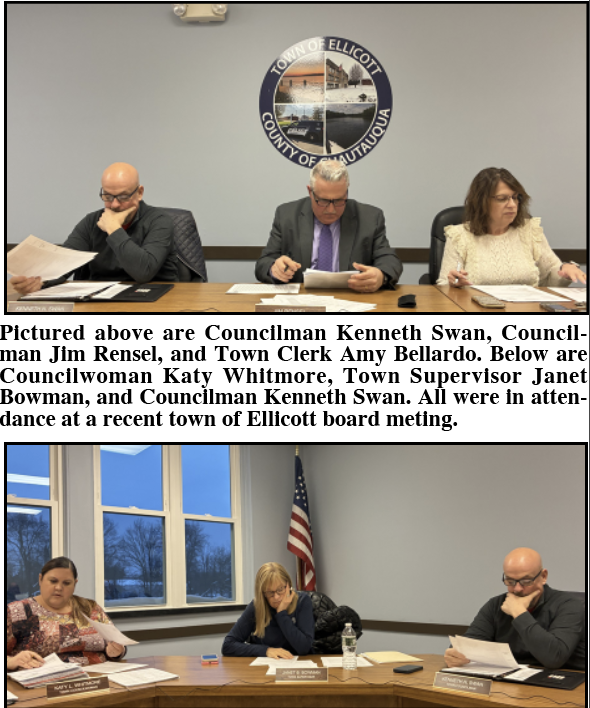
FALCONER – The town of Ellicott voted on the addition of a secondary dog shelter for the town’s dog control offer to utilize.
The approval came during the board’s February meeting. During the same meeting, officials discussed putting in place an emergency vet, with a set maximum price that can be spent on dogs found within the town. Though the state gave maximums too high for the town to incorporate, there will still be the ability for wounded dogs in the town to receive emergency treatments now.
The secondary dog shelter contract is with Jeffrey Johnson in the town of Gerry. Town Supervisor Janet Bowman noted that Johnson offers this secondary shelter services to other municipalities already, such as the town of Carroll, with the state having performed the necessary inspections of the facility already. The purpose of the secondary shelter is to have an overflow location if the Chautauqua County Humane Society is too full to take in dogs from the town. According to Bowman, this exact scenario occurred in January, prompting the board to work to come up with a solution.
Another need that Bowman brought up to the town board was the need for the town to establish an emergency veterinary location. Bowman said the role was offered to Dr. Mary Fales of the Falconer Vet Clinic, who accepted. The town police now have access to Fales’ contact information in the case of an emergency. The purpose of this establishment is for any case where the town finds an injured dog. In such cases, Bowman stated that neither Johnson nor the Humane Society will take in the animal. As a result, Town Clerk Amy Bellardo noted that the state has now mandated that towns set a designated vet for these emergencies, as well as a maximum amount of money that the town is willing to spend on an injured dog before euthanization. Police Chief Dan Ingrao noted that the state recommended that towns set a range of $1,500 to $4,000 per dog, with Councilwoman Katy Whitmore having noted that the amount is required to be realistic.
There were certainly concerns related to the recommended amount, largely pertaining to it seeming unrealistic for smaller municipalities to take on such costs. Bellardo stated that the town would ultimately hope to recuperate the costs from the owner, but that this may not be possible in many cases. Additionally, Councilman Kenneth Swan mentioned the potential for an animal to pass away despite the treatments. Councilman Jim Rensel also expressed concerns related to such high, and unknown amounts, of costs being put onto the town’s taxpayers.
“I think a thousand is where we want to be. I don’t want it to be a situation where Falconer becomes the transport site for injured animals,” said Rensel. “Even my own animals, I mean, we’ve spent money on our animals, but we haven’t spent $1,000.”
While Bellardo stated that the state is mandating that towns set this vet location and spending limit, the members of the council had not yet heard of any other towns that have set these in place yet. Ultimately, the town set the limit of $1,000 to be spent on injured dogs that cannot be taken in.
Top stories
Panama Continues Emphasis On Community Involvement In School Merger Study Process
Ellicott Approves Stray Dog Measures
‘Been Resolved’ — DMV: Stolen Plate Issue ‘Behind Us’
Cemetery Issues, Bench Dedication On Veteran’s Commission Agenda
Memorial Day flag placement and vandalism at Lakeview Cemetery and ongoing work for a dedication of a park bench ...
Vacant Allen Street Factory Sold
Borrello Blasts Aid In Dying Approval
State Sen. George Borrello still can’t support an amended Medical Aid In Dying bill that passed the Assembly and ...