Honoring History: Area Resident Upset Over U.S. Removal Of Netherlands World War II Plaques
-
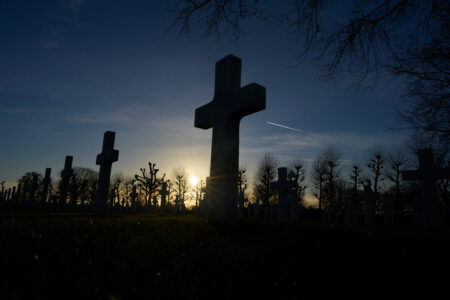
- The sun sets over the graves of more than 8,300 WWII soldiers at the Netherlands American Cemetery in Margraten, Netherlands, Thursday, Dec. 11, 2025, where the American Battle Monuments Commission removed two displays honoring Black liberators from the visitors center.
It’s a decision that isn’t sitting well with Rolland Kidder, a Stow resident, former state Assembly member, former executive director of the Robert H. Jackson Center and a former member of the AMBC board.
Both of the plaques commemorated the many segregated black soldiers who lost their lives during the war. With recent repeals of diversity, equity, and inclusion programs under the Trump administration, many believed that it has some sort of connection to the plaque’s removal.
Kidder said, up until the end of the second World War, black soldiers would still often fight separately from white soldiers, a tradition that had dated back to the Civil War. The cemetery in the Netherlands is the resting place of about 8,300 United States soldiers, many of whom were black. Since the plaques were removed, Dutch officials and families of those buried have expressed anger toward the decision. Despite this, the removal occurred without any public explanation, with U.S. Ambassador to the Netherlands Joe Popolo seeming to be quite supportive of the removal in fact.
“The signs at Margraten are not intended to promote an agenda that criticizes America,” said Popolo.
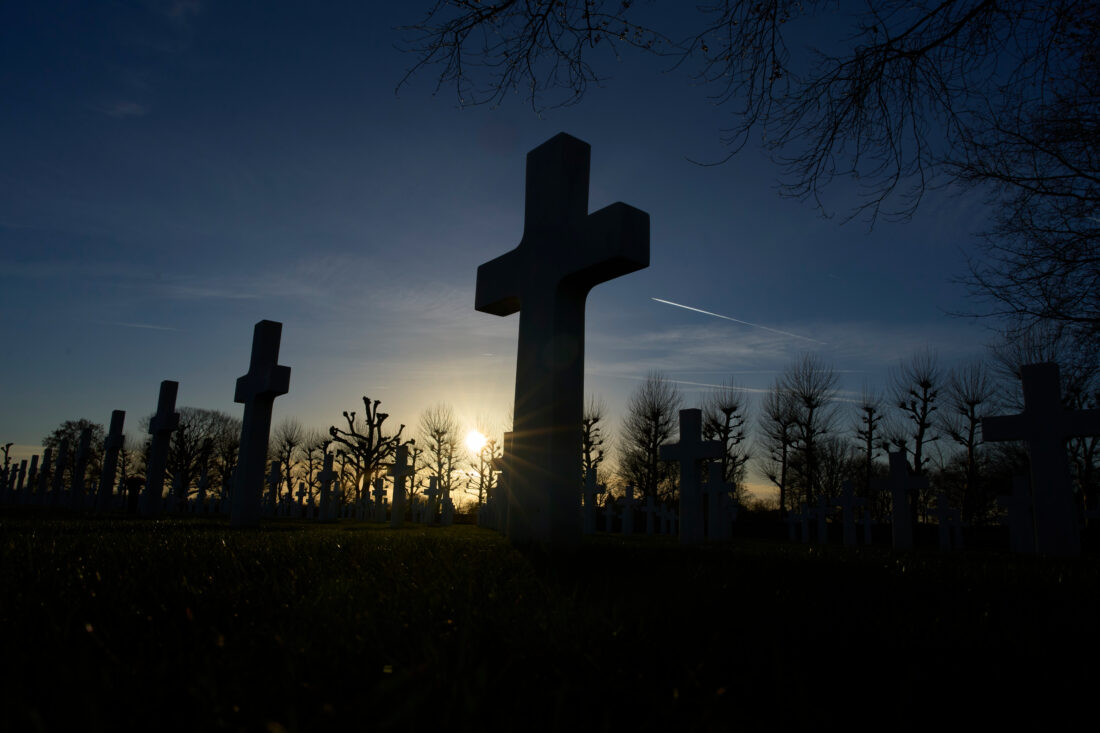
The sun sets over the graves of more than 8,300 WWII soldiers at the Netherlands American Cemetery in Margraten, Netherlands, Thursday, Dec. 11, 2025, where the American Battle Monuments Commission removed two displays honoring Black liberators from the visitors center.
While Popolo tried to argue that these signs are critical to the United States, many are upset considering that the signs simply contained historical recollections of the various black soldiers that fought while segregated. For example, one marker told the story of George H. Pruitt, a 23-year-old black soldier who would ultimately be laid to rest in Margraten. Pruitt would lose his life in an act of heroism in 1945, while attempting to save a comrade from drowning. The second plaque that was removed described the U.S. policies on segregation that were in place during the time of the second World War. Both of these educated on a particular part of the nation’s history, and while it is a remembrance of an incredibly unjust time in American history, forgotten history is often doomed to be repeated.
“I mean, it’s a part of history, so just leave it alone in my opinion. They don’t need to accentuate it, but you shouldn’t deny it either,” said Kidder. “The truthfulness of segregated units is something the country needs to accept and affirm, not run away from.”
The roughly one million black soldiers who served in the U.S. military in the war were a crucial asset to the strength of the military. While many of these soldiers were assigned to menial tasks, a large number of people still had positions that saw active combat. Additionally, black soldiers were also responsible for digging the graves at the Margraten cemetery during the harsh famine that many experienced in that region between 1944 and 1945.
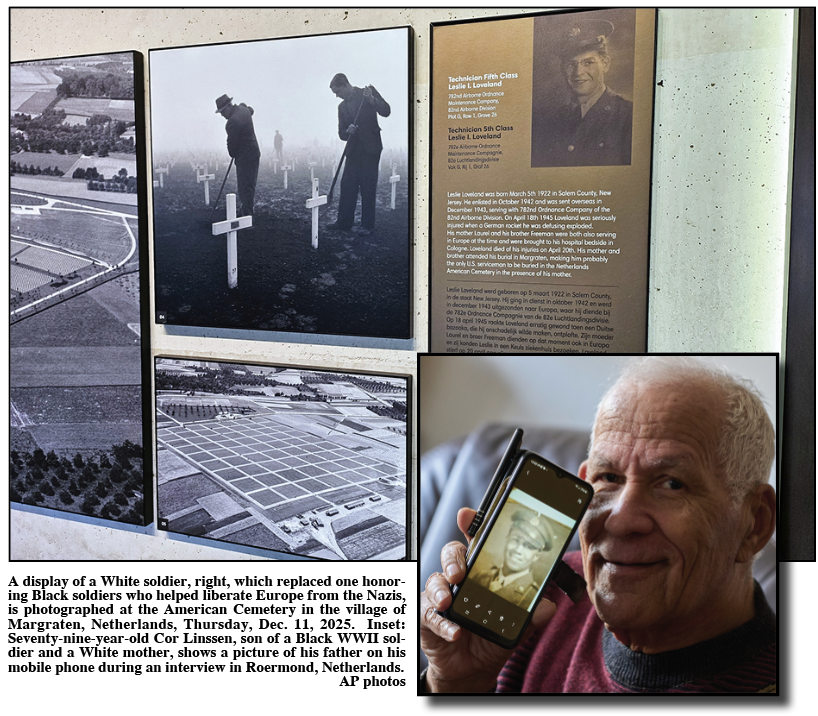
Since the removal there have been countless individuals and organizations that have kept up the fight to have the panels returned to the cemetery. One of these individuals is Cor Linssen, the 79-year old son of a black soldier. Linssen, alongside the offspring of numerous other black soldiers, visited the cemetery back in February, 2025. Since this trip, Linssen and the others have advocated for the return of the plaques, having noted the importance of the history they commemorate. The Jewish Telegraphic Agency, along with online media Dutch News, published emails back in December 2025. These emails were obtained by the organizations through a FOIA request, and showed that this administration’s executive orders against DEI were directly responsible for inspiring the committee to remove the panels. The White House declined to comment on the matter when asked by the Associated Press back in December 2025, with the ABMC not responding either following the revelations made public in the released emails. Prior to the emails being released, the AMBC had stated to the AP that the panels were not inclusive to the commemorative mission of the organization, while also claiming that the panel honoring Pruitt was simply “rotated out”. What stands in the place of Pruitt’s marker now is a panel honoring Leslie Loveland, a white soldier who was killed and laid to rest at the cemetery.
“I think it’s overreach by the political people in the White House, if they’re dictating this kind of stuff,” said Kidder. “It should be decided by the American Battle Monuments Commission. If the commission is behind it they should explain why.”
Currently, the city and greater province where the cemetery is located have both called for the return of the two panels. Further efforts to recognize the dedication of these soldiers seem to be met with some hostility, such as the attempt to recreate the panels by a Dutch television program. These recreated panels were quickly taken down by police, with the show still actively looking for a permanent location for the recreations to be displayed. While certainly showing a darker portion of history in the United States, these panels ensure that the lives of those who sacrificed everything will not go unremembered.
The Associated Press contributed to this report.
Top stories

Chautauqua’s Got Talent Opens 16th Season At Spire Theater
Legislator Wants Elected Officials’ Salaries Disclosed
MAYVILLE — In 2024, the Chautauqua County Legislature, without any Democratic support, approved significant pay ...

UPMC Chautauqua Hosts Trainings For Rare Birth Emergencies
Scott Forster Appointed Police Chief At Voting Session

City Woman Faces 17 Charges Of Child Welfare