
Mayoral Candidates Discuss City’s Spending Budget
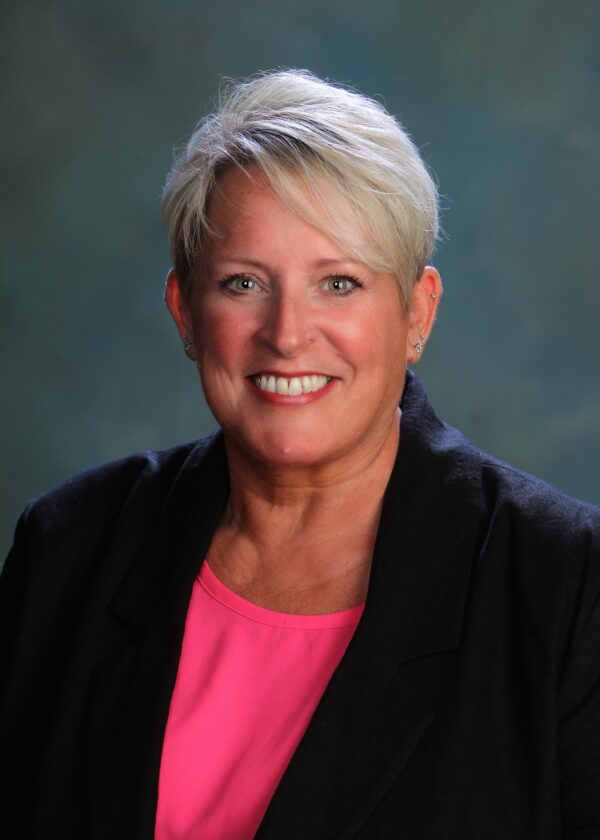
Kim Ecklund
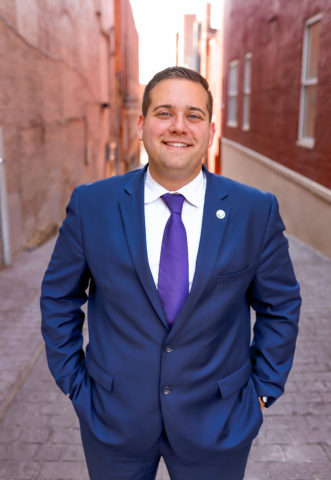
Eddie Sundquist
Kim Ecklund
Eddie Sundquist
Trending
As The Post-Journal continues the series "Meet the Mayoral Candidates," this round of questions will revolve around the city's spending budget, monetary questions and city resident's quality of life vs. fiscal responsibility.
Mayor Eddie Sundquist, a Democrat, and his Republican challenger, Kim Ecklund, R-At Large, were each given the same three questions.
ANNUAL BUDGET
P-J: Building and approving an annual budget for our community is one of the most important acts of governance the mayor and City Council members undertake each year. Describe your work on the budget and what informed your approach to the spending plan?
Sundquist: Building the budget is the biggest job for any mayor. It sets the priorities for your local government and plans for the upcoming year and future years. My budget team, which includes the comptroller, the clerk/treasurer, the Finance staff, and my team, work with each department head. We get requests from department heads, which typically include all their "wants" which we review with them to figure out their priorities. We then work to cut down each department budget to get as closely aligned with projected revenues as possible. Getting accurate estimates for revenues is always a huge workload and we work collaboratively with the county to determine where they see some of their revenues going so, we can properly budget. At all times, you must ask yourself, "is this a good use of the taxpayer's money?" If it isn't, or there are better other uses found, you typically know it is not needed.
In this year's plan, I wanted to ensure we invested into solving the issues that affect quality of life in Jamestown, which include housing, public safety, and infrastructure. That's why I included an additional half-million dollars in demolition funding, which will eliminate more dangerous homes, which are a threat to public safety and neighborhood resiliency and help to sustainably raise property values.
This also includes ensuring we have adequate resources for our public safety officers, including maintaining elevated staffing levels we haven't seen for decades, and regularly investing in capital projects for police and fire through the budget process, which hadn't happened for decades before my administration included them. I also included funding that will maintain and improve our infrastructure through a sidewalk improvement fund to replace and repair the worst sidewalk blocks in Jamestown to ensure students, people with disabilities, and all pedestrians have a safe path around Jamestown. This infrastructure funding also includes starting to do major repair work on storm sewers. I truly believe that these investments will lead to sustainably higher property values and quality of life, and in the long-term, keep taxes low.
Due to increased property values, we have been able to keep the tax rate flat for years while still investing in the city for a sustainable future. This does also mean that we must take a hard look into future investments and weigh them against any potential tax decreases. For example, if we don't start to take care of demolishing vacant homes (something that we were mostly unable to do until last year under state and federal COVID restrictions) we will see neighborhoods threatened, property values will be lower for blocks surrounding these homes. For me, a small tax decrease (in the range of $50 on an average Jamestown home) wasn't worth the cost of being able to do many more demolitions next year, which will almost certainly have a much greater impact than a potential one-time tax cut.
Ecklund: I have spent most of my years on council as part of the Finance Committee or Finance chair. The budget is one of the most important pieces in government and must be truthful, transparent, inclusive and accurate in the annual budget process as well as in the day to day spending plan both with members of the city council and even more importantly with the public at large. The last four years we have had three comptrollers and in addition have been without once since last December. Because of these personnel issues, I have done a lot more work on the budget to make sure that it is accurate and attainable, as well as fiscally responsible. We were fortunate to have former Comptroller Joe Bellitto come in to help clean up and address some gaps in our finance office.
When I joined council, the city was coming off a $1.4 million fund balance deficit and through a lot of work and effort the fund balance was almost $5 million in 2019 to potentially end up close to $7.5 million this year. I am anxious to finally hear when the city closes out 2022 so that work can be done with 2023 financials, the 2024 budget and more. When we get this completed, we will be able to see where the city ends up in that fund balance for fiscal year 2022 and help make decisions in the 2024 budget as well as going forward. In addition, we will be able to get a complete outside audit for a true picture of our financial status (this has not been done since year 2021 and we are nearing the end of 2023). COVID caused us to reevaluate many things. It enabled us to be more financially stable with the use of ARPA funds as well as provide changes in the delivery of services. Going forward we need to remember that this money will be gone soon, and we need to quit blaming COVID and make good, sound, strong financial decisions.
It's important that the mayor is effectively communicating up front with the City Council on a continuous basis throughout the year as to the financial status of the city in addition to providing complete detailed information to review and make well educated decisions. The council should not have to ask for back up and details of things to make decisions like we have in the past three years. While change is a good thing, change for the sake of change is not always the most effective practice. I am looking to bring my financial and budget experience to this position to make some changes needed for staff, administration, and council to make strong financial decisions and that may even include complete and additional communication and posting of things online for easy access for everyone but especially the public.
Most importantly, I will be presenting and working with budgets that are accurate, thorough and detailed in which all expenditures and revenues will be calculated correctly, shown in detail, balanced, and filled with items that are truly attainable. I feel by bringing in a competent controller we can close the loop and gap we have had in the past few years. We need to work with the stable team of professionals already employed internally in order to move this city forward all while working with the council and ultimately for the taxpayers.
FUND BALANCE
P-J: How much of a fund balance should the city keep in its reserves each year?
Sundquist: The industry standard for governments is to keep around 15-20% of its annual budget in unrestricted fund balance each year. This is a sufficient rainy day fund to weather bad years and to ensure City services are kept at a high-level. For too long, the City had too little fund balance, with cash reserves dwindling low in the years before I took office. Now our unrestricted fund balance is nearly $7m, right in that 15-20% sweet spot and we intend to maintain that level. I have proposed a fund balance policy that will officially allow the city to save its extra funds until it hits that 15% mark, but then also expend funds, either through an automatic tax rebate, or spending on capital needs when it goes over 20%. This will ensure the City is saving enough for a rainy day, but not so much that those extra funds aren't benefiting City taxpayers.
Ecklund: According to the NYS Government Finance Officers Association, the recommended fund balance amount is at least 2-3 months of the municipality's general fund operating revenues and regular operating expenditures. While the Office of the State Comptroller offers this general statement, they also realize that every municipality across the state has different situations and considerations to make in determining how much a municipality should have (ie Professional paid fire service, police departments, etc. also weigh into the considerations). The NYS Comptroller always brings an opinion to our fund balance as well as the amount in contingency but has never said we were in the position of needing Control Board as far as I can remember since being on council. There are always unplanned expenses in any budget and the purpose of the contingency is to cover these yearly costs with the fund balance being used to cover any major events. While our fund balance is growing, now is the time to look at the amount as well as consider helping to offset expenses in any budget in an effort to help our taxpayers as well as our city.
CITY EXPENDITURES
P-J: Are there city expenditures that you think could be reduced without sacrificing city resident's quality of life or fiscal responsibilities?
Sundquist: Every year during the budget process, we go line by line with our department heads and budget team to determine what requests can be met. During this time, we try to be conservative to allow for some wiggle room for emergency repairs and unknowns that are inevitable throughout the year, while keeping overall costs low.
However, there is always a real cost to taxpayers by reducing city expenditures. Efficiency isn't achieved when you only cut government to the bone. Sometimes spending a little more money upfront saves a lot more in the long-term. You need to give departments the resources needed to be able to provide the services Jamestown residents expect, and to improve their quality of life. City government has been hollowed out over the decades due to fiscal constraints, leading to job cuts and major cuts in capital spending. While my administration has stabilized and grown capital spending, we simply do not have extra employees that are unnecessary to the core operations of the city, and which make up the majority of city expenses, both in salary and contractual benefits. The majority of our employees are public safety workers; which are police, firefighters, and their support staff, which no one would like to see cut. And the rest are mostly made up of DPW and Park's workers, which are necessary to maintain our roads and infrastructure in all conditions and manage our public spaces. In many of our departments, we are operating at the minimum possible. We only add employees when: there is a significant cost-benefit to the City, the department's workload has gotten to be too much for the number of employees it currently has, the position is funded through a grant, or it is necessary for succession planning.
It is easy to say cut, cut, cut. But it is much more difficult in reality. Every year we look for cost-savings opportunities and often find them through hard work. We have found some in offering new healthcare plans to retirees, which have already saved City taxpayers millions of dollars and will continue to do so. But all of this takes trust, collaboration, and hard work.
Ecklund: We should not only be reviewing all possible cuts and changes during budget time, but also throughout the year. Sometimes a cut is not the answer, and we should be looking at strategic processes and decisions to help not only improve the services we provide, but also help the bottom line. We need to get a handle on spending because the ARPA funds are being used up and interest income will soon be coming out of the budget as well. We need to make sure that we are providing our employees with the best tools needed to do their jobs and sometimes that does require expenses and investments. While I know we have been lucky to add personnel recently through ARPA, etc. we need to be cognizant of the future costs and find ways to keep things and personnel that have improved departments and services in the city wherever possible. Should we not be able to continue these personnel costs and additional programs, we need to continue looking at all things and developing solid plans before placing them in budgets as well as announcing them to the public (2021 budget to cut healthcare for retirees unnegotiated versus a volunteer program that benefits both the participant and the city as well as including unrealistic items in the budgets like doubling parking fees). Through engagement with the employees and residents we may find ways that are an improvement to the delivery of services and will not change the quality of life. We will need to continue looking for, applying for, and engaging in the grant process for all potential sound opportunities. Bottom line, with the majority of expenses in personnel costs, infrastructure costs, and general providing of services sometimes cuts do not always make sense but that does not mean we should not be looking at all things for options in the delivery of services, shared services and more.