Music For Mom: Fundraiser To Help Create More Awareness For Alzheimer’s
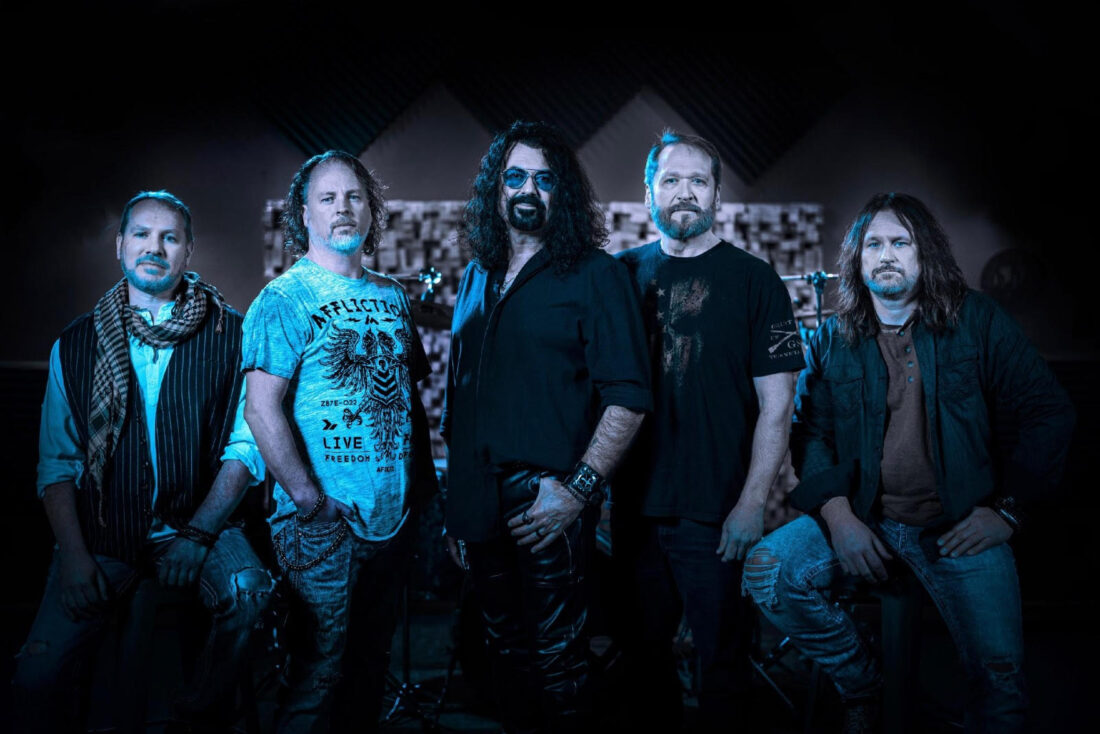
Foreigner tribute band Blue Morning will perform at Music For Mom, from 1 to 3 p.m. Sept. 16 at Tanglewood Manor’s outdoor park, 560 Fairmount Ave.
Caring for someone who has Alzheimer’s is not easy.
Christine Cheronis knows this firsthand as her mother was diagnosed with the disease in 2016.
Cheronis wants to create more awareness for the disease and caregivers in the region, and that’s why she has started Music For Mom.
The inaugural fundraising concert event will be held Saturday, Sept. 16, at Tanglewood Manor’s outdoor park from 1 to 3 p.m. with a performance by Foreigner tribute band Blue Morning.
“So many people have been affected by Alzheimer’s disease either through being diagnosed with the disease or caring for a loved one, friend or co-worker. So much has been done to help find a cure, but we are not there yet,” Cheronis said in a recent Facebook post.
Because music helps people with their cognitive abilities, Cheronis said, it makes sense to her to incorporate music to into the event.
“So, a concert benefit is something that we’ve wanted to do for a long time, and this year just seemed to be the right time to do it,” Cheronis said.
She said caring for a loved one or a friend with the disease takes great deal of personal time because the caregiver has to budget his or her time, emotions, and finances. And she said it doesn’t only affect older people.
“If someone can honestly say they’ve never been touched by Alzheimer’s at all, I would find that very hard to believe because it is so prevalent now. And as the population is aging, we’re seeing more and more men and women and even young people (being diagnosed),” Cheronis added.
According to the Alzheimer’s Association website, alz.org, there are three stages of caregiving: early, middle and late.
In the early stage of Alzheimer’s, most people function independently. He or she may still drive, take part in social activities, volunteer and even work. Your role as care partner is an important one: to provide support and companionship, and help plan for the future.
The middle stages of Alzheimer’s are typically the longest and can last for many years. As dementia progresses, the person with Alzheimer’s will require a greater level of care. During this time, it’s important to get the support you need as a caregiver.
The late stage of Alzheimer’s disease may last from several weeks to several years. As the disease progresses, intensive, around-the-clock care is usually required.
Caregivers, the website said, should try to stay physically and emotionally strong by regular doctor visits, exercise, eating well and managing stress levels.
Cheronis said she wants to dispel the myth that if someone has a cognitive disability, that the person automatically has Alzheimer’s. There are many different types of dementia.
“Dementia describes a group of symptoms associated with a decline in memory, reasoning or other thinking skills. Many different types of dementia exist, and many conditions cause it. Mixed dementia is a condition in which brain changes of more than one type of dementia occur simultaneously. Alzheimer’s disease is the most common cause of dementia, accounting for 60-80% of dementia cases,” The website noted. “Dementia is not a normal part of aging. It is caused by damage to brain cells that affects their ability to communicate, which can affect thinking, behavior and feelings.”
Alzheimer’s is a degenerative brain disease that is caused by complex brain changes following cell damage, alz.org said.
“It leads to dementia symptoms that gradually worsen over time. The most common early symptom of Alzheimer’s is trouble remembering new information because the disease typically impacts the part of the brain associated with learning first. As Alzheimer’s advances, symptoms get more severe and include disorientation, confusion and behavior changes. Eventually, speaking, swallowing and walking become difficult,” the website said.
Though the greatest known risk factor for Alzheimer’s is increasing age, the disease is not a normal part of aging. And though most people with Alzheimer’s are 65 and older, approximately 200,000 Americans under 65 are living with younger-onset Alzheimer’s disease, the website added.
“And for someone with Alzheimer’s, social interaction is huge,” Cheronis said. “And it’s not only the caregiver needs to interact, but the person with dementia (also needs to react). People don’t realize how important it is, even just to hold the hand, and just be with them. That means everything to someone with Alzheimer’s. So, yeah, there’s there’s a lot on both sides that people need to understand about this disease.”
Music and art can enrich the lives of people with Alzheimer’s disease. Both allow for self-expression and engagement, even after dementia has progressed, alz.org noted.
Presale tickets are available by donating to https://bit.ly/musicformomalz or tickets at the door. Adults are $15 and children under 10 are free. Refreshments will be available for purchase.
Top stories

Chautauqua’s Got Talent Opens 16th Season At Spire Theater
Legislator Wants Elected Officials’ Salaries Disclosed
MAYVILLE — In 2024, the Chautauqua County Legislature, without any Democratic support, approved significant pay ...

UPMC Chautauqua Hosts Trainings For Rare Birth Emergencies

Scott Forster Appointed Police Chief At Voting Session

City Woman Faces 17 Charges Of Child Welfare