Warmer Temps Blamed For Higher Pollen Count
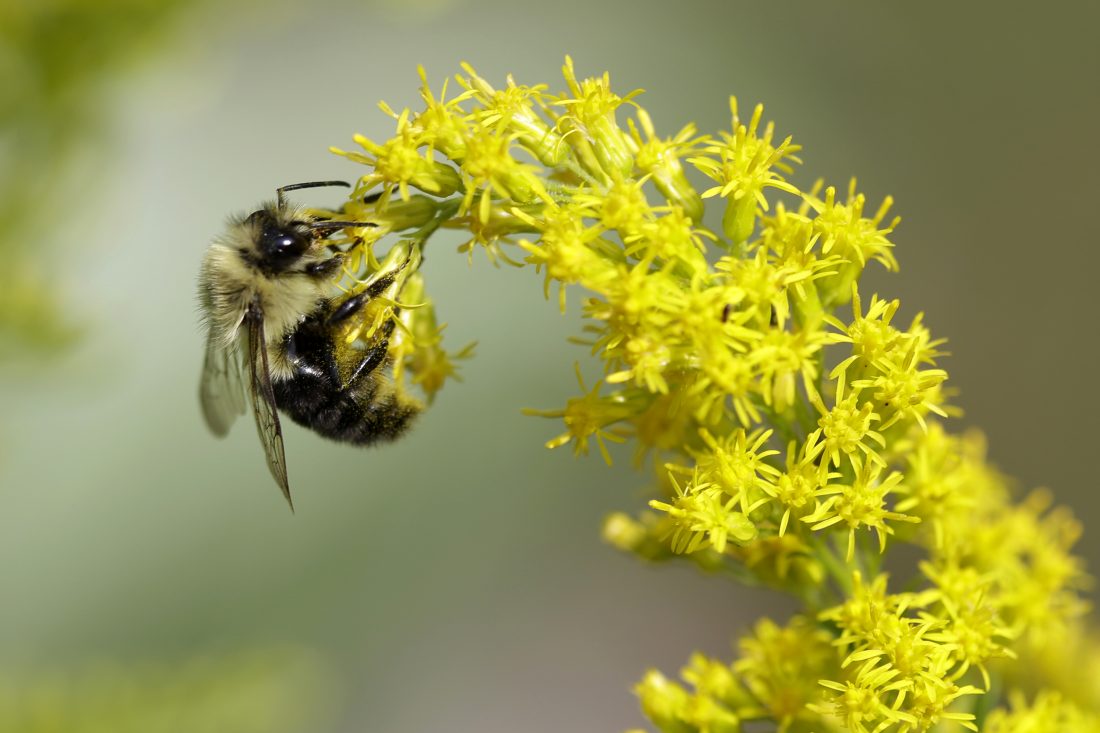
The pollen season has started earlier than usual due to warmer temperatures. AP photo
The beginning of the summer pollen season has brought about higher pollen levels than normal this year.
Pollen season typically begins toward the end of March or early April after trees have had time to pollinate for two or three weeks. The exact time can vary, but it always begins after a period of warm temperatures, followed by cold and then back to warm.
“Pollen has been around for eons,” said Dr. Fred Lewis of the National Allergy Bureau and fellow of the American Academy of Allergy, Asthma and Immunology, who operates out of Olean. “Counts can go all over the map. It usually is started by weather or plant genetics. We probably had our allergy season this year start a week and half early, but it always varies depending on when we get the break in the spring season.”
Mostly, the higher pollen levels are caused by an increase in the temperature caused by global warming.
“We’ve had higher levels of pollen in general in the past few years because of global warming,” Lewis said. “The level of carbon dioxide in the air has increased. But, I haven’t seen an increase in pollen during the pollen season in our area in the last few years.”
The different levels of pollen from trees differ depending on the growing season. Ash trees usually pollinate around the end of April or the beginning of May. Birch begins around mid May, and is known as the tree to be a higher pollinator, and the one that normally causes the most allergies. Oak begins around Memorial Day and pine, while not as allergenic, usually begins around the end of May, with grass beginning somewhere around July.
“We’ve seen a high level of grass pollen this year,” Lewis said. “There’s a significant difference between what we see in grass and what we see in a tree. Ragweed is also a big cause of allergies, and its season begins around the third week of August, to September, when the length of the darkness at night starts to increase. Frost then kills it, and it’s usually gone by the end of October.”
Additionally, Lewis said pollen can come from mold, which usually begins to appear when the ground thaws out.
Altogether, though, there is a variation in tree pollen from year to year.
“There’s a number of different factors,” Lewis said. “It can be hard to predict what will happen. Often, it can mix in the atmosphere as well, but rain tends to cleanse the air, unless it’s a thunderstorm, which can re-suspend pollen that has already landed on the ground.”
Lewis said there are a lot of factors that go into the pollen count on a particular day, and that can also depend on how the plant pollinates. Most commonly it will self-pollinate, pollinate through insects or by the wind.
“There are types of pollen that can travel for 100 miles in the higher levels of the atmosphere,” Lewis said. “Others, like corn, can’t travel very far. We tend to find there are higher levels of mold in the air than pollen.”
Lewis said that the pollen count looks at pollen trends in the last 24 hours.
“It comes from trends we saw the day before,” Lewis said. “We are not predicting pollen. I’m the only one with this sampling in the area.”
For more information on pollen and pollen counts, visit pollen.aaai.org.
Top stories

Chautauqua’s Got Talent Opens 16th Season At Spire Theater
Legislator Wants Elected Officials’ Salaries Disclosed
MAYVILLE — In 2024, the Chautauqua County Legislature, without any Democratic support, approved significant pay ...

UPMC Chautauqua Hosts Trainings For Rare Birth Emergencies

Scott Forster Appointed Police Chief At Voting Session

City Woman Faces 17 Charges Of Child Welfare