
City Looks To Eradicate Invasive Tree Species Along River
-
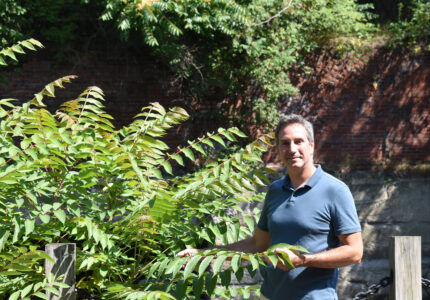
- Twan Leenders, ecological restoration manager, is pictured this week along the Chadakoin River. The city is taking steps to remove an invasive tree species called tree of heaven from along the river banks. P-J photos by Timothy Frudd
-
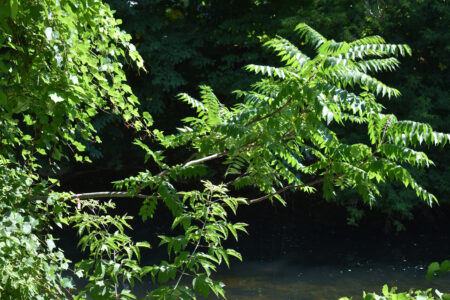
- Twan Leenders, ecological restoration manager, is pictured this week along the Chadakoin River. The city is taking steps to remove an invasive tree species called tree of heaven from along the river banks. P-J photos by Timothy Frudd
-
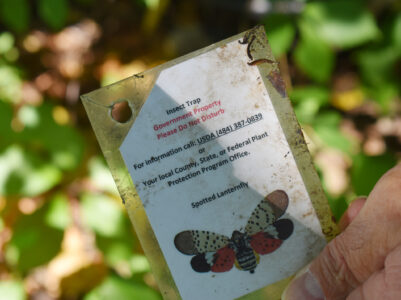
- Twan Leenders, ecological restoration manager, is pictured this week along the Chadakoin River. The city is taking steps to remove an invasive tree species called tree of heaven from along the river banks. P-J photos by Timothy Frudd
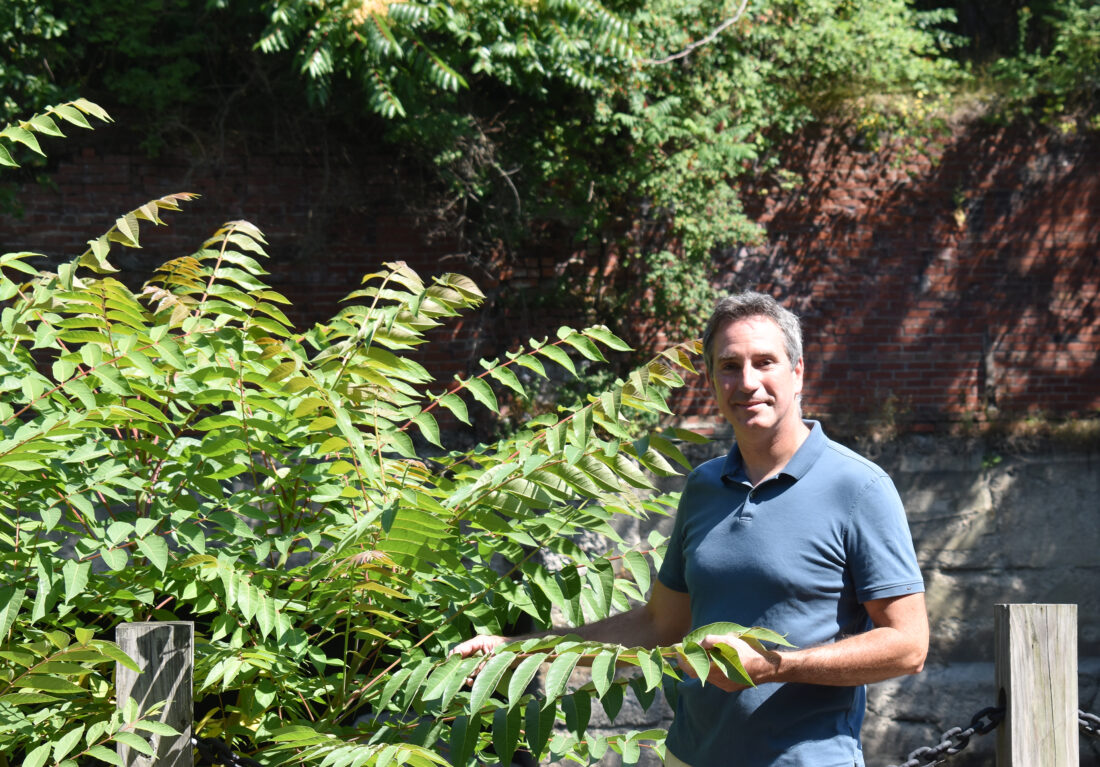
Twan Leenders, ecological restoration manager, is pictured this week along the Chadakoin River. The city is taking steps to remove an invasive tree species called tree of heaven from along the river banks. P-J photos by Timothy Frudd
The city is attempting to solve the rapidly spreading tree of heaven problem on the banks of the Chadakoin River before it is too late.
City Council members have granted funding for the restoration of the Chadakoin River, involving several projects.
“The next project that I’m tackling is eradicating the tree of heaven that is along this river,” said Twan Leenders, Chautauqua Watershed Conservancy ecological restoration manager.
Leenders said the tree of heaven is a non-native species that came from Asia. However, for more than 200 years, the species has been spreading throughout the United States.
“Tree of heaven is a really aggressive invasive,” he said. “Like a lot of invasive species, it’s extremely adaptable.”
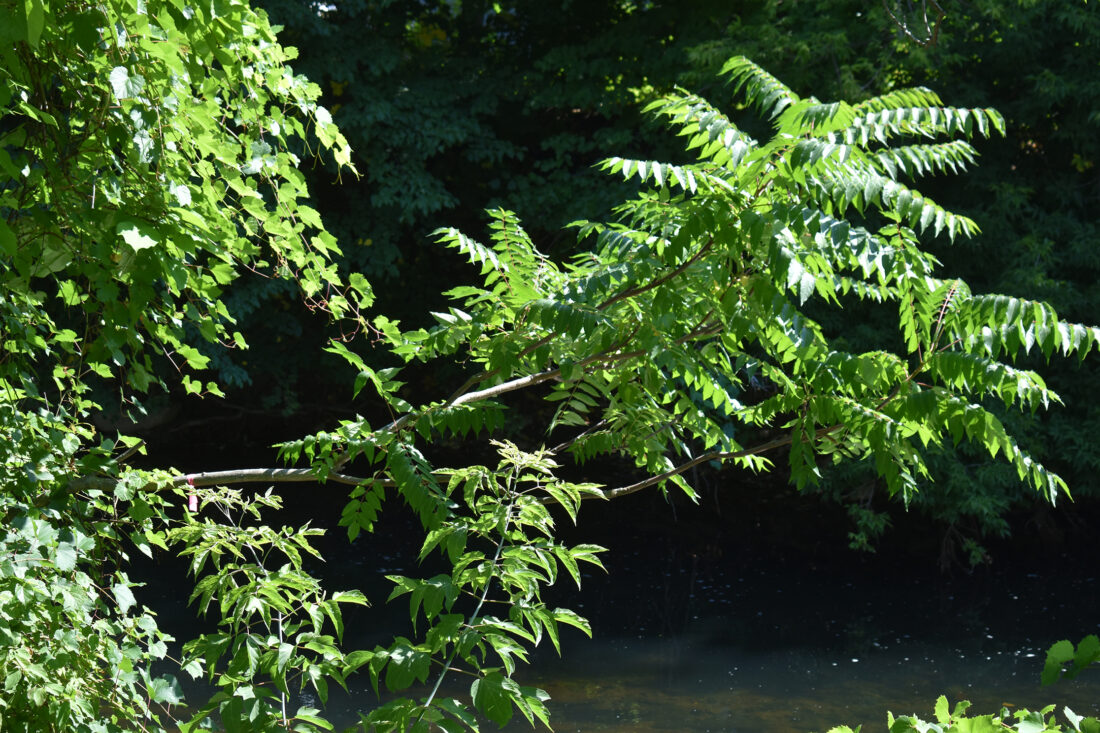
Twan Leenders, ecological restoration manager, is pictured this week along the Chadakoin River. The city is taking steps to remove an invasive tree species called tree of heaven from along the river banks. P-J photos by Timothy Frudd
The tree of heaven grows even in places where nothing else grows, causing people to believe it is a good plant for erosion control. However, Leenders said this is not the case.
“It kind of creates a monopoly wherever it lands,” he said. “It’s growing from a very powerful root system that exudes chemicals that stop other plants from growing near it.”
Leenders said the tree received its nickname as a result of its tendency to quickly grow and reach toward the heavens.
“Once you have it and you don’t deal with it in the right way and fast enough, you’re gonna have much bigger problems on your hands,” he said.
The tree of heaven is not easy to remove. Leenders said it cannot be removed simply by cutting it down.
Twan Leenders, ecological restoration manager, is pictured this week along the Chadakoin River. The city is taking steps to remove an invasive tree species called tree of heaven from along the river banks. P-J photos by Timothy Frudd
“The troublesome thing about tree of heaven is that when you cut it, it sends stress hormones down the root system and it starts to sucker sprout from the roots,” he said. “Every time you cut one big one, you end up with 20-40 little ones coming out of the roots.”
While Leenders said it is not too late, he warned the invasive species can easily take over an entire ecosystem.
“If we don’t deal with this in the only way that’s possible by chemically treating these trees first and killing these trees first before we try to remove them, soon this will be the only thing that will be growing along the river banks,” he said.
Leenders said the injected chemicals seep into the tree’s root system and prevent the trees from continuing to rapidly spread.
“The trick really is to get to them while you can when they are at their most vulnerable,” he said. “Right now, they’re about to set seed and they’re about to start producing the next generation. This is the point in the year when they’ve extracted almost all of their reserves from the root system. So if you can hit them now, their root system is mostly depleted of reserves. That’s when you have the biggest impact on these trees.”
Leenders said there is a narrow window of time for treating the tree of heaven with injected chemicals in order for the treatment to be most effective and to prevent the next generation of the tree.
The City Council awarded the funds required for the first year of treatment for the tree of heaven infestation.
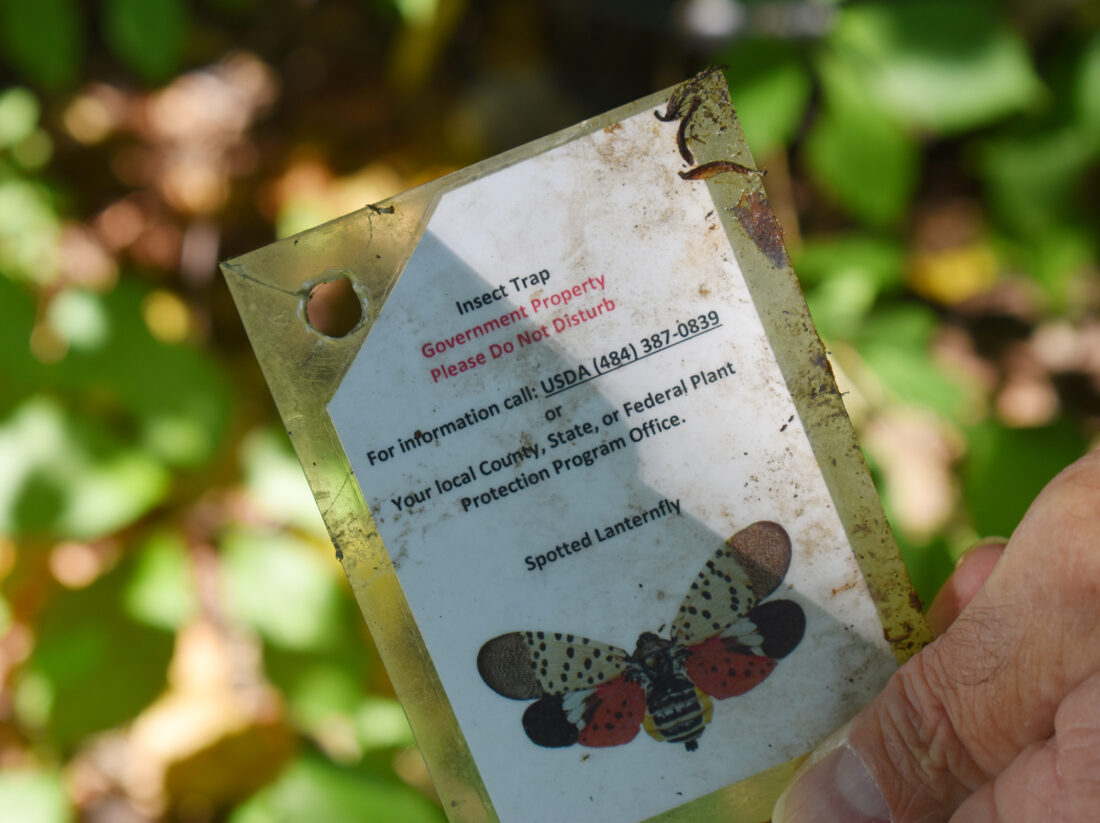
“What really made this an urgent issue right now is that tree of heaven is the primary host plant for the spotted lanternfly,” he said.
Leenders said the spotted lanternfly has been wreaking havoc in other regions of the country and slowly making its way to the region.
“The last thing we want is to have yet another invasive that has the potential to draw in something that could devastate our grape industry and any type of agriculture.” he said. “They’re not here yet, but they’re getting awfully close.”
The economic impact could be significant. Leenders said in Philadelphia the lanternfly population became such a problem that it resulted in the loss of hundreds of millions of dollars.
The insects secrete a substance similar to honeydew that covers everything and kills other vegetation, such as fruit.
Leender said the city has identified four concentrated areas that have been taken over by the tree of heaven species. About 1,000 trees have currently been marked for chemical injection and removal.
The city has already treated certain trees along the Chadakoin River with insecticide that would kill spotted lanternflies if they migrate to the region; however, the trees themselves will need to be chemically treated and removed to prevent future issues.
The chemical treatment does not negatively impact other vegetation or the environment.
“The chemicals don’t leave the tree,” Leenders said. “There’s no chemicals going to the outside world.”
Instead, the goal is to cut into the vascular system of the tree and inject chemicals that will kill the tree’s root system as well as prevent the tree from producing more seeds.
Leenders believes the city needs to take advantage of the window of opportunity it has to chemically treat the trees before the trees spread additional seeds for the next generation.
“I’m hopeful that we can start in the next week,” he said.
Top stories
Panama Continues Emphasis On Community Involvement In School Merger Study Process
Ellicott Approves Stray Dog Measures

‘Been Resolved’ — DMV: Stolen Plate Issue ‘Behind Us’
Cemetery Issues, Bench Dedication On Veteran’s Commission Agenda
Memorial Day flag placement and vandalism at Lakeview Cemetery and ongoing work for a dedication of a park bench ...
Vacant Allen Street Factory Sold
Borrello Blasts Aid In Dying Approval
State Sen. George Borrello still can’t support an amended Medical Aid In Dying bill that passed the Assembly and ...