
Trending
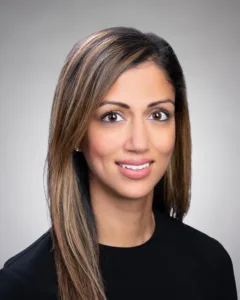
Kristin Melville, executive director of the WCA Foundation, introduced Dr. Nabeela K. Patail, who spoke to Rotarians in observance of Breast Cancer Awareness Month.
The WCA Foundation and The Rotary Club of Jamestown partnered with support from the Chautauqua Region Community Foundation to make the educational presentation available to members and community guests.
Melville welcomed Patail, a board-certified hematologist and medical oncologist at UPMC Hillman Cancer Center at UPMC Chautauqua. Patail began with a reminder: about one in eight women in the United States will develop breast cancer during their lifetime. She noted that diagnoses are increasing among women younger than 50, making awareness and timely screening especially important. The outlook is much more encouraging when cancer is found early; the five-year survival rate for localized breast cancer is greater than 99%. She encouraged women to talk with their healthcare providers about mammograms beginning around age 40, while noting that the right schedule depends on personal risk. Family history on either the mother's or father's side, inherited genetic changes, prior chest radiation and other factors may call for earlier or additional screening.
Patail emphasized that many patients diagnosed with breast cancer have no family history at all. Breast density was another major topic. About half of women have dense breast tissue, which can make cancers more difficult to see on a mammogram. Since September 2024, mammogram reports have been required to include breast-density information. Women with dense breasts should discuss with their providers whether additional imaging, such as ultrasound or breast MRI, is appropriate.
Patail also discussed steps people can take to reduce risk, including regular physical activity, good nutrition and limiting alcohol. She encouraged people to be aware of changes in their breasts and report concerns promptly. Although researchers are still studying the reasons for increased diagnoses among younger women, she stressed that early attention and individualized risk assessment remain valuable tools. Advances in technology and treatment offer considerable hope. Artificial intelligence is beginning to help radiologists detect abnormalities on mammograms. Genetic testing, detailed tumor analysis and newer medications allow treatment plans to be tailored to each patient. Depending on the cancer, treatments may include surgery, radiation, chemotherapy, hormone-blocking medications, targeted therapies or immunotherapy.
The physician noted that doctors are also learning when some patients can safely avoid treatments they may not need. She spoke about the team at UPMC Hillman Cancer Center in Jamestown, describing a collaborative, woman-led group of nurses, physicians and other professionals. Local patients can receive breast imaging, additional testing, consultations and much of their treatment close to home. Specialists in larger centers may still be consulted for certain cases, but Patail emphasized the quality of care available in the community.
Questions followed about how researchers find a cure and whether cancers affecting different organs have enough in common to benefit from the same treatments. Patail explained that advances in genetic sequencing help identify changes within tumors and match patients to drugs that may work across several cancer types. She offered examples of genetic markers and immunotherapies now used for different cancers.
Other questions focused on male breast cancer, 3-D screening, family history, and the availability of local follow-up care. Dr. Patail answered questions about how treatment has changed over time and encouraged all in attendance to make informed decisions in partnership with their medical teams.