
Unhealthy banter drives measles resurgence
Trending
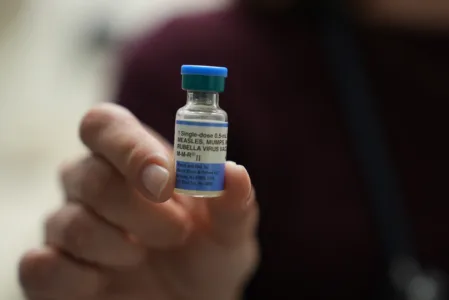
How is it, in an age of vast technology and information, Americans keep tempting fate when it comes to medicine? One decade ago -- a mere four years before the COVID-19 pandemic, who would have ever thought it intelligent to not get a vaccination for measles?
In 2004, there were less than 100 cases reported in our nation. As of last week, the number of confirmed cases is 2,777 -- and growing.
Pennsylvania appears to be one of the hot spots regarding the illness. This week, two individuals from Lancaster County in the south central portion of the state succumbed to the illness.
On Wednesday, a battle of blame took place. Robert F. Kennedy Jr., U.S. Health Secretary, and Pennsylvania Gov. Josh Shapiro clashed over the reports. Kennedy cited a need for more information while Shapiro blamed the Trump administration lax vaccination policies.
"Our hearts go out to the Lancaster County families grieving the loss of their family members," said Secretary of Health Dr. Debra Bogen. "Their loss underscores why the Department of Health is working diligently to provide information and protection for Pennsylvanians. The measles virus spreads quickly and easily to anyone who is not immune. If you are not protected or immune, you are at risk of getting measles."
Within the last month, Pennsylvania began an online interactive tool to highlight numbers of students who have been vaccinated at each district and school. The effort has brought mixed reviews, but the results show an unwelcome trend.
Based on data from the 2025-26 school year, 93.2% of Pennsylvania kindergarten students, 94.6% of seventh graders, and 96.9% of 12th-graders, received both required doses of the MMR vaccine. While the majority of schools boast high vaccination rates, there is a significant number that are currently under the 95% community immunity threshold recommended by public health experts.
Though Chautauqua County has no known measles cases, its data is far from impressive. In the Kennedy-Randolph area - that includes an Amish population - the vaccination rate is 9% with 47.6% reported in Cherry Creek, according to the state Health Department. The highest rates are in the cities of Dunkirk at 94.5% and Jamestown at 88%.
Overall, New York state this week reported a total of 29 measles cases last week -- six in New York City and 23 upstate. While there are no known cases in this area, Warren County has two that make up the more than 400 in our neighboring state to the south.
A highly contagious virus, measles can cause serious short- and long-term health problems including pneumonia and brain swelling, with nearly 20% of people who contract measles being hospitalized. Death from measles, though rare, occurs in one to three patients per 1,000 cases.
It spreads when a person who is infected breathes, coughs, or sneezes. The virus remains infectious in the air and on surfaces for up to two hours after the person with the infection leaves the area. Symptoms begin with fever, cough, runny nose, and red, watery eyes (conjunctivitis), followed by a rash that starts on the head and spreads downward. Without proper protection or supportive care, measles can be deadly. Symptoms can start seven to 21 days after exposure.
“It is important we work together to contain this recent uptick in cases of confirmed measles,” State Health Commissioner Dr. James McDonald said. “Measles is highly contagious and can cause serious illness, including pneumonia and hospitalizations yet is effectively prevented with up-to-date measles immunization. The measles, mumps and rubella vaccine has been available since 1971 and is highly effective. This vaccine remains our best protection against measles. I urge New Yorkers to check their vaccination status, particularly for their children, and make sure they and their families are protected.”
This scenario is a great example of politics poisoning the waters when it comes to medicine. For decades, people have passed on the flu vaccine. In recent years, there has been a resistance to the COVID vaccine.
But now there's a sentiment of the population that believes it's OK to not get the measles vaccine? The nation has gone from the disease being declared as eliminated from the United States in 2000 to its three-decade high in 2026.
Those calling the shots in Washington have let the public down by minimizing the health issue, but state officials are taking it seriously since they are the ones who have to deal with it. Local leaders also need to heed those warnings as well, especially in Warren County.
This percolating crisis is one no one could have forecast at the turn of the century. But at that time, Americans rarely had doubts when it came to health care.
COVID changed that -- and has brought back health threats that had been dormant for decades. That, it turns out, is really bad medicine.
John D'Agostino is editor of The Post-Journal, OBSERVER and Times Observer in Warren, Pa. Send comments to jdagostino@observertoday.com or call 716-487-1111, ext. 253.