
Taxing Talk
Movie theater asks for assessment decrease

The owners of the Lakewood Cinema 8 are asking the state Supreme Court in Mayville to decrease the theater’s taxable assessment by a little more than 50%. P-J photo by John Whittaker
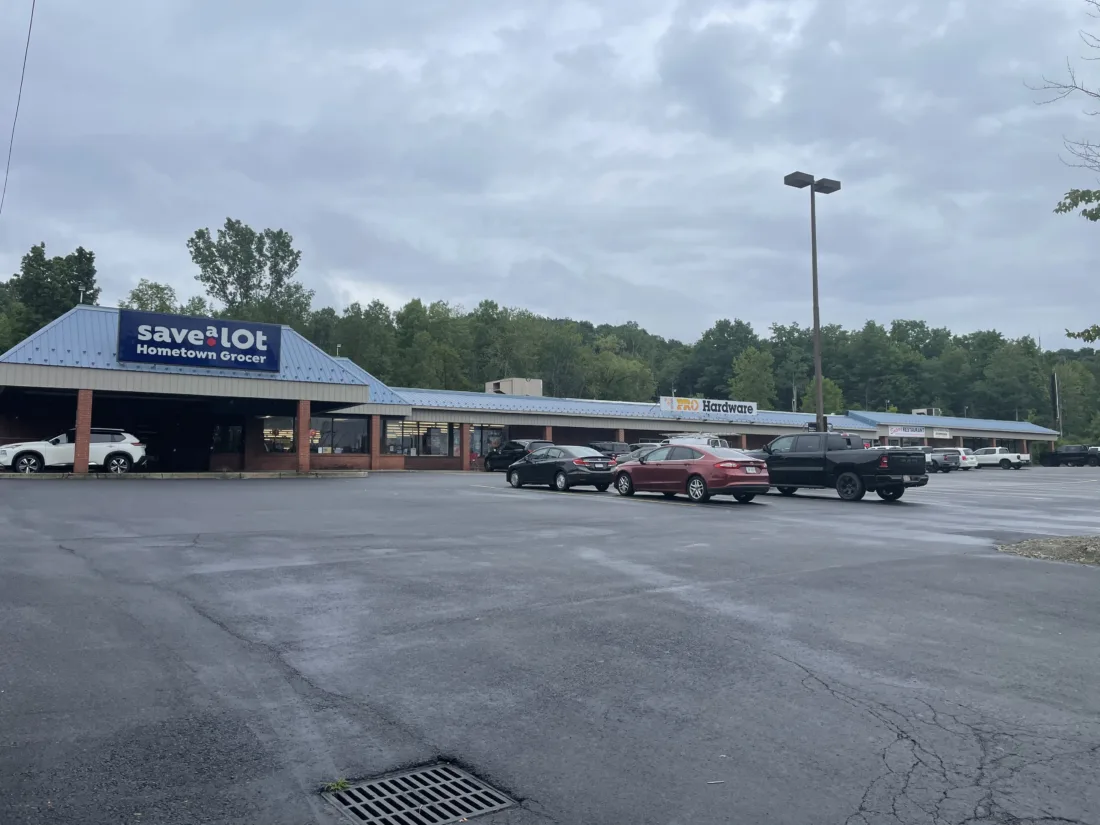
The owners of this Fluvanna Avenue shopping plaza are asking for a tax assessment reduction of roughly $200,000. P-J photo by John Whittaker
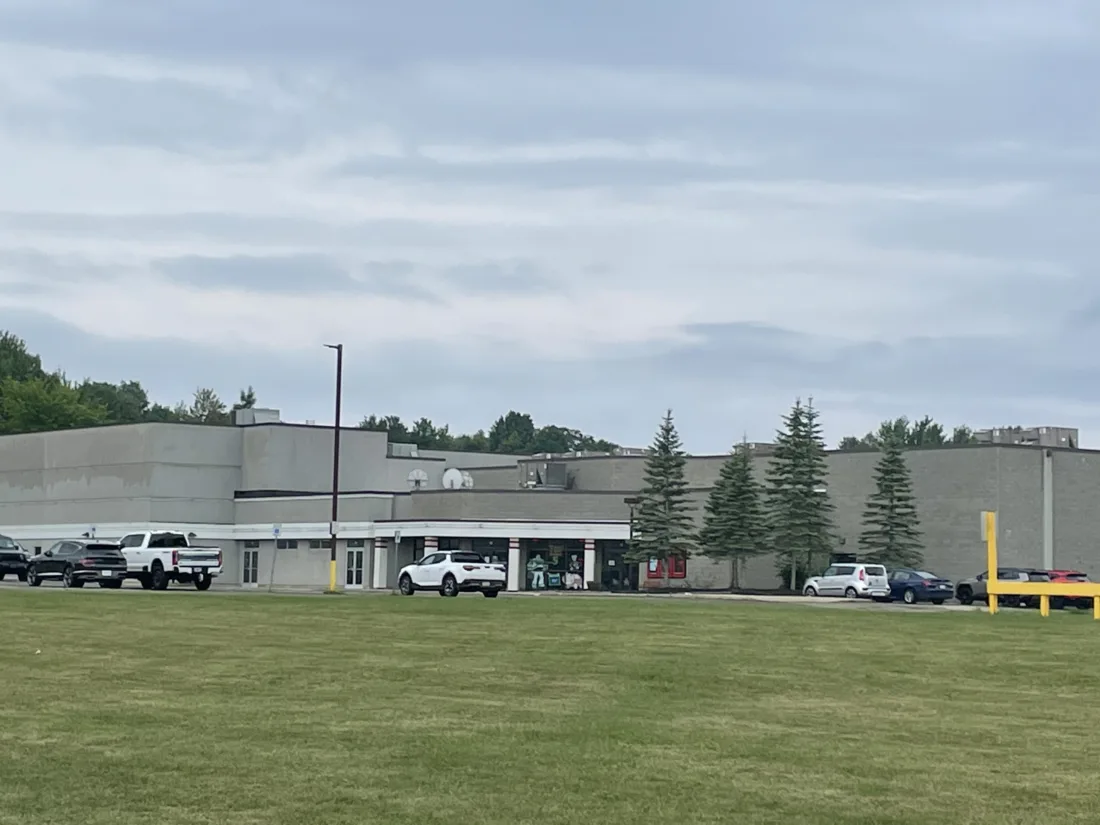
The owners of the Lakewood Cinema 8 are asking the state Supreme Court in Mayville to decrease the theater’s taxable assessment by a little more than 50%. P-J photo by John Whittaker
The owners of the Lakewood Cinema 8 are asking the state Supreme Court in Mayville to decrease the theater’s taxable assessment by a little more than 50%. P-J photo by John Whittaker
The owners of this Fluvanna Avenue shopping plaza are asking for a tax assessment reduction of roughly $200,000. P-J photo by John Whittaker
The owners of the Lakewood Cinema 8 are asking the state Supreme Court in Mayville to decrease the theater’s taxable assessment by a little more than 50%. P-J photo by John Whittaker
Trending
The Lakewood Cinema 8 theater is asking the state Supreme Court to decrease its taxable assessment by a little more than 50%.
Attorneys filed the request in late July in state Supreme Court in Mayville. The theater is currently assessed at $2.5 million and is requesting a reduction to $1,085,000. Harter, Secrest and Emery LLP in Buffalo said in the court filing that the theater's owners had requested the Board of Assessment Review to reduce the theater's tax assessment on the grounds that the property was overvalued.
"The petitioner is aggrieved by said erroneous and unlawful assessment and will be required to pay a greater amount and proportion of taxes than it would be required to pay if the said assessment had been just and equal, and that petitioner will be injured thereby," the petition states.
For Lakewood, Busti and Southwestern Central School District officials, the theater's request comes on the heels of the Chautauqua Mall's second consecutive year of challenging its taxable assessment.
Chautauqua Mall Realty Holding LLC filed an Article 7 filing in the state Supreme Court in Mayville asking the court to review the assessment of the three parcels that make up the Chautauqua Mall property - two located at 318 Fairmount Ave. and one at 300 Fairmount Ave. Friday’s filing is similar to one filed July 2, 2025, in which the mall’s attorneys requested a decrease from the proposed $7.825 million for the three parcels that make up the entire mall property to $800,000. The properties’ value hadn’t increased from 2025 to 2026.
In 2023, state Supreme Court Justice Grace Hanlon ruled that the mall’s property assessment should be reduced from $6 million to $4,020,000 through 2026, with the properties’ fair market value decreasing from $8,955,200 to $6 million. At the time, she wrote that if the town goes through a property reassessment the mall’s property value will use a $6 million fair market value multiplied by the new town equalization rate for the year the revaluation happens.
The 2025 assessment challenge by Chautauqua Mall Realty Holding LLC has yet to be decided.
Court records show that in 2020 the mall’s assessment was $9,260,000, and that amount was reduced to $5,772,000. In 2021 the assessment was $9,260,000, and it was reduced to $5,592,000, and in 2022 the assessment was $9,260,000, and it has been reduced to $4,965,000. The 2023 tax assessment from the Busti tax assessor was $6 million — an amount mall officials said was too high even though the mall was purchased for $6 million in September 2022.
Two more assessment challenges in Jamestown have also been filed.
The owners of the Save-A-Lot plaza on Fluvanna Avenue are asking the state Supreme Court to reduce its assessment from a total of $1,075,000 for two parcels to a combined $806,250. Lawyers argue the property's assessment is excessive and that the property is misclassified.
"Petitioner protests the payment of said taxes based upon the within claims and upon the grounds that the tax rates are calculated improperly," the claim states.
Suit-Kote Corporation has also filed a claim asking the court to decrease its assessment for six properties the company owns on Lister Street, Hallock Street and Jones & Gifford Avenue assessed at a total of $1.8 million to a new total of $997,590.
One of the issues raised by Suit-Kote's attorneys is the 61% equalization rate. An equalization rate is the state’s calculated percentage measuring a municipality’s total taxable assessed value against its total estimated market value. It ensures fair tax distribution for overlapping jurisdictions like school districts when towns or cities assess property at different fractions of market value.
"Upon information and belief, the assessment upon the property, and for which the petitioner will be required to pay taxes, is at a percentage substantially in excess of the above-stated ratio," the lawsuit states. "Upon information and belief, in order to be equal and proportionate with the assessments of other real properties in the municipality, the assessment on the property should be reduced to a maximum of the value stated above, which is arrived at by applying the tentative and final equalization rate to the property's true full market value as claimed by the petitioner."