
Campaign trail in region displays high costs
Trending
Western New York had the look and feel of a battleground region last week when both state Gov. Kathy Hochul and challenger Bruce Blakeman made their way to the region. Within hours on June 12, the high-profile candidates were setting an agenda while offering voters a vision for how the next four years might be.
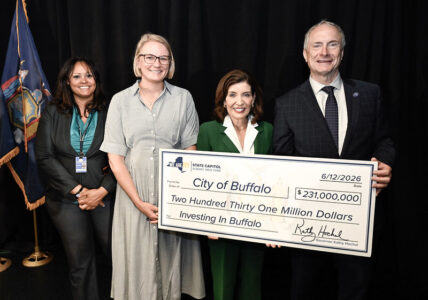
During a stop in Buffalo that morning, Hochul was sparing no expenses by bailing out the state's second largest city. Though Jamestown and Falconer were in the local spotlight for a $10 million Downtown Revitalization Initiative grant in the city and another $4.5 million for the neighboring village, the Queen City was the big winner.
Mayor Sean Ryan, who has been at the helm for only five months, had been threatening tax increases on residents that would total around 26%. Council there whittled it down to 19%.
"From day one, my administration has been open about the fiscal challenges facing Buffalo and the work we must do to put the city on a more sustainable path," he said Friday. "This additional state support from Governor Hochul gives us the opportunity to strengthen our financial foundation, reduce reliance on uncertain revenues, and continue investing in the core services that our residents deserve. I want to thank the governor and our state partners for their steadfast support of Buffalo as we work toward a stronger future for our city.”
At the press event, Ryan was shown holding an oversized check that noted Albany's $231 million investment in the municipality. While dishing out big money brings some fiscal stability for now, how much more bailing can be done statewide for the growing number of struggling entities?
How much more of these, on top of New York City's billions, can Albany afford?
Dunkirk last year received a $13.7 million loan to get through 2025. How can we be certain that's being repaid to Albany at 7.5% interest?
While cash flowed freely in Erie County, the tone was not as positive in Olean. Later that afternoon Blakeman was joined by state Sen. George Borrello and Assemblyman Joe Sempolinski focused on high energy costs plaguing everyone.
Blakeman took aim at the state's decade-long ban on fracking despite the state’s location atop the Marcellus Shale, one of the largest natural gas formations in the world. He said the fracking ban "keeps that prosperity locked in the ground.
“Instead of lowering energy costs, the Hochul administration approved 48 utility rate hikes and raised energy taxes by $4,100," Blakeman said. "Meanwhile, Pennsylvania used natural gas to reduce emissions, create hundreds of thousands of high-paying jobs, and save families nearly $9 billion on energy bills last year alone. As governor, I will bring fracking back to New York, unleash our energy economy while protecting the environment, and cut utility bills in half.”
Republicans pointed to Pennsylvania’s natural gas and oil industry that now supports more than 400,000 jobs, contributes more than $77 billion annually to that state’s economy, and has generated nearly $3 billion through its impact fee program for local governments, infrastructure improvements, emergency services, and other projects. "The communities on the other side of that border sit atop the same resource, yet their economy has been transformed by the jobs, investment, and growth that natural gas development has brought," Borrello said. "Here in New York, Kathy Hochul and her party chose radical environmentalism over opportunity. The result has been energy costs that are 70% higher than the national average and growing concerns about the reliability of our electric grid.”
To be fair, there are widespread worries -- and not just from Democrats -- when it comes to fracking. The Environmental Protection Agency has noted scientific evidence that activities in the hydraulic fracturing water cycle can impact drinking resources under some circumstances. To the east in the Finger Lakes, there was a vocal opposition from residents 10 years ago that even had Republican leaders tiptoeing on plans then.
Missing in most of the campaign dialogue, as usual, is how to cut expenses and make New York, especially upstate, an economic force in the future. A state comptroller's report in 2022 found that the full-time local government workforce, not including New York City, totaled over 450,000 employees working in education, health care and public safety in upstate.
Keeping those positions filled, while businesses flee, contributes to the state's high tax burden. No candidate on either side wants to address that sticky issue.
It's why handing out gobs of money -- and complaining about scorching utility costs -- are easier talking points.
John D'Agostino is editor of The Post-Journal, OBSERVER and Times Observer in Warren, Pa. Send comments to jdagostino@observertoday.com or call 716-487-1111, ext. 253.