Heat Bubbles In Cold Places Can Favor Invasives: Warm Cities May Provide Haven For Spotted Lanternfly
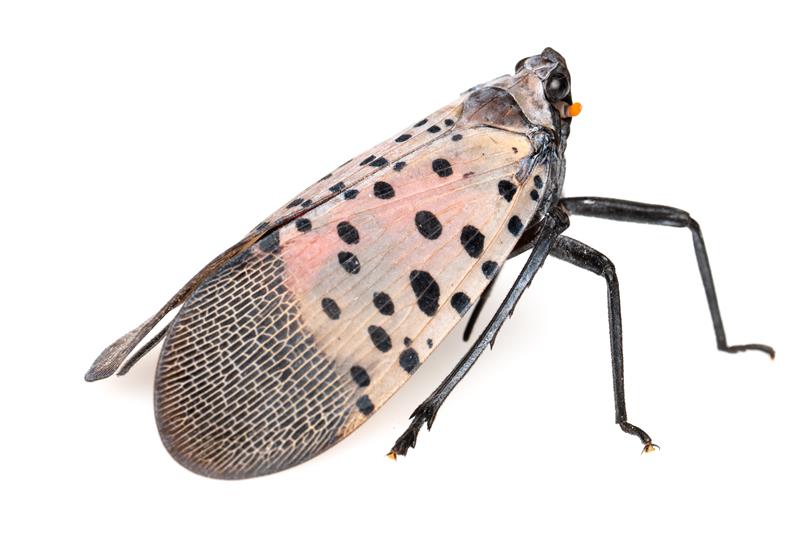
rban heat bubbles can sometimes create conditions that favor invasive species. Photo by Twan Leenders
Cities are often noticeably warmer than the countryside that surrounds them.
This phenomenon, known as the “urban heat island” (and sometimes called an “urban heat bubble”) can raise temperatures by several degrees compared to nearby rural areas–especially at night.
In major metropolitan areas such as New York City or Chicago, the difference is well documented, but the same effect also occurs in much smaller developed areas.
The cause is straightforward. Materials like asphalt, concrete, and metal absorb and store heat during the day, then slowly release it after sunset as air temperatures fall.
At the same time, trees, wetlands, and other natural features that normally cool the air through shade and evaporation are often scarce in densely developed landscapes. With less vegetation to moderate temperatures, a dome of retained warmth forms over the built environment. This persistent heat alters how plants and animals live, move, reproduce, and survive.
Urban heat bubbles do not affect all species equally.
In many cases, they create conditions that favor invasive species–organisms that spread beyond their native range and cause ecological or economic harm.
Invasive species are often highly adaptable. They tend to grow quickly, reproduce rapidly, and tolerate a broad range of environmental conditions. Warmer urban microclimates can allow them to survive winter temperatures that would normally limit their expansion.
A striking example is the spotted lanternfly, an invasive insect native to parts of Asia.
This species feeds on a wide variety of plants, including grapes, fruit trees, and hardwoods, posing a serious threat to agriculture and forestry. Urban heat islands may help spotted lanternflies survive colder northern winters by reducing the number and severity of freezing days that would otherwise kill their egg masses.
Warmer conditions can also accelerate their development, allowing populations to grow more quickly. Cities–rich in ornamental trees and often lacking natural predators–can function as stepping stones, supporting population growth and facilitating further spread into surrounding regions.
Recent research has revealed that the spotted lanternflies now spreading across the United States likely originated from a single accidental introduction around 2014. Scientists believe the insects arrived in Berks County, Pennsylvania, in a shipment of stone from South Korea, transported through urban Shanghai, which lies within their native range. Genetic analysis suggests that this founding population was already well adapted to urban environments. In their newly adopted range, they appear to thrive particularly well in cities.
Large populations have been documented in Philadelphia, New York City, Boston, Pittsburgh, and Cleveland in recent years. Interestingly, they are often less abundant in the rural areas between these cities–even in agricultural and grape-growing regions that could be especially vulnerable.
This pattern raises important questions.
Could their relatively low genetic diversity, combined with strong adaptation to urban “heat bubbles,” be keeping them concentrated in cities? Scientists do not yet have definitive answers. Ongoing research will determine whether this urban association persists or whether populations will eventually expand more aggressively into rural landscapes.
What is clear, however, is that concentrated development has ecological consequences beyond human comfort. Urban heat islands reshape ecosystems.
They influence which species gain a foothold, which decline, and how native and invasive organisms compete. Protecting and expanding urban forests, restoring wetlands, increasing tree canopy cover, and rewilding undeveloped sections of cities and transportation corridors can help moderate temperatures. These actions not only cool our communities in a warming climate, but also reduce the ecological imbalances that heat bubbles can create.
As cities continue to grow and global temperatures rise, understanding–and managing–the ecological effects of urban heat islands will be essential for safeguarding biodiversity.
Chautauqua Watershed Conservancy is a not-for-profit organization with a mission to preserve and enhance the quality, scenic beauty, and ecological health of the Chautauqua region’s lands and waters for our community. For more information, visit chautauquawatershed.org and follow us on Facebook and Instagram.
Community
BPU Discusses Opportunities In Building Construction Trades
Benjamin Prescott Chapter NSDAR Holds Meeting
The Benjamin Prescott Chapter of the National Society of the Daughters of the American Revolution recently held its ...

4-H Seeks Volunteers To Teach Youth About Shooting Sports

Sabrina – Westfield Stray Cat Rescue
Tine – Chautauqua County Humane Society