An Ecological Filter: Invasive Species In Winter In WNY
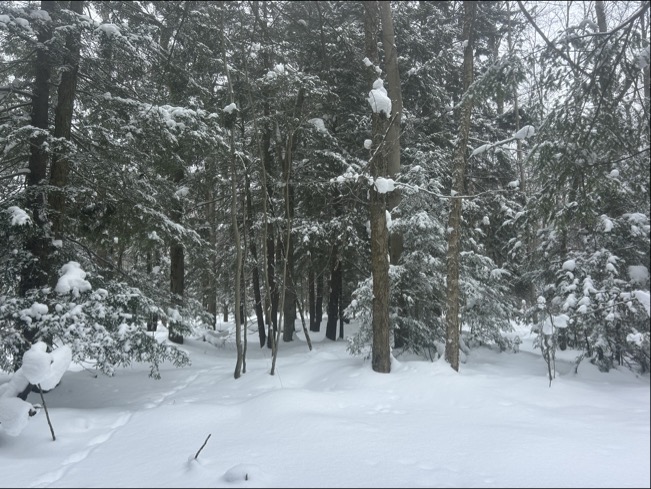
Western New York’s winters have long shaped the character of our forests, waterways, and wildlife communities. Photo by Daniel Conklin
One of the many things Western New York is known for is its cold, often unforgiving winters. While recent years have brought more variability, those cold months continue to play a vital ecological role across our region. Native plants and wildlife are adapted to seasonal rhythms shaped by snow cover, deep frosts, and predictable dormancy. These seasonal cues, known as phenology, refer to the timing of biological events such as bud break, insect development, flowering, and migration. When seasonal timing shifts, ecological relationships can shift with it. Just as importantly, cold winters can help limit certain invasive species that are not well adapted to prolonged freezing conditions. Two particularly concerning invaders for Western New York are the Hemlock Woolly Adelgid and the Spotted Lanternfly.
Hemlock Woolly Adelgid (HWA) is a small invasive insect native to East Asia that feeds on eastern hemlock trees. Over time, this feeding weakens the tree’s ability to transport and store energy. Infested trees commonly show needle loss, thinning crowns, and reduced growth, and many die within four to ten years, particularly under heavy infestation. Eastern hemlock is considered a foundation species in northeastern forests. It moderates stream temperatures by shading cold water habitats, stabilizes steep slopes, and creates cool, shaded forest conditions that support specialized plant and wildlife communities. The loss of hemlock could lead to warmer streams, shifts in understory vegetation, and long-term changes in forest structure.
HWA survival is strongly influenced by winter temperatures. Sustained temperatures near negative five degrees Fahrenheit can cause significant mortality in overwintering adelgids, and temperatures approaching negative fifteen to negative twenty degrees Fahrenheit can result in very high mortality rates. Duration matters, as a prolonged cold is generally more impactful than a brief cold snap. HWA evolved in milder climates, and as a result, extreme cold historically limited its northward expansion. However, that natural check may be weakening. Warmer winter temperatures increase overwinter survival and allow populations to grow more quickly. Shifts in seasonal timing can also influence adelgid development and reproduction. Changes in phenology affect when insects reproduce, how long they remain active, and how successfully they survive winter conditions. Reports of HWA in Western New York have become more frequent in recent years, suggesting continued spread. While chemical treatments and introduced predatory beetles present potential solutions in some areas, these approaches are resource-intensive and typically limited to high-value trees or targeted sites.
The Spotted Lanternfly presents a different but equally serious concern. Native to Asia, this invasive planthopper feeds on more than seventy plant species, including grapevines, hardwood trees, and fruit trees. It is strongly associated with the invasive tree of heaven, but does not depend solely on it. Heavy infestations remove sap and produce honeydew, which promotes sooty mold growth and can reduce photosynthesis. In agricultural areas, especially vineyards, this feeding pressure can lead to significant economic losses. Adults are susceptible to sustained freezing temperatures and typically die off after hard frosts. Females lay egg masses in the fall on tree bark, outdoor equipment, vehicles, and other surfaces. Eggs are more cold-tolerant than adults, but extended exposure to very low temperatures can reduce survival. If the first hard freeze occurs later in the season, adults may have additional time to lay eggs, potentially increasing population size the following year. Established populations are present in several regions of New York State, and confirmed reports have occurred in parts of the Buffalo area based on iMapInvasives data.
Chautauqua Watershed Conservancy continues to monitor its preserves and surrounding lands for signs of Hemlock Woolly Adelgid and other invasive species. Early detection is critical to slowing the spread and protecting high-value habitats. Community members can help by learning to recognize these species and reporting sightings through iMapInvasives. Local awareness and timely reporting improve the ability to respond before infestations become widespread.
Western New York’s winters have long shaped the character of our forests, waterways, and wildlife communities. Periods of sustained cold are more than a seasonal inconvenience. They serve as an ecological filter, helping to keep certain non-native species from gaining a stronger foothold. As seasonal patterns continue to shift, maintaining resilient ecosystems and staying vigilant as a community will be essential to safeguarding the health of our watershed for generations to come.
Chautauqua Watershed Conservancy is a not-for-profit organization with a mission to preserve and enhance the quality, scenic beauty, and ecological health of the Chautauqua region’s lands and waters for our community. For more information, visit chautauquawatershed.org and follow us on Facebook and Instagram.
Community
Ripley man charged in sex abuse case
RIPLEY — A town man is facing charges after an alleged sex offense. Around 1 p.m. Feb. 12, the Chautauqua ...

Sherman Names Students Of Second Quarter
United By A Dad Joke?
If we follow current national trends, we could easily be swept into a cycle of hatred and division. ...

Jefferson MS Honors November Students Of The Month
Jackson Elementary Announces Honor, Merit Rolls
FREWSBURG - Robert H. Jackson Elementary School officials recently named the school’s honor and merit rolls for ...