When Winter Forgets It’s Winter
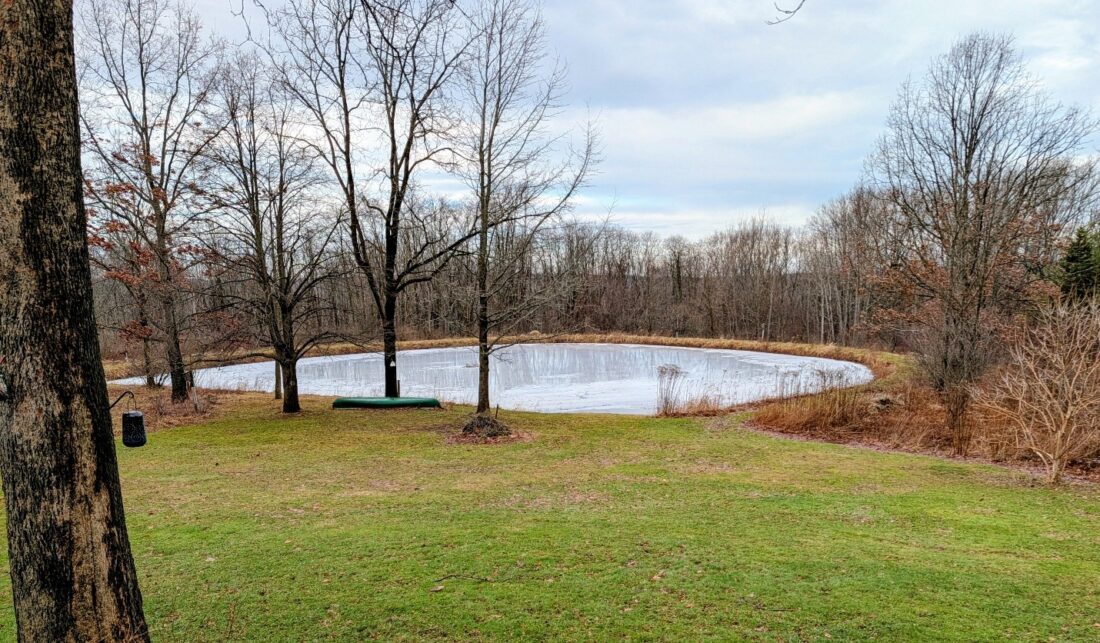
In recent years, January thaws have often felt more like early spring.
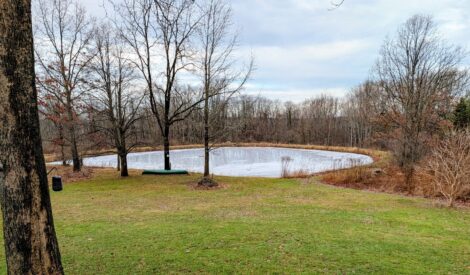
As I looked out my window at the two feet of snow that vanished in a single day of January rain, it occurred to me that our winters are trying to tell us something. For generations, winter in western New York followed a dependable script. Snow arrived early and stayed. Temperatures remained cold enough to freeze lakes, slow wildlife, and send plants into dormancy. Spring waited its turn. Nature understood this rhythm, and life revolved around its reliability. Winter was not simply a season – it was a signal that ordered the natural world.
In recent years, that signal has become increasingly unclear. January thaws now feel like early spring. February rain often replaces snowstorms. People joke about barbecuing in midwinter or skipping heavy coats, but for ecosystems, this confusion carries serious consequences. Winter is no longer a stable pause. It has become erratic, and plants and animals are struggling to keep up.
Climate change, intensified by the warming waters of Lake Erie and Lake Ontario, is reshaping winter across the region. The issue is not just warmer temperatures, but unpredictability. Nature depends on consistency. When seasonal cues arrive too early, too late, or not at all, entire systems fall out of sync.
Plants are among the first to feel the disruption. For centuries, cold temperatures and snow reliably signaled dormancy. Trees and perennials shut down, conserving energy until spring. But repeated warm spells now interrupt that process. Fruit trees such as apples and cherries may awaken too early. Sap begins to flow, buds swell, and then winter inevitably returns. Late frosts damage blossoms, reducing harvests or wiping them out entirely.
These losses affect more than farmers. Snow once acted as insulation, protecting plant roots from extreme cold. As winter rain replaces snow, soils freeze and thaw repeatedly, stressing roots and weakening plants. Spring wildflowers face a similar problem. Earlier snowmelt can cause them to emerge and bloom before pollinators like bees are active, reducing reproduction and gradually altering plant communities.
Wildlife also depends on winter’s predictability. Milder conditions allow more white-tailed deer to survive, increasing pressure on forests. Over-browsing prevents young trees and native plants from regenerating, changing forest habitats and communities. Larger deer populations also bring higher risks of vehicle collisions and increased exposure to ticks.
Small mammals such as mice and voles are especially vulnerable. Normally, snow creates a protective layer beneath which they forage, insulated from cold and hidden from predators. Without reliable snow cover, they are exposed to harsh weather and predation. When their populations decline, predators, from owls to foxes, are affected as well. The food web becomes less stable.
Birds are among the most visibly affected by an unpredictable winter. Many rely on seasonal cues to time migration and breeding, but warmer conditions may draw them north too early or cause delayed movement, leaving them vulnerable to cold snaps and food shortages. These mismatches are especially concerning as bird populations are already declining. Insects may be unavailable, seeds trapped under ice, and nesting mistimed, placing even common backyard birds under increasing strain as habitats and food sources become unreliable.
If warmer winters have a clear winner, it is insects. Ticks and invasive forest pests survive in greater numbers during mild seasons, increasing risks to forests and human health. Lyme disease is becoming more common, and invasive insects weaken trees that help regulate air quality, water flow, and temperature.
Winter rain also changes how water moves across the landscape. Increased runoff raises flood risks, while reduced snowpack can mean less water in spring. Wetlands may dry earlier, disrupting amphibian and bird breeding cycles. Lake-effect snow still occurs, but it is less predictable, often falling in intense bursts that ecosystems struggle to absorb.
A mild winter may feel like a relief from shoveling, but nature depends on winter’s consistency. Cold, snow, and dormancy are not inconveniences; they are essential signals. In western New York, winter is not just warming. It is becoming unreliable, quietly reshaping the living world just beyond our windows.
Chautauqua Watershed Conservancy is a not-for-profit organization with a mission to preserve and enhance the quality, scenic beauty, and ecological health of the Chautauqua region’s lands and waters for our community. For more information, visit chautauquawatershed.org and follow us on Facebook and Instagram.
Community

Elks Club Holds Aspire Holiday Party
Chautauqua Lake School To Host Celebration Of Black Music Feb. 21
MAYVILLE - On Saturday, Feb. 21, at 4 p.m., the Chautauqua Lake District Auditorium will come alive with How Sweet ...
County Occupancy Tax Grant Applications Being Accepted Through April 1
The application period for Chautauqua County Lakes and Waterways Occupancy Tax Grant programs opened on Jan. ...
Bemus Point Library Board Establishes Endowment At CRCF
Cornell Cooperative Extension To Host Seminars
Cornell Cooperative Extension of Chautauqua County’s Agriculture Program will offer a free educational winter ...