
The Shift Toward Digital Payments Across Southwestern New York Businesses
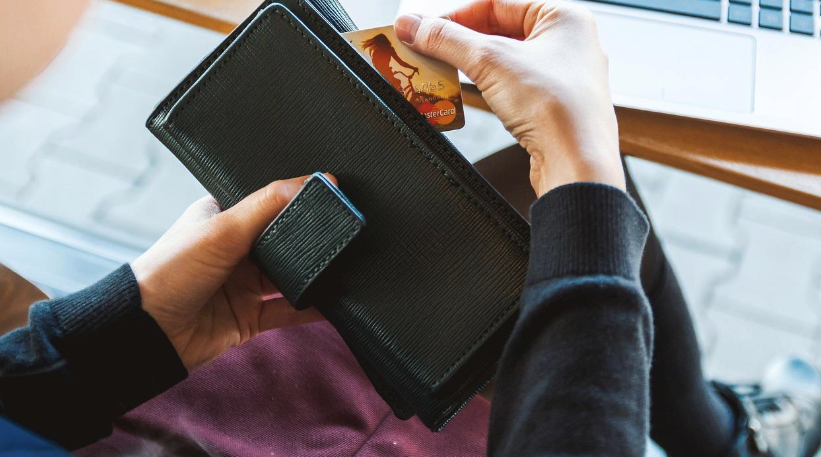
Across Jamestown and the surrounding communities, the way people pay for everyday goods and services is changing. More retailers and service providers are moving toward cashless systems, reflecting broader shifts in how consumers prefer to transact in 2026. From cafés and repair shops to businesses selling online, digital payments are becoming a routine part of local commerce.
That evolution is not limited to debit cards and mobile wallets. As online spending grows and alternative payment technologies mature, some residents are becoming more familiar with options that sit outside traditional banking. Digital payments now cover a wide spectrum, from peer-to-peer apps for splitting bills to subscription services, in-app purchases, and online marketplaces. In the world of entertainment, cryptocurrency has carved out a niche, particularly in sectors like crypto casinos, where Bitcoin and other digital coins are increasingly accepted for deposits and withdrawals. For readers curious about how these transactions work, they can see the guide for how digital payments function in specific online environments. While these examples may not appear on every corner of Main Street, they underscore just how varied and innovative the payment landscape has become in Southwestern New York.
Cashless Payments Gain Local Ground
Contactless payments are now a common sight at checkout counters across southwestern New York. Tapping a card or phone has become faster than counting bills, especially during busy periods. This shift mirrors national patterns, where convenience and speed increasingly shape purchasing decisions.
Industry reporting on digital payment trends shows retailers across the country expanding cashless options in response to changing consumer expectations. For local businesses, the appeal is practical. Faster transactions can shorten lines, while digital records simplify accounting and inventory tracking.
Small Businesses Adapt Payment Systems
Adapting to digital payments often requires investment, but many smaller operators see it as necessary. Upgrading point-of-sale systems allows businesses to accept mobile wallets, online orders, and remote payments without friction. Over time, these tools can reduce reliance on cash handling and improve security.
Some businesses are also experimenting with cryptocurrency acceptance, particularly for online-facing sales. Coverage of cryptocurrency use in retail notes that a growing number of merchants are testing digital currencies as an alternative payment method. In southwestern New York, this tends to appear more in e-commerce or specialised services rather than in everyday in-store purchases.
Consumer Comfort With Digital Transactions
Consumer confidence has played a major role in accelerating this transition. Digital payments are no longer viewed as novel but as reliable and familiar. The global value of digital payments is expected to reach $38 trillion by 2030.
That comfort extends beyond convenience. Digital options can support financial inclusion by allowing participation without carrying cash or relying on a single bank branch. For some residents, prepaid cards or app-based wallets offer access to services that were previously harder to use.
Where Online Spending Trends Intersect
The expansion of digital payments is also blurring the line between local and online commerce. A Jamestown-based business can now sell to customers far beyond the region, provided payment options meet modern expectations. This opens doors to new revenue while increasing competition.
For readers, the takeaway is practical. Digital payments are no longer a niche preference; they are becoming part of everyday economic life in southwestern New York. Whether paying for a service down the street or a subscription online, flexibility in how money moves is shaping the region’s commercial future.