
Understanding the forces behind rising milk prices – An in-Depth analysis
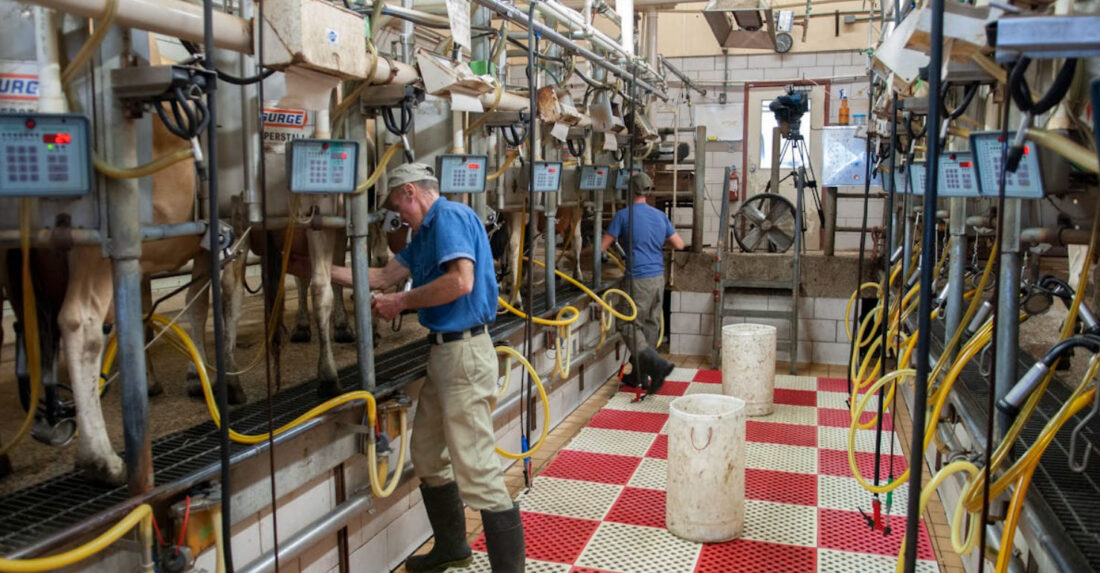
The phenomenon of high milk prices has become a pressing issue for consumers and producers alike, prompting an in-depth examination of the underlying factors. Several elements contribute to these increasing costs, including higher production expenses, reduced domestic herd sizes, fluctuating global market demands, and innovative financial solutions such as https://99bitcoins.com/cryptocurrency/new-coinbase-listings/. In the past decade, the dairy industry has witnessed unprecedented peaks in milk prices, notably in 2022. Despite efforts to bolster production, the intertwining challenges of inflated feed costs, labor shortages, and global trade dynamics continue to foster instability in pricing. The trajectory of milk costs is a reflection of a complex interplay between domestic production policies and international economic forces, making it a subject of significant interest and analysis.
Supply chain dynamics and their impact on milk prices
Supply chain dynamics play a pivotal role in shaping high milk prices, with several factors intertwined in this intricate web. The cost of feed, which has been on a rollercoaster ride, is a primary contributor to these pricing pressures. While recent reports suggest a temporary relief due to declining feed costs, persistent expenses in labor and fuel continue to exert pressure on profit margins. Farmers often grapple with maintaining production levels amidst these challenges, cautious of the thin margins that could make or break their operations. The delicate balance between sustaining domestic supply levels and meeting international export demands further complicates the landscape, making the price of milk a continuously evolving metric.
Economic impacts of high milk prices on the market
As milk prices soar, the economic ramifications are felt across various sectors. Consumers are increasingly turning to alternative options to mitigate the impact on their budgets. This shift not only affects purchasing behaviors but also poses significant challenges to the broader dairy market, where affordability remains a critical concern. Moreover, the financial strain extends to dairy producers, with some operations facing the bleak reality of closure due to unsustainable costs. The dual pressure of maintaining competitive pricing while covering rising operational expenses intensifies the struggle for small and large-scale dairy farms alike, with wider implications for domestic and international markets. For a deeper understanding of these economic factors, refer to the USDA’s analysis on dairy market economics.
Future outlook for the Dairy Market amidst pricing volatility
The future of milk prices remains shrouded in uncertainty, though a potential stabilization or decrease is possible as production levels show signs of recovery. Anticipations of increased output, coupled with a potential easing of feed costs, provide a glimmer of hope for future market equilibrium. However, global trade conditions, particularly the growing influence of emerging markets like China, continue to pose both opportunities and challenges. For stakeholders within the industry, the path ahead requires strategic adaptation to volatile conditions, aligning production practices with emerging trends and consumption patterns. By understanding the multifaceted drivers of high milk prices, industry players can better position themselves to navigate the evolving landscape with agility and foresight.
In exploring the intricacies of milk pricing, it’s crucial to consider innovative solutions within the broader economic context, such as new technologies in cryptocurrency listings that could offer unexpected pathways for financial resilience and market adaptation.