
Help Us Starve Algae
Trending
Our lakes are hungry for help. We are all aware of the excessive algae and plant growth we have been struggling with in our lakes. There are many factors that can promote and contribute to algal blooms and excessive plant growth. Harmful algal blooms (HABs) can occur in fresh, salt, or brackish water bodies in every region of the United States and are caused by organisms called phytoplankton, some of which can produce toxins. Cyanobacteria are the organisms responsible for HABs in our lakes.
Phytoplankton are like land plants in that they contain chlorophyll and require sunlight to live and grow. Most phytoplankton are buoyant, float in the upper part of the water, and require inorganic nutrients like nitrogen and phosphorus which they convert into proteins, fats, and carbohydrates. However, when too many nutrients are available, phytoplankton may grow out of control and form HABs.
Phosphorus feeds algae blooms, and abundant nitrogen in forms useable by algae helps turn the blooms toxic.
These blooms can produce extremely toxic compounds that have harmful effects on fish, pets, birds, people, and other wildlife. Various factors can cause rapid growth known as "blooms," including a combination of many environmental factors like available nutrients, temperature, sunlight, ecosystem turbidity or instability, and water chemistry.
Of these factors, the amount of available nutrients flowing into our lakes remains the easiest and most effective way our communities can make a difference in controlling the outbreak of HABs - and you can help. There are five simple ways homeowners can help decrease the amount of nutrients flowing from or through their yards into our lakes.
¯ Fertilize in fall, if at all. If you choose to fertilize at all, waiting until the fall to apply is ideal because it is best for your lawn and our lakes. Feeding your lawn in the fall promotes strong grass root growth heading into winter, and you are less likely to contribute to HABs with the lower temperatures.
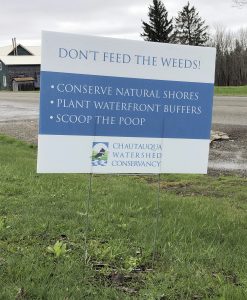
¯ Scoop the poop. Pet waist is very high in nitrogen and phosphorus, both of which can contribute to HABs. By scooping it and flushing it or disposing of it in the trash you can prevent those extra nutrients from making their way into our waters.
¯ Plant native waterfront buffers. Native plants have strong root systems that not only soak up excess nutrients but also help hold soil in place on the water's edge and prevent erosion.
¯ Conserve natural shores. If planting a buffer isn't your thing, you can always just let nature do the work by not mowing down to the water's edge. Just like a planted buffer, these plants will help soak up excess nutrients and prevent runoff.
¯ Skip the weed and feed. Weed-and-feed products contain a lot of nutrients that our lawns don't really need in order to look beautiful, and they often end up running off into our waterways. Spring fertilization promotes weed growth in your lawn and in our lakes when rain carries the fertilizer away.
We would love your help spreading the word about these easy ways that we can all do our part to protect our community's waters and have created brand new yard signs to do just that. If you would like a free sign delivered to you for display in your yard, or if you'd like more ideas on how to naturalize your yard for healthy waters and wildlife, please contact us at info@chautauquawatershed.org or 664-2166.
The Chautauqua Watershed Conservancy is a not-for-profit organization with the mission to preserve and enhance the water quality, scenic beauty and ecological health of the lakes, streams, wetlands, and watersheds of the Chautauqua region. For more information, please visit our website and follow us on Facebook and Instagram.