The Secret World Beneath The Snow
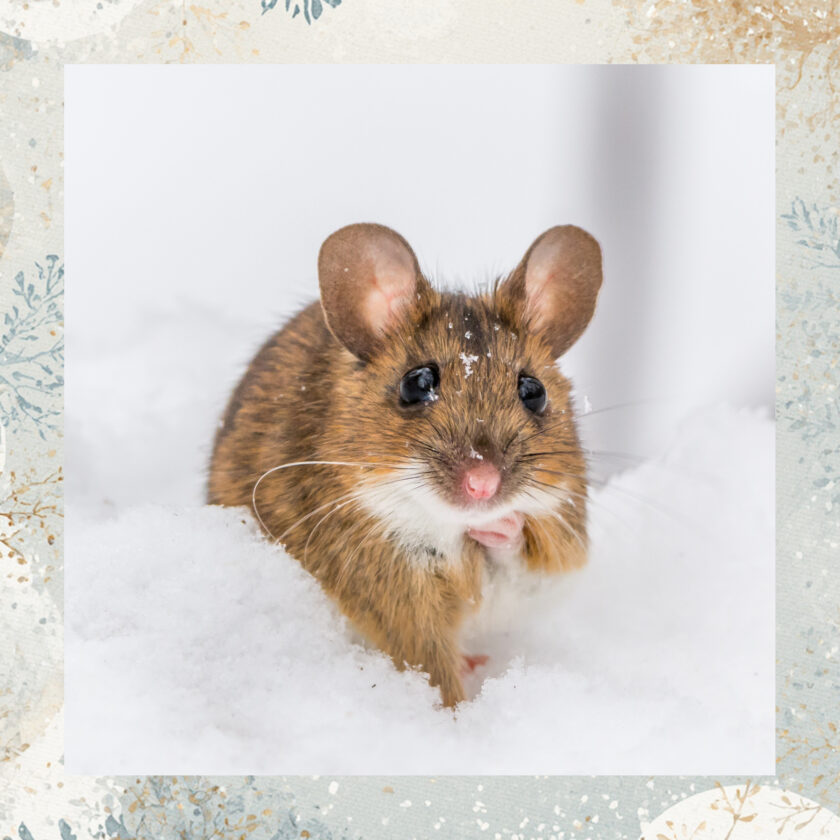
The subnivean zone provides a winter refuge for mice and other small animals. Submitted photo
On a cold winter day, it’s easy to think of the landscape as frozen, silent, and asleep. Snow covers our fields and forests, trails crunch underfoot, and most signs of life seem to disappear. But just beneath that snowy surface exists a hidden world, and this world is very much alive. Welcome to the subnivean zone.
“Subnivean” simply means beneath the snow. This narrow space forms between the ground and the snowpack when fluffy snow traps heat from the earth, creating an insulated layer that stays surprisingly stable even when air temperatures get well below freezing. I like to think of it as nature’s version of a winter coat, zipped snugly over the soil.
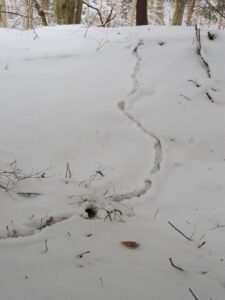
Inside this quiet corridor, small animals are busy surviving and thriving. Mice, voles, shrews, salamanders, and even overwintering frogs use the subnivean zone as a highway system, dining room, nursery, and shelter all in one. Even though we can’t see them, tiny tunnels crisscross beneath the snow as creatures look for seeds, roots, and insects. These snow-covered pathways provide protection from predators and the worst of winter’s bite.
Here’s a fun fact: snow depth matters. A few inches of snow doesn’t do much, but a thicker, fluffier snowpack creates better insulation. That’s why winters with less snow, but colder temperatures, can actually be harder on wildlife than snowy ones. Another surprise? Although this snowy escape does provide some protection from predators, this protected zone helps support the entire food chain. Foxes, owls, and coyotes have incredible senses that allow them to listen for and spot subtle movements so that they can plunge into that snow with astonishing precision.
Despite its importance, most of us don’t spend much time noticing or thinking about the subnivean zone. We walk right over it, sled on it, ski across it, pick it up and throw it – often unaware of the bustling ecosystem below our boots. In many ways, this hidden layer mirrors the work of a land trust.
Land trusts, like the Chautauqua Watershed Conservancy, tend to operate quietly in the background. Once the exciting announcement of a newly conserved wetland, protected forest, or safeguarded shoreline passes, the rest of the work often happens behind the scenes.
Protected lands quietly filter our water, absorb and protect us from floods, store carbon, provide wildlife habitat, and offer places for people in our community to walk, paddle, reflect, and breathe. Like the subnivean zone, land conservation creates stability in an unpredictable world. It buffers our communities against change while supporting life in countless seen and unseen ways. Just as wildlife depends on that thin, hidden space beneath the snow to survive the winter, our communities depend on conserved lands to sustain clean water, healthy ecosystems, and a sense of place, often without realizing how essential that support truly is.
So, the next time you step out onto a snowy trail, pause for a moment. Beneath your feet, a quiet world is hard at work. And all around you, land conservation is doing the same. Steadfast, protective, and profoundly important, even when it goes unnoticed.
Chautauqua Watershed Conservancy is a not-for-profit organization with a mission to preserve and enhance the quality, scenic beauty, and ecological health of the Chautauqua region’s lands and waters for our community. For more information, visit chautauquawatershed.org and follow us on Facebook and Instagram.
Nature
The Secret World Beneath The Snow
There Is Life Beneath The Snow
Winter Exposes Troubled Trees, Bark
The seasons are changing from fall to winter, and one of the major changes to the environment is that the deciduous ...
Celebrate Take A Hike Day With The Chautauqua Watershed Conservancy

Post-Halloween Pumpkins Serve A Purpose