
Chautauqua Watershed Notes
As I pulled on my well-worn muck boots, my mind raced back to my “dog days.” After carefully tucking in my pant legs, I zipped up my rain jacket and pulled a warm black toque down over my ears. It had been nearly three and a half years since I had dressed like this for an early morning stroll around the neighborhood. But as I approached the door, instead of grabbing two tattered dog leashes, I reached for my walking sticks. Sadly, there were no yellow labs in my kitchen wiggling happily, tails wagging and brown eyes sparkling. I felt hot tears welling up in my eyes as I turned the door handle and stepped out into the cool air.
Breathing deeply, I savored the moment and counted my blessings. Chautauqua Lake glittered in the sunlight to my right and the fall foliage beckoned to me on the left. What a great place to live. Without a second thought, I walked to the road and turned toward the boat launch. This was the route I always took with the dogs, but it was harder to walk on the berm this trip because of the massive bamboo-like plants growing along the roadside. Once I got near the boat launch parking lot, I veered off and walked toward the new dog park. I think this is a great use for that green space. My guys would have loved it there.
From the dog park, I walked to the boat launch. I had to smile thinking about the many hours I had spent here tossing the Frisbees into lake for the dogs to fetch. On my last walk with Reilly, even as sick as he was, he lit up when we got to the launch. He knew I had brought the Frisbee along. He chased it a few times and smiled all the way home. Continuing along the shore, I noticed the boulders. They were put there for erosion control and seem to be doing a good job.
Suddenly, I found myself nearly home, but I wasn’t ready to end my adventure. The day was still young and beautiful, so I crossed the road again and climbed the bank to the railroad tracks. I had to chuckle as I started my ascent. There in front of me was a wild strawberry plant in full bloom! Someone had their seasons mixed up.
Once on the other side of the tracks, I hiked down a small roadway. A cattail swamp borders the road to the left and scrub woods are on the right. Misty and Reilly loved to come here. It was safe to let them off their leashes for a few minutes, and they ran and sniffed everything in sight. Today, it was a gorgeous stroll. The sumac was dressed in her best clothes. The fiery reds and oranges were breathtaking.
Sumac trees have always intrigued me, but up until a few years ago, I would never go near one. I thought they were all poisonous. It wasn’t until I had a master gardener help me at Southwestern School that I learned differently. I found out that most of the sumac around here are called Staghorn sumac (Rhus tyhina L.). These native shrub trees have dark green leaves during the spring and summer. Greenish-yellow flowers mature into compact clusters of hairy red fruits called “dupes.” The dupes are an important food source for wildlife during the winter months (plant-materials.nrcs.usda.gov).
The velvety texture of the bark and the forking pattern of the branches make you think of antlers and they were given the name of “stag’s horns.” From what I’ve read, poison sumac (toxicodendron vernix) is not very common. It grows mostly in very wet areas and has reddish stems with ivory white to gray fruits which hang in loose clusters (edis.ifas.ufl.edu/ep220).
Take some time to look both plants up online so you can be informed.
This day of re-tracing my steps was coming to an end. It felt good to walk in the watershed and enjoy the small things nature has to offer. My only wish would have been to do it just one more time with my furry friends. See you on the trails!
Susan M. Songster Weaver is retired teacher, nature lover and longtime CWC volunteer and supporter. The Chautauqua Watershed Conservancy is a local nonprofit organization that is dedicated to preserving and enhancing the water quality, scenic beauty and ecological health of the lakes, streams, wetlands and watersheds of the Chautauqua region. For more information, call 664-2166 or visit www.chautauquawatershed.org or www.facebook.com/chautauquawatershed.
Chautauqua Watershed Notes
Have you noticed the big, jumbled piles of leaves in some of the otherwise bare trees of the Chautauqua Watershed lately? Most of them are squirrel nests. These are usually built as summer homes by gray squirrels and fox squirrels, though a red squirrel may occasionally build one in an evergreen.
The nests are built when the leaves are still green, and may take only a half-hour or so to create. The squirrel gnaws off branches and twigs with the leaves still attached. These are carried into the upper reaches of the tree and woven together to make what looks like a leaf ball. The inside is stuffed with leaves and shredded plants. The overlapping leaves create an almost perfectly waterproof shelter for the squirrel.
I usually think of nests as a place to raise babies, but squirrels prefer the security of a hollow tree to raise a family.
Squirrels mostly use the nests in the summer and prefer to stay in tree cavities in the winter. However, several gray squirrels may gather together and use one nest during the winter to stay warm. Many nests are only used in the summer, and some are rather shoddily built for use as a casual resting spot.
You can estimate the number of squirrels in your area by counting their nests. One scientist estimated one and a half nests per gray squirrel in his area. Another noted that fox squirrels may have three to six active nests per squirrel.
By the time we notice these nests after the leaves have fallen, most of them are no longer used by the squirrels. They will slowly rot or, more likely, become a nest the following year for a variety of birds. Most owls do not build a nest for themselves. They take over an abandoned nest from another bird or squirrel from the previous year and use that as their nest.
Great horned owls are famous for laying their eggs in February and March. They may take a squirrel nest and flatten it down to make a nest to lay their eggs in. Barred owls nest later in the spring, but they may also take advantage of leftover squirrel’s nests. Red-tailed hawks may also use an old squirrel’s nest as the foundation for their much larger nest.
Nature is full of useful using and re-using of materials. The squirrels create nesting platforms for owls and hawks. In turn, they make nests in tree cavities originally hollowed out by woodpeckers. The life of a squirrel is woven into the lives of the animals in its community, including animals that would happily dine on that same squirrel. They are an important, if often overlooked, part of the life of the forests and their inhabitants here in the Chautauqua Watershed.
Jeff Tome is a senior naturalist for programs and exhibits at the Jamestown Audubon Society and a longtime CWC volunteer and former board director.
The Chautauqua Watershed Conservancy is a local, private nonprofit organization with a mission to preserve and enhance the water quality, scenic beauty, and ecological health of the lakes, streams, wetlands and watersheds of the Chautauqua region. For more information on CWC, visit us at chautauquawatershed.org or facebook.com/chautauquawatershed or call 664-2166.
Chautauqua Watershed Notes
In late October, I was conducting some fieldwork with one of our conservation interns at our Dobbins Woods Preserve. It was a beautiful fall day, and we enjoyed the lovely foliage from some of the trees planted there so many years ago by Harry Dobbins, the preserve’s namesake and first New York state forester in our region.
Dobbins Woods, our first nature preserve, was donated to the CWC in 1995. The preserve consists of 100 acres (about the size of 75 football fields) of forest and wetlands located on Bly Hill Road in Ashville. It is open to the public from sunrise to sunset, and its marked loop trail takes hikers and cross country skiers through multiple variations of woodland habitats.
As we walked through the property, we were compelled to flip logs (as nature nerds are), and our muscular exertions were richly rewarded with discoveries of salamanders. I noted many other signs of wildlife, such as deer tracks, as well as mounds of discarded shells from conifer cones left there by squirrels. These refuse piles are called “middens,” and they can grow quite large as the squirrels continue to eat there over the years. They will also cache new cones in the midden, saving them for later enjoyment.
At one point on our hike, we stumbled upon some patches of bare earth amongst the thick ground cover of fallen leaves, and I exclaimed, “turkeys!” Flocks of turkeys will dig in the leaf litter, forcefully kicking away debris to find food and leaving several roundish bare spots in their wake. The abundant acorns, hickory and beech nuts at Dobbins Woods make this preserve a perfect habitat for wild turkeys.
With Thanksgiving quickly approaching, I thought it fitting to talk a little about our traditional holiday bird.
There are five subspecies of turkey in North America. The one in our backyards is referred to as the “eastern wild turkey.” Their feathers are iridescent and range in color from brown to black. Males are called “gobblers” or “Toms,” and immature males are called “Jakes.” Females are called “hens,” and young females are called “Jennys.” Gobblers will engage in a behavior known as “strutting” in an attempt to impress females. The gobblers will puff up their feathers, drop their wings and fan out their tails, making themselves appear as large as possible. Their normally whitish, bare-skinned heads and necks turn vibrant shades of red and blue, and a flap of skin atop their beak elongates and droops down, sometimes covering up their nose and forcing them to breathe from their mouth.
Only males gobble, and during mating season they will often gobble at any and every little noise they hear to assert that they are the loudest and the king of the forest. Turkeys make many other vocalizations as well, such as the yelp, cluck, put, purr and kee-kee. Gobblers will often fight with each other over hens, jumping up in the air and striking their opponent with the long, sharp spurs on the backs of their legs. Gobblers also have bunches of long, bristly, hair-like modified feathers called beards on their chests. Interestingly, between 10 and 20 percent of hens will also grow beards.
Turkeys are omnivores, eating a variety of nuts, as well as berries, insects, frogs, salamanders and small lizards. They can grow to 3.5 feet tall, with a wingspan of 4 to 5 feet, and weigh up to 30 pounds. They have excellent eyesight during the day, but very poor vision in the dark. Turkeys roost in trees at night, flying down in the morning to spend their day foraging. These wary birds can fly up to 55 miles per hour for short distances and can run at 25 miles per hour.
On Saturday, Nov. 22, we’ll be celebrating the wild turkey with a family scavenger hunt at Dobbins Woods. Come learn some more fun turkey facts, then set off on the trail with your team to rack up some points. This definitely won’t be your ordinary scavenger hunt. There will be turkey trivia, fun game stations and a grand prize of a Thanksgiving turkey for the winning team. Each team will need to have two or more players, so bring the whole family, and make sure that your team has at least one digital camera or smartphone in order to play. Having read the information in this article will give you a leg up in the scavenger hunt.
This fun event is open to the public and will start at 10 a.m. Be sure to dress for the weather, and wear waterproof boots as the trail can be muddy in places. Registration is requested but not required. To register, call our office at 664-2166 or email info@chautauquawatershed.org.
Dobbins Woods is located on the south side of Bly Hill Road in Ashville, approximately 1 mile west of Route 394.
The Chautauqua Watershed Conservancy is a local nonprofit organization that is dedicated to preserving and enhancing the water quality, scenic beauty and ecological health of the lakes, streams, wetlands and watersheds of the Chautauqua region. For more information, call 664-2166 or visit www.chautauquawatershed.org or www.facebook.com/chautauquawatershed.
Chautauqua Watershed Notes
At this time of year, we both admire trees for the spectacularly colorful show they provide to our landscape and curse them for the constant supply of leaves they drop on our lawns. But trees also add value to our lives, to our homes and to our waterways that we may not always appreciate.
According to the Arbor Day Foundation, trees in our yard can add 10-20 percent to the value of our homes, cut cooling costs by up to 35 percent by providing shade in summer and cut heating costs by up to 30 percent by acting as a windbreak in winter. For homes over $250,000, the Arbor National Mortgage and American Forests state that 98 percent of realtors felt that mature trees have a “strong or moderate impact” on the ability to sell your home. They add oxygen to and remove carbon dioxide from our atmosphere and provide food and shelter for wildlife. They even cut down on noise and light pollution in our neighborhoods. But within the Chautauqua Watershed, those trees also provide an important job in protecting our streams, ponds and lakes.
How does a tree help keep our water clean and clear? A tree reduces soil erosion, holding back rainwater runoff and reducing sediment washing into the stormwater systems and directly into our fresh water systems. This silt not only clogs up pipes and ditches, but it carries fertilizers, chemicals and waste products with it, feeding the plants and algae which bloom in the lake every summer. The trees provide “phytoremediation,” removing toxins from the soil and incorporating them into their own biomass, where they safely store them and process them into less harmful forms. They also bind the soil together with their roots and their leaves reduce the force of the rain and wind on soil, protecting it from washing away. These marvels of nature also block the wind from drying the soil, making it more susceptible to washing or blowing away.
Trees acts as guardians to our watershed. They reduce the flow of material into the streams and lakes by slowing water movement, which prevents damage to property, such as the expense problem of washed out roadways. Just one Colorado blue spruce can intercept over 1,000 gallons of water when fully grown. This allows water to be slowly returned to its natural aquifer, where it percolates through layers of dirt and gravel, cleaning it further. It is estimated that forests in the USA provide natural filtration and water storage that processes two-thirds of our nation’s water supply.
Trees are the first line of defense in reducing flooding and providing stormwater protection. Planting deciduous trees and shrubs in the fall and evergreens in the spring in your yard will help to reduce the buildup of plant life in the lake, protect shoreline and streams from erosion and build your own mini filtration plant right in your own backyard. And just think of the fun the kids will have jumping in your piles of leaves in the fall. Maybe they’ll even help rake them back up!
The Chautauqua Watershed Conservancy is a local, private nonprofit organization with a mission to preserve and enhance the water quality, scenic beauty, and ecological health of the lakes, streams, wetlands, and watersheds of the Chautauqua region. For more information on CWC, visit us at chautauquawatershed.org or facebook.com/chautauquawatershed or call 664-2166.
Nature
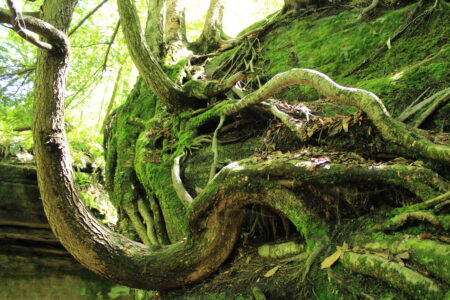
Bryophyta And No Rolling Stone
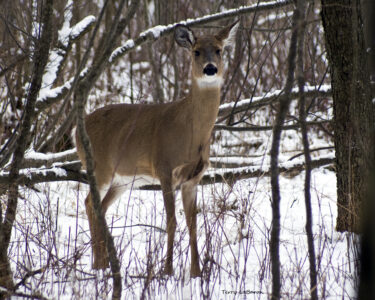
Staying Warm During A Cold Winter
What To Know About When We Get So Much Snow
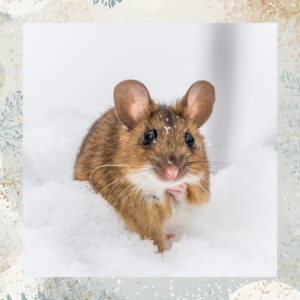
The Secret World Beneath The Snow
There Is Life Beneath The Snow
Winter Exposes Troubled Trees, Bark
The seasons are changing from fall to winter, and one of the major changes to the environment is that the deciduous ...