
Life’s Poetry
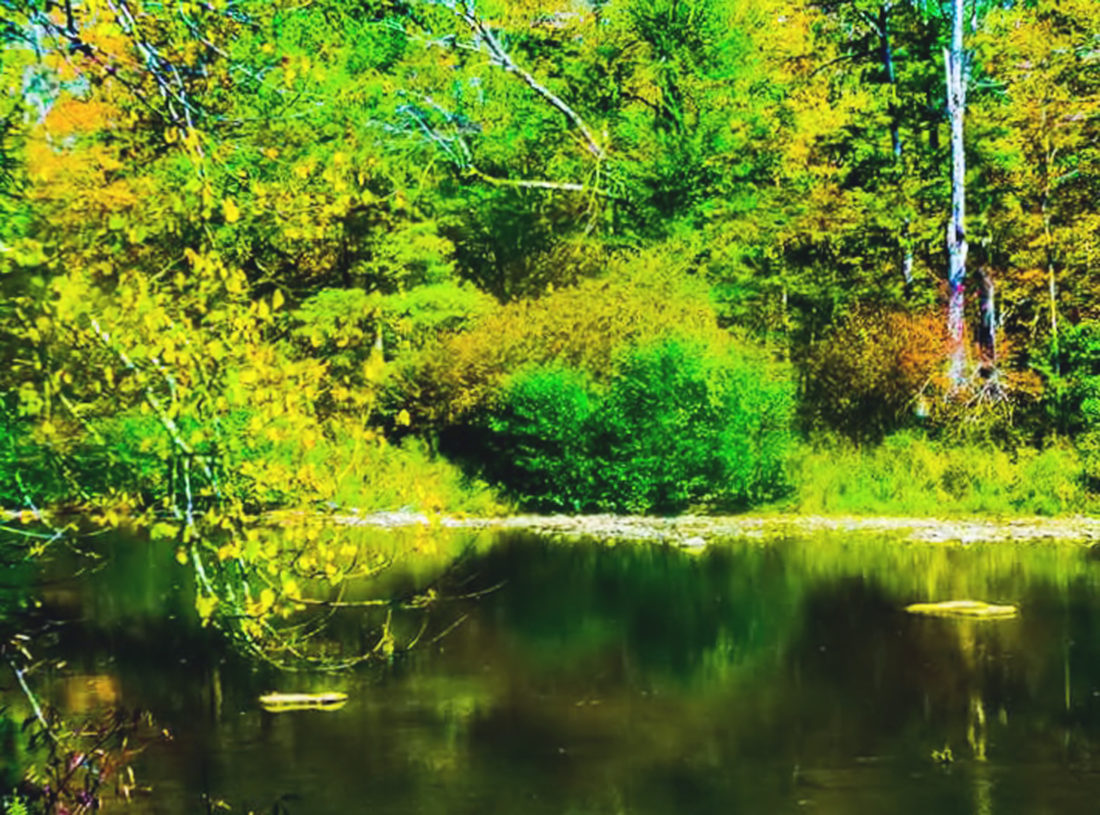
Shown is Tionesta Creek. Photo by Sandy Robison
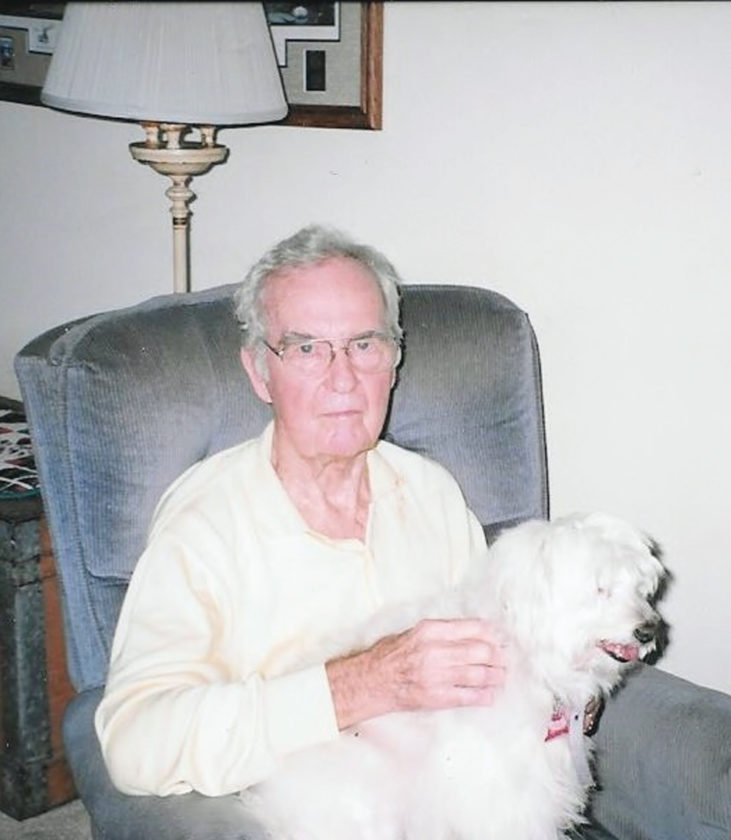
Pictured is my dad in late life, Crystal River, Fla. Photo by Sandy Robison
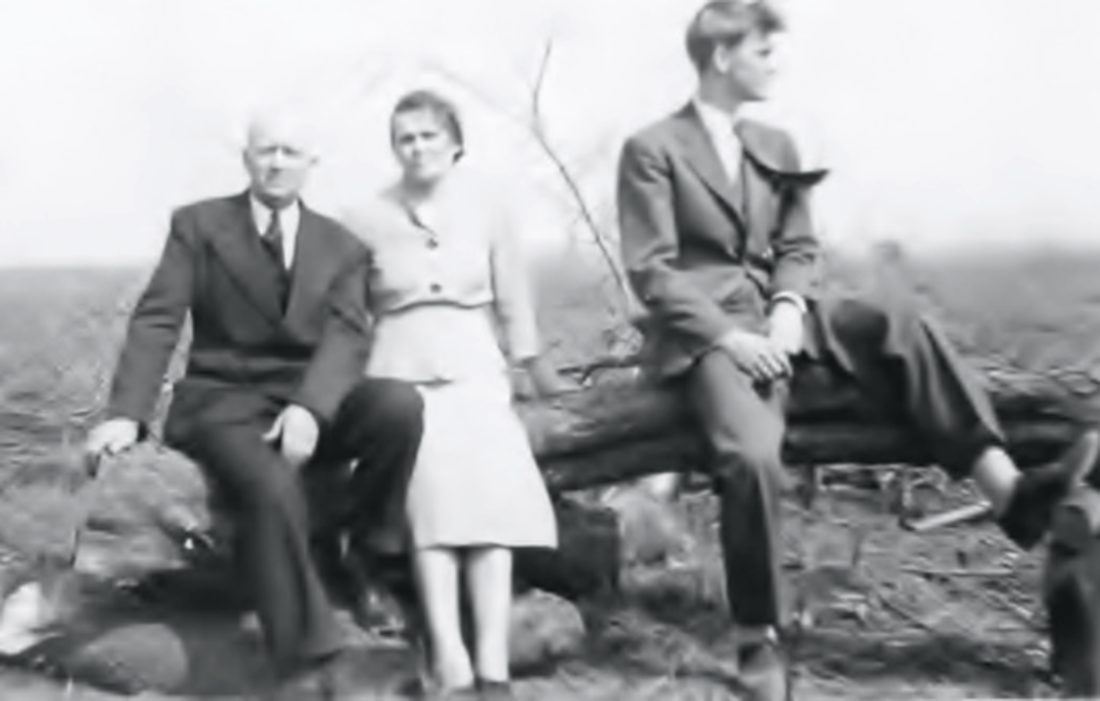
Ben and Martha Johnson, my grandparents, with our dad Raymond. Circa 1940. Sunday drive with a stop at the old farm in North Harmony. Photo from family archives
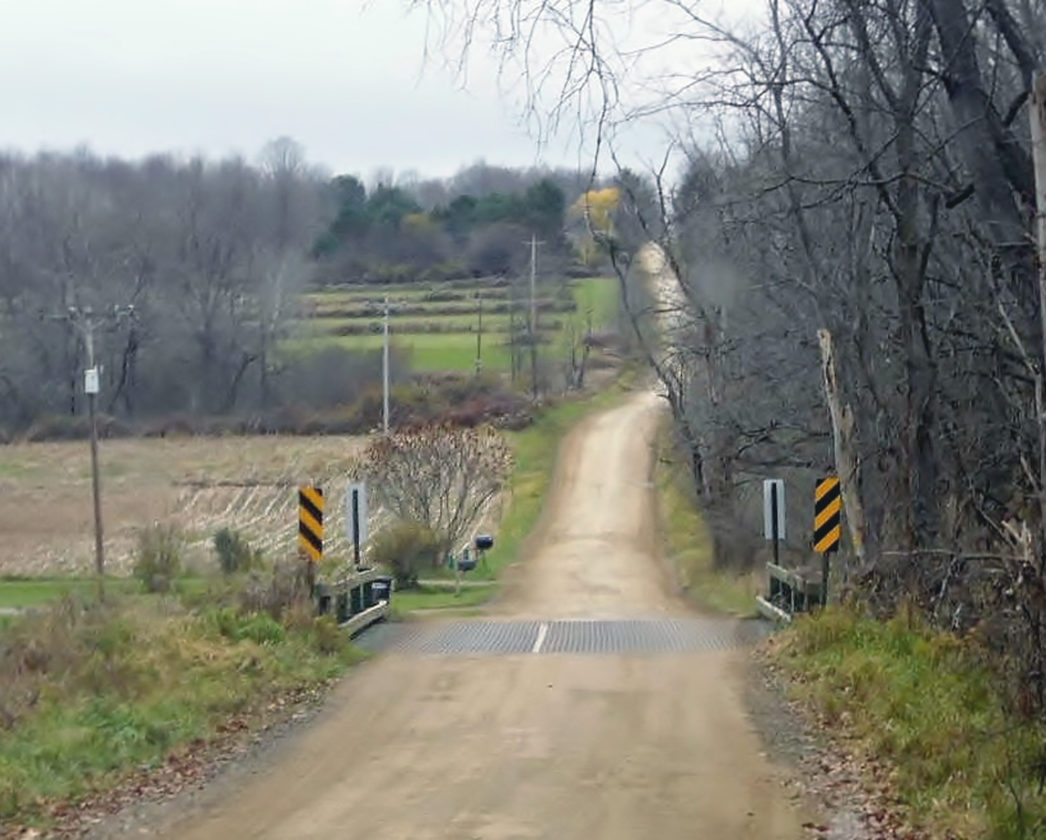
Rural road on NY/PA border near Lander, just the kind of place dad would have loved. He would have made up a story about it on the spot and told it to us as we drove along. Photo by Sandy Robison
Shown is Tionesta Creek. Photo by Sandy Robison
Pictured is my dad in late life, Crystal River, Fla. Photo by Sandy Robison
Ben and Martha Johnson, my grandparents, with our dad Raymond. Circa 1940. Sunday drive with a stop at the old farm in North Harmony. Photo from family archives
Rural road on NY/PA border near Lander, just the kind of place dad would have loved. He would have made up a story about it on the spot and told it to us as we drove along. Photo by Sandy Robison
Trending
My father came from tough immigrant Scandinavian stock, no nonsense people, salt of the earth. Though he was the apple of his Finnish mother's eye and the darling of his sisters all their lives, he was not like them. He was always looking beyond. He was ever searching. There was something fey about my father Raymond. He believed in work, yes, as he had been taught, but for him it would become white collar professional work, and in the end, it would take him far from his loved ones at home in place and in spirit. My father imbued in us, his daughters, a sense of the world as magical or rather, should I say, enchanted? He gave us love of words and story. He left us an inner narrator who is ever whispering in our ear.
On a hot summer day, often throughout my youth, my father might round us up and drive us down to a spot on Stillwater Creek off South Main Street Extension. We would park by a bridge and clamber down a steep hillside to the cool pool of water below. The swimmable part was small--maybe a few yards at most of deep cold stream. Then, wet and laughing, we would wend our way down the riverbed, turning over flat shale stones, looking for crabs. We didn't pick them up or collect them though. It was fun just to find them.
My father liked such places and lost himself in them, becoming a child again for a while, not even talking much. The sun tanned us. The wind dried us. The river cooled us.
Dad liked to find creeks and streams, lone waterways meandering through woodlands and fields, on many a country road in Chautauqua County. There was French Creek, the Brokenstraw, the swampy wetlands of Niobe, haunted by birdsong and strange vistas. Each had its story to tell. He liked to drive along the "mighty Conewango" which was "not really a stream but a river of power, rumbling down towards Warren, down to the Allegheny," as he put it. When I was small, the Kinzua Dam had not yet been built. The Allegheny River drives were spectacular-- hours of following winding roads, stopping the car here and there to take in the view. Dad had his Indian stories to tell, some he made up on the spot, taking great care to pace his narration. He heard a metronome in prose: "There was once an Indian maiden named Drifting River, so fair, all the warriors asked for her hand in marriage, but she was in love with only one boy, her great love Falling Rock," he might begin. As his story progressed, we knew where it was headed. Sometimes he repeated the same stories. We listened, enchanted, even then. He would end with a flourish, pointing out a rocky cliff overhanging the river or a sign on the roadside: Look Out for Falling Rock! He would lower his voice and say, "And that is why that spot, that very spot, is called Falling Rock to this day, named after the young warrior who was true to his great love Drifting River."
We would smile and nod, complicit in our hoodwinking, and we would stare at the spot or the sign agape, as if it all were true. My father knew how to weave language into a spell.
No wonder he loved the poet Robert Frost. Dad recalled obscure poems and lines from well-known and often misinterpreted poems. But he understood them. He got the sardonic tone and saw the tricks of light. In "Mending Wall," for instance, the poet's voice mocks his Neanderthal neighbor who "will not go behind his father's saying" (or think for himself) but just repeats what he was told that "good fences make good neighbors." The speaker, however, adds-- if in a dramatic aside to readers--
if he were to build a wall, he would be more careful about "What I was walling in or walling out, / And to whom I was like to give offence."
Offence. It's wordplay. It's delightful, and it's critique. It's discourse with Nature and about the frailty of man. It's light and darkness. It's subtlety and sensibility. He was one acquainted with the night, Frost wrote, and my father might have said the same of himself.
"Something there is that doesn't love a wall," my father would murmur, eyes shining. "I could say elves to him..." The speaker in the poem knows "saying elves" to his neighbor, even making a joke about the fallen boulders, would fall on deaf ears. The line says so much about the differences in how people perceive the world. Some see the world in black in white. My father saw it in elves and technicolor. He heard the elves in it. He found its rhythms. It made language rich and meaningful for him and thus for us.
Dad was no scholar and had only a high school education plus a few college classes he took after WWII on the G.I. Bill at the community college. He must have read Frost in high school and, loving language as he did, simply memorized parts of poems that touched him. He did not approach the poems of the one poet he knew well like a scholar or teacher but as a brother of language. More than that, my father was like Frost, a dual personality, at once a philandering extrovert, shaking hands and grinning, talking up a storm with people. But there was another side altogether, a mystical side that saw wonder others missed, a man given to walking through autumn fields after the last hay cutting, when the corn stalks still stood tall and brown and crackling, and the leaves of October were just beginning to turn gold and fall to ground. He would grab wild apples from a crabapple tree on the six acres by the old Fluvanna Cemetery and hand one to me. Those apples were bitter and hard as golf balls, but I would always oblige him by taking at least one bite. He was as delighted by crabapples in a wild field as he was much later on with his professional and worldly success. At such a moment, holding an apple, his face would light up with delight. It said to us, this is the day at hand. Find the magic in it.
Like Robert Frost, dad was drawn to abandoned places, lonely places. He saw Nature's magic and often straddled the line between the real and the fanciful. On the old forest trail now reclaimed by the field and trees in Fluvanna, an old Indian trail, a boulder fence built long ago fascinated him. It called up Frost's wall poem, and dad would murmur, "...The gaps I mean, / No one has seen them made or heard them made, / But at spring mending-time we find them there. / We have to use a spell to make them balance: / Stay where you are until our backs are turned!" My father would laugh aloud after leaning in with a grin to say the last line, modulated, paced, language music.
"I could say elves to him." In lines like that, Frost writes of elves and odd happenings in the farm fields and on lonely stretches of highway. My father had stories like that too. There was a deep melancholy about my Swedish/Finnish father, within the jovial narrator, one likely to pause and stare into a piece of ice and see some kind of inner haunting as Frost does in the poem "After Apple Picking:"
"The scent of apples: I am drowsing off. / I cannot rub the strangeness from my sight / I got from looking through a pane of glass / I skimmed this morning from the drinking trough." And a bit further down in the poem: "...For I have had too much / Of apple picking: I am overtired / Of the great harvest I myself desired."
And so this fall as I turn older, older, I am thinking of my father and his gifts. If I walk the lonely trail at Fluvanna and find a stone upturned, where no one else has passed in decades, "I could say elves to him." We would both have smiled and narrowed our eyes, for it's half true. My father gave us an enchanted world. I have the gift of perpetual amazement.
On this birthday I find like Frost I too "...am overtired / of the great harvest I myself desired." I too am done with apple picking now. But I recall the step of the ladder during all the years of apple harvesting, the duty of work and labor, the years of a daily job which took all of one's life breath. Nonetheless, I still see an enchanted world in landscape, particularly in waterways and the great fields and rolling hills of western New York State, which resonate within me like an old mother, calling her child home. I live in two worlds, past and present, real and imagined. I love these glistening autumn days, the apples in the chilled air. When I walk the fields now with my dog Rose, I think of elves, and I smile at boulders fallen from an old wall. The water rushing is a symphony. The sky is an opera of dark and light. I hear the magic in the words, woods, water, and memory.